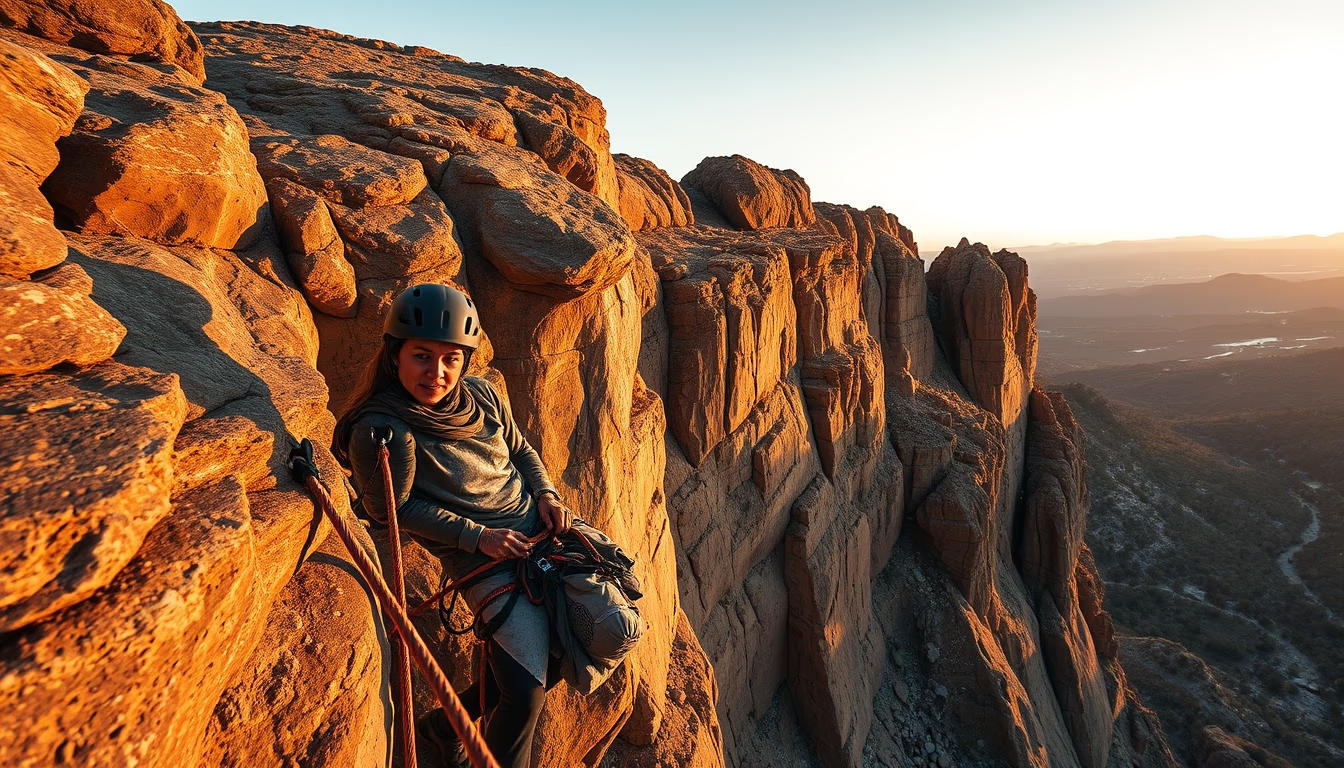
Rappel rope cliff
1344×768 · AVIF · CC BY 4.0
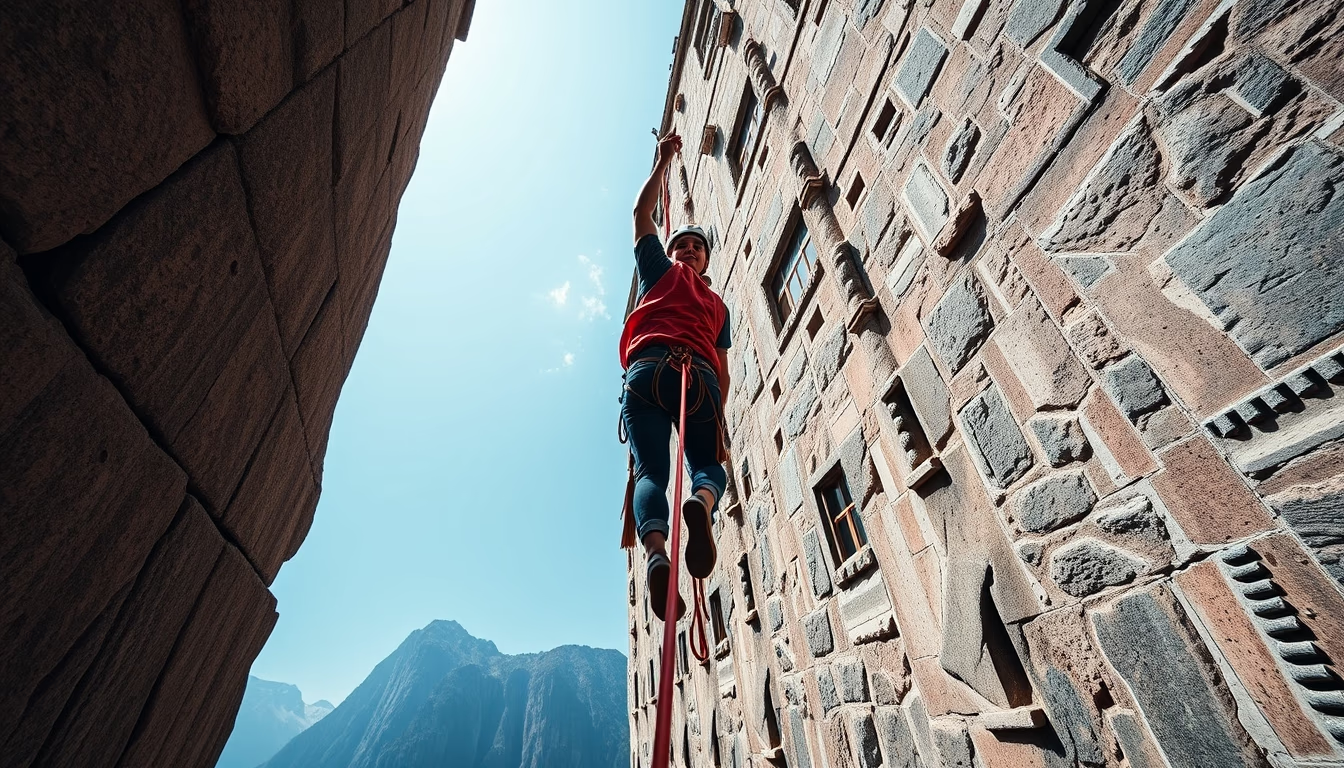
Rappelling on cliffs requires dynamic ropes and specific techniques for safety on steep terrain.
About this subject
Rappelling is a controlled descent technique using ropes, widely applied in mountaineering, canyoning, and rescue operations. On cliffs, rope selection is critical: dynamic ropes, with elasticity between 6% and 8%, absorb impacts and reduce force on anchors. Common diameters range from 9 mm to 11 mm, with typical breaking strength above 20 kN. Static ropes, used in rescue, have less than 5% elongation but are not recommended for vertical rappelling as they fail to absorb falls.
Cliff geology impacts technique. Granite cliffs, with abrasive surfaces, require extra rope protection like sleeves or bags. Limestone cliffs may have sharp edges that damage the rope. Descenders such as the figure-eight or Petzl Grigri control speed. Additional friction devices, like a prusik knot, are essential for safety if control is lost.
In Brazil, the practice grows at destinations like Pedra do Baú (SP) and Serra do Cipó (MG), with courses requiring certification from bodies like ABETA. Trends for 2026 indicate a rise in adventure tourism and innovations in equipment, such as ropes with low dynamic elongation technology. Rope maintenance involves washing with cold water, drying in the shade, and inspecting for wear after frequent use.
Safety also depends on understanding the environment: strong winds, falling rocks, and sun exposure degrade materials. Therefore, pre-inspection of anchors and using UIAA-certified equipment are essential practices. In rescue scenarios, rappelling enables quick access to difficult terrain, such as search operations in mountains.
Frequently Asked Questions
What is the difference between dynamic and static ropes for rappelling?
Dynamic ropes have 6-8% elasticity to absorb fall impacts, ideal for vertical rappelling. Static ropes have less than 5% elongation, used in rescue, but do not absorb falls, making them less safe for descents.
How to choose the ideal rope diameter for cliff rappelling?
Common diameters range from 9 mm to 11 mm. Thinner ropes (9 mm) are lightweight for advanced techniques but wear faster. Thicker ropes (11 mm) offer greater durability and abrasion resistance.
What are the main risks in cliff rappelling?
Risks include falling rocks, sharp edges that damage the rope, anchor failure, loss of descent control, and UV degradation of equipment. Using certified gear and pre-inspection minimize these dangers.
Direct URL
https://pub-c7d6a6ea828543ac903a74a341ccb2e1.r2.dev/imagens/rappel-rope-cliff-architectural-photography-p2.avifHow to credit
Include a visible link back to UtilizAí. Copy one of the snippets below:
<a href="https://xn--utiliza-eza.com/en/midia/imagens/rappel-rope-cliff-architectural-photography-p2">Rappel rope cliff</a> by <a href="https://xn--utiliza-eza.com">UtilizAí</a>, licensed under <a href="https://creativecommons.org/licenses/by/4.0/">CC BY 4.0</a>.
[Rappel rope cliff](https://xn--utiliza-eza.com/en/midia/imagens/rappel-rope-cliff-architectural-photography-p2) by [UtilizAí](https://xn--utiliza-eza.com), CC BY 4.0
License: CC-BY-4.0