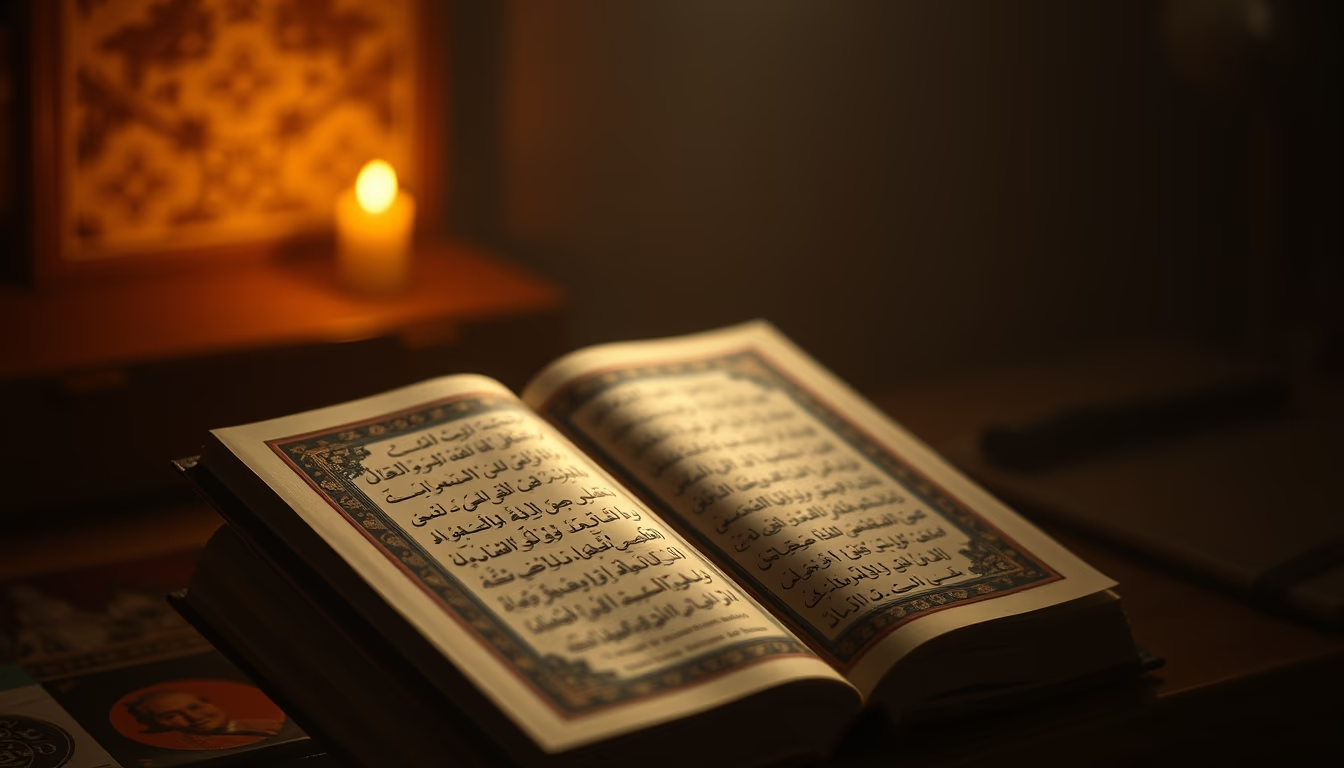
Quran illuminated golden
1344×768 · AVIF · CC BY 4.0
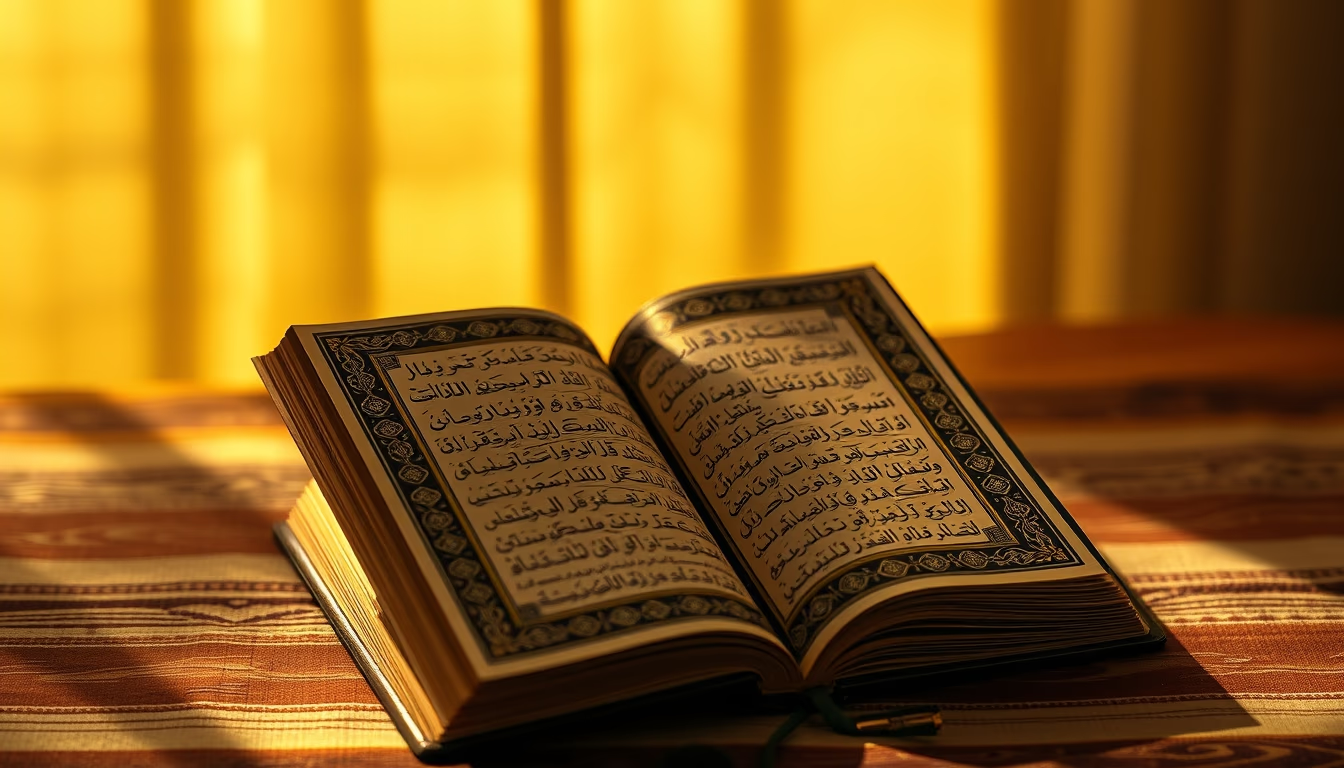
The illuminated golden Quran represents the fusion of Islamic calligraphy with decorative art, symbolizing the sacredness of the divine text.
About this subject
The Quran is the holy book of Islam, revealed to the Prophet Muhammad over 23 years. Comprising 114 surahs (chapters), it is considered the literal word of God (Allah) in Arabic. The tradition of illuminating Quranic manuscripts, known as tazhib, flourished especially between the 8th and 16th centuries in regions such as Persia, Turkey, and Mughal India. The use of gold leaf was not merely decorative: it reflected light to enhance the beauty of calligraphy, regarded as the highest art form in the Islamic world. Gold also symbolized the purity and eternity of the sacred text.
Golden illumination emerged in a context where producing handwritten Qurans was an act of devotion and patronage. Caliphs, sultans, and nobles commissioned lavish copies to demonstrate faith and power. Artists specialized in tazhib used natural pigments, such as lapis lazuli for blue and gold dust or leaf, creating geometric patterns and arabesques. Each page was a masterpiece, with ornamented margins and decorated headings marking the start of surahs. Calligraphy, often in naskh or thuluth script, was executed by masters who spent years perfecting the technique.
Historically, some of the most famous illuminated golden Qurans include the Blue Quran from the 9th century, written on indigo-dyed parchment with gold letters, and the Mamluk Quran from Egypt, featuring geometric and floral illuminations. These works are not only religious texts but also cultural artifacts that testify to the exchange of techniques among Islamic and neighboring civilizations. Today, rare pieces are housed in museums such as the Metropolitan Museum of Art in New York and the Museum of Islamic Art in Cairo, where they are studied by art and religion historians.
Despite the modernization of mass printing, the tradition of hand-illuminated Qurans is still preserved by contemporary calligraphers. Gold continues to be used as a symbol of reverence and artistic excellence. For Muslims, the visual beauty of the text enhances the spiritual experience of reading, reinforcing the belief that the Quran is perfect in form and content.
Frequently Asked Questions
Why is gold used in Quran illumination?
Gold symbolizes purity, eternity, and the sacredness of the divine text. Its light-reflecting property enhances calligraphy, making reading a visually spiritual experience.
What is Islamic illumination (tazhib)?
Tazhib is the art of decorating manuscripts with gold, pigments, and geometric or floral patterns. In the Quran, it beautifies margins, headings, and dividers, without depicting human or divine figures, following Islamic aniconism.
What is the importance of calligraphy in the Quran?
Calligraphy is the primary Islamic art form because the Quran is the word of God in Arabic. Writing the text with beauty and precision is considered an act of devotion. Styles like naskh and thuluth were developed for readability and elegance.
Direct URL
https://pub-c7d6a6ea828543ac903a74a341ccb2e1.r2.dev/imagens/quran-illuminated-golden-magazine-editorial-fresh12.avifHow to credit
Include a visible link back to UtilizAí. Copy one of the snippets below:
<a href="https://xn--utiliza-eza.com/en/midia/imagens/quran-illuminated-golden-magazine-editorial-fresh12">Quran illuminated golden</a> by <a href="https://xn--utiliza-eza.com">UtilizAí</a>, licensed under <a href="https://creativecommons.org/licenses/by/4.0/">CC BY 4.0</a>.
[Quran illuminated golden](https://xn--utiliza-eza.com/en/midia/imagens/quran-illuminated-golden-magazine-editorial-fresh12) by [UtilizAí](https://xn--utiliza-eza.com), CC BY 4.0
License: CC-BY-4.0