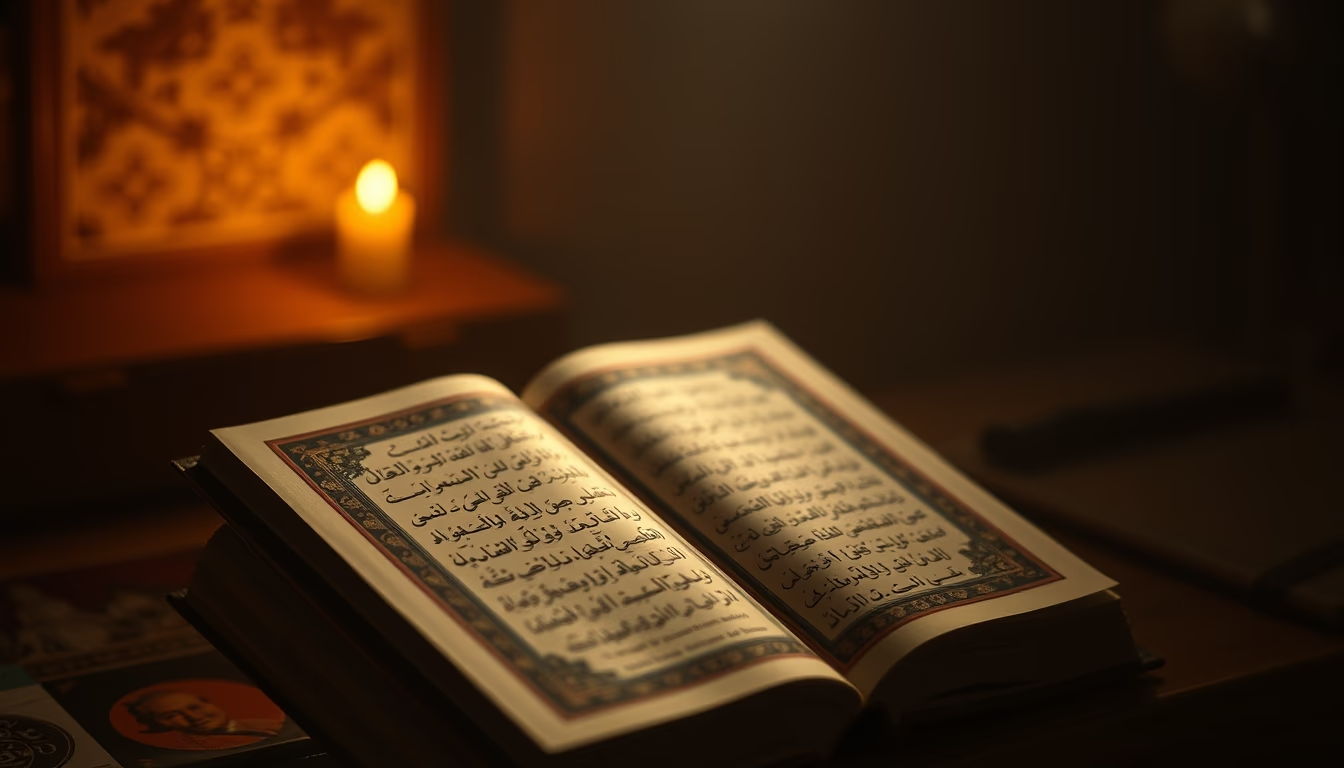
Quran illuminated golden
1344×768 · AVIF · CC BY 4.0
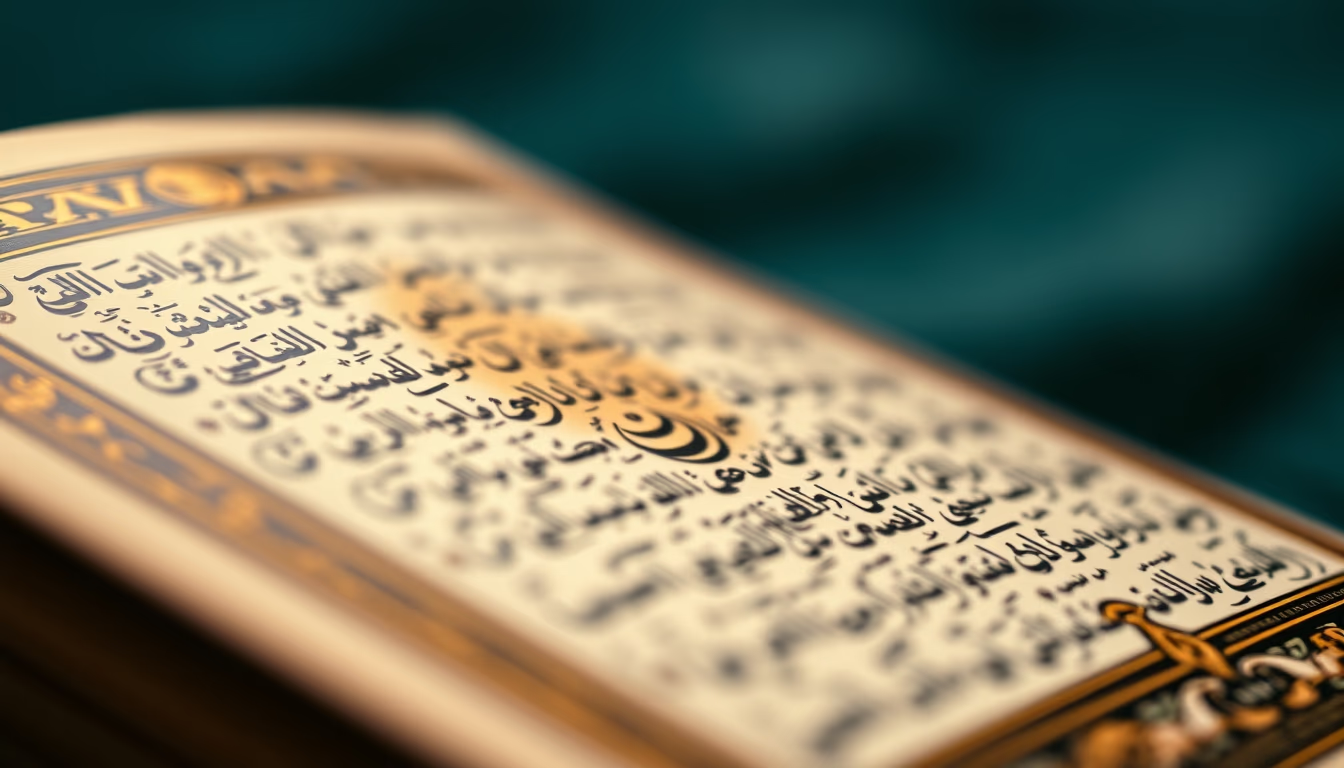
The gold-illuminated Quran represents the fusion of divine word with the highest Islamic artistic expression.
About this subject
The illumination of Qurans, known as tazhib, is an ancient tradition that combines calligraphy with geometric or floral ornamentation. The use of gold, often in extremely thin beaten leaves, symbolizes divine light and the sacredness of the text. This practice flourished in various Islamic periods and regions, such as the Ottoman Empire, Safavid Persia, and Mughal India, each developing distinct styles like Hilye or Muraqqa.
Illuminations not only beautify the pages but also guide reading: chapters (suras) are frequently introduced by golden bands decorated with arabesques, and margins may contain rosettes indicating pauses. Gold, being a noble and unchanging material, reinforces the belief in the perfection of the Quran as God's eternal word. Many manuscripts were commissioned by sultans and nobles as a display of faith and patronage.
Interestingly, the illumination technique is not limited to gold; ultramarine blue, vermilion, and rare plants are also used. The process was artisanal and time-consuming, requiring years of work from calligraphers and illuminators. The oldest known illuminated Quran dates to the 9th century, but the peak occurred between the 13th and 17th centuries. Today, these copies are treasures in libraries and museums, such as the Museum of Turkish and Islamic Arts in Istanbul or the National Library of Cairo.
Frequently Asked Questions
What does the golden illumination in the Quran mean?
The golden illumination, or tazhib, represents divine light and the sacredness of the text. Gold is used for its nobility and unchangeability, reinforcing the belief in the eternal perfection of the Quran.
What are the main styles of Islamic illumination?
Notable styles include Ottoman (dense arabesques and vibrant colors), Safavid (floral motifs and ultramarine blue), and Mughal (influenced by Persian and Indian art, with meticulous detail).
Where can I see original illuminated Qurans?
In museums such as the Museum of Turkish and Islamic Arts in Istanbul, the National Library of Cairo, and the British Museum in London. Many are also digitized in online libraries.
Direct URL
https://pub-c7d6a6ea828543ac903a74a341ccb2e1.r2.dev/imagens/quran-illuminated-golden-macro-closeup-fresh9.avifHow to credit
Include a visible link back to UtilizAí. Copy one of the snippets below:
<a href="https://xn--utiliza-eza.com/en/midia/imagens/quran-illuminated-golden-macro-closeup-fresh9">Quran illuminated golden</a> by <a href="https://xn--utiliza-eza.com">UtilizAí</a>, licensed under <a href="https://creativecommons.org/licenses/by/4.0/">CC BY 4.0</a>.
[Quran illuminated golden](https://xn--utiliza-eza.com/en/midia/imagens/quran-illuminated-golden-macro-closeup-fresh9) by [UtilizAí](https://xn--utiliza-eza.com), CC BY 4.0
License: CC-BY-4.0