Quran illuminated golden
1344×768 · AVIF · CC BY 4.0
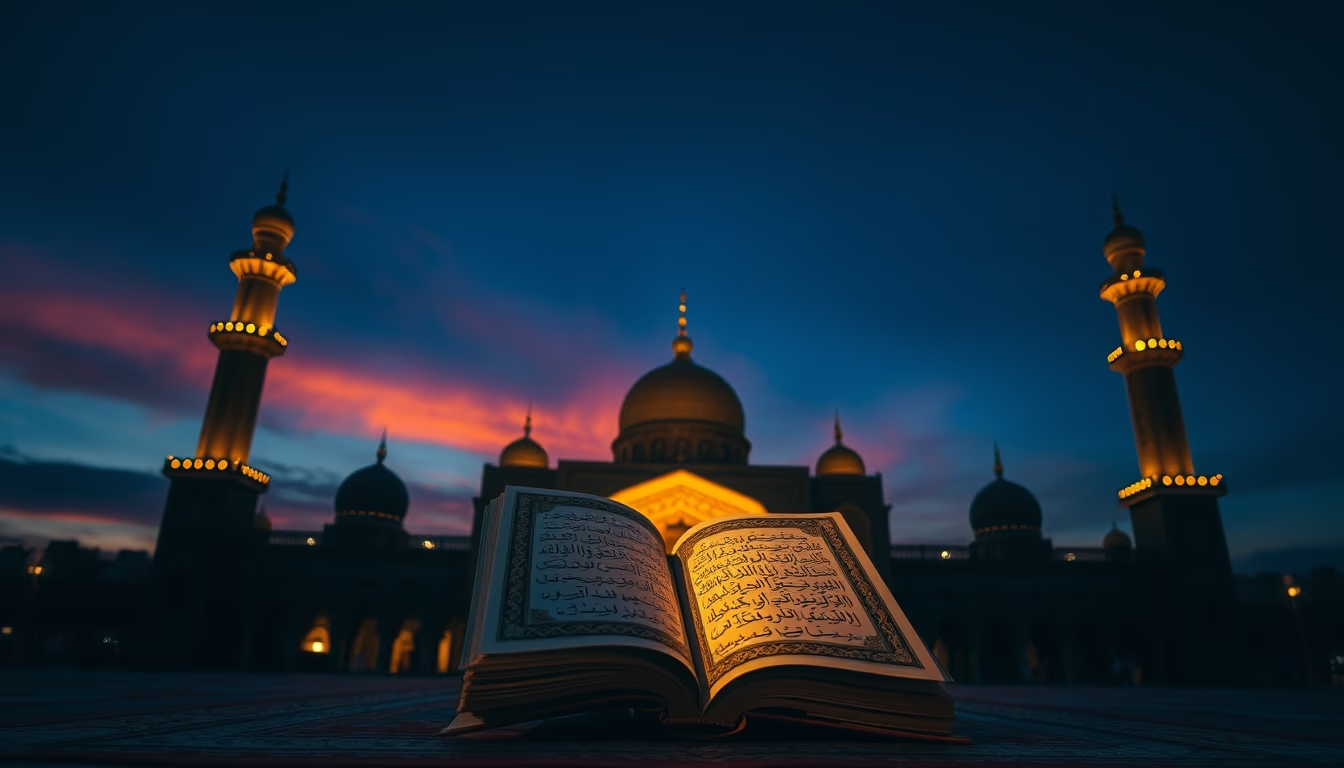
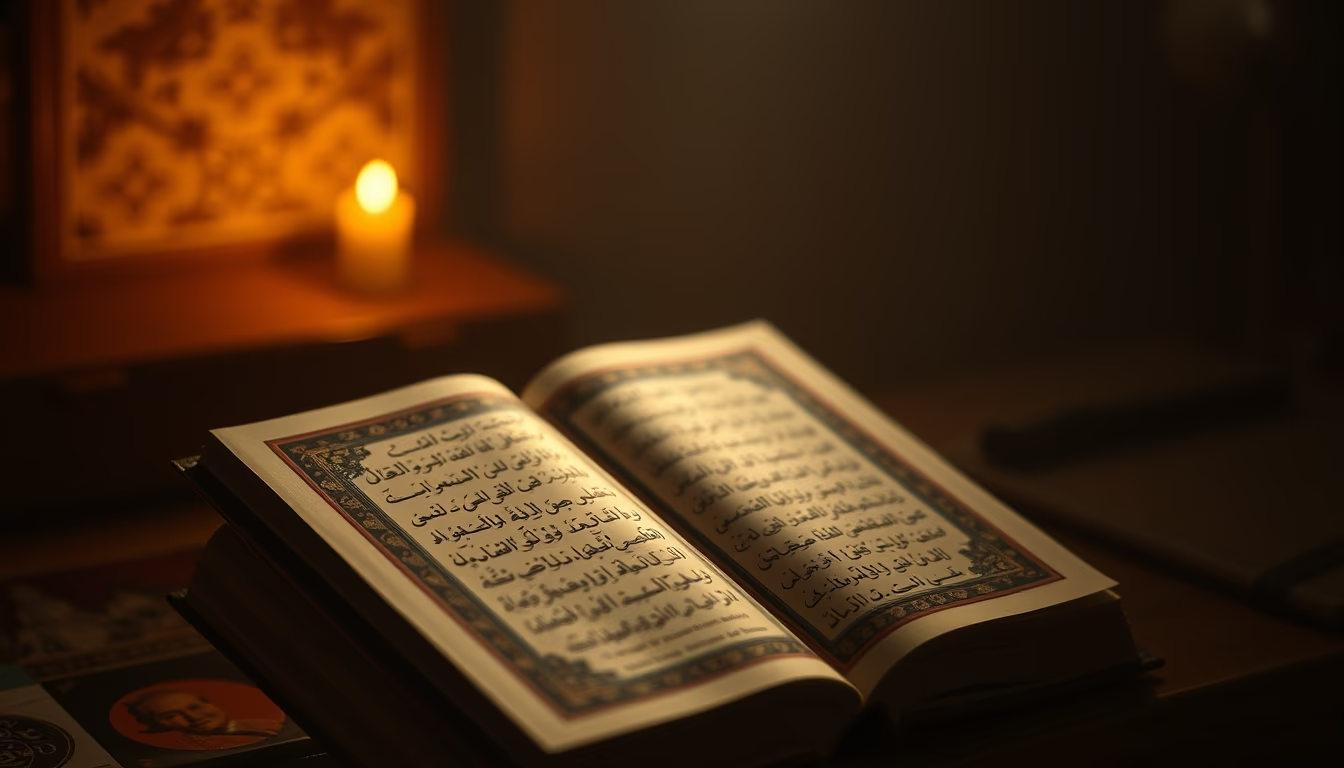
The Quran illuminated with golden details represents a centuries-old tradition of Islamic art, combining calligraphy and ornamentation to exalt the divine word.
About this subject
The illumination of Quran manuscripts, known as tezhip in the Islamic world, is an art form that flourished particularly between the 13th and 19th centuries. Unlike calligraphy, which records the sacred text, illumination uses geometric patterns, arabesques, and gold leaf to frame and emphasize pages. Gold is not merely decorative: it symbolizes divine light and heavenly perfection. Artists applied gold powder or thin leaves over a base of plaster or glue, creating a shimmer that changes with the light.
One of the most famous examples is the Blue Quran, produced in the 9th or 10th century, with indigo-dyed pages and gold lettering, likely originating in North Africa or Islamic Spain. The Topkapi Quran from the 16th century features intricate illuminations with floral and geometric motifs typical of the Ottoman period. The tradition spread across the Islamic world from Persia to India, with regional variations: Persians favored vivid colors and delicate designs, while Mamluks opted for more rigid and symmetrical patterns.
Producing an illuminated Quran demanded months or years of work by calligraphers and illuminators, who followed strict rules of proportion and symmetry. Illuminations were applied to specific chapters, such as the opening (Surah Al-Fatiha) and the start of each juz (part). Today, many such manuscripts are preserved in museums and libraries, including the Library of Congress and the Museum of Islamic Art in Cairo, studied as testimonies to the cultural and technical richness of the Islamic world.
Frequently Asked Questions
What is an illuminated Quran?
It is a Quran manuscript decorated with ornamentation, typically using gold, geometric patterns, and floral motifs, applied to specific pages to enhance the beauty of the sacred text.
What materials were used in the illumination?
Key materials included gold leaf, natural pigments such as lapis lazuli (blue) and cinnabar (red), plus plaster or glue to fix the gold. Brushes were made from squirrel or cat hair.
Where are the most famous illuminated Qurans located?
Notable examples include the Blue Quran (National Museum of Carthage, Tunisia), the Topkapi Quran (Topkapi Palace, Istanbul), and the Baybars Quran (British Museum).
Direct URL
https://pub-c7d6a6ea828543ac903a74a341ccb2e1.r2.dev/imagens/quran-illuminated-golden-long-exposure-fresh0.avifHow to credit
Include a visible link back to UtilizAí. Copy one of the snippets below:
<a href="https://xn--utiliza-eza.com/en/midia/imagens/quran-illuminated-golden-long-exposure-fresh0">Quran illuminated golden</a> by <a href="https://xn--utiliza-eza.com">UtilizAí</a>, licensed under <a href="https://creativecommons.org/licenses/by/4.0/">CC BY 4.0</a>.
[Quran illuminated golden](https://xn--utiliza-eza.com/en/midia/imagens/quran-illuminated-golden-long-exposure-fresh0) by [UtilizAí](https://xn--utiliza-eza.com), CC BY 4.0
License: CC-BY-4.0