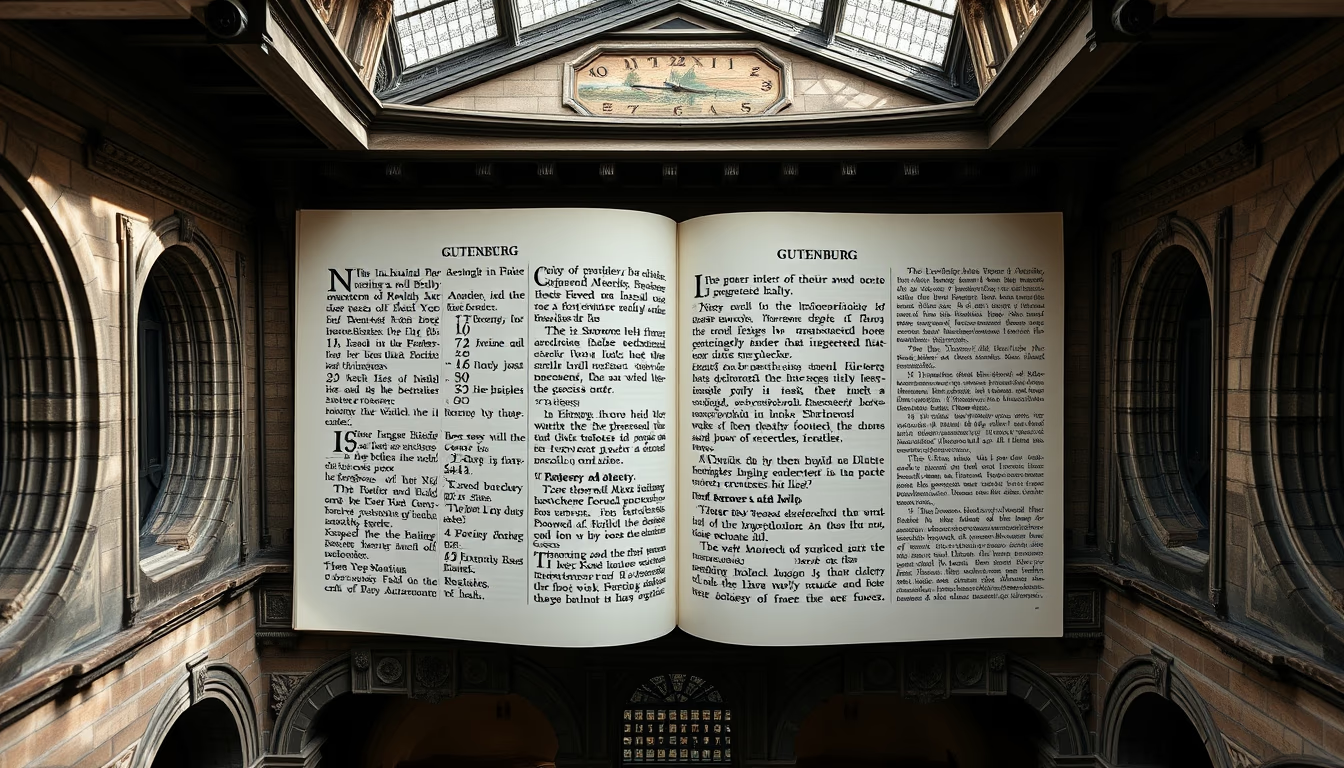
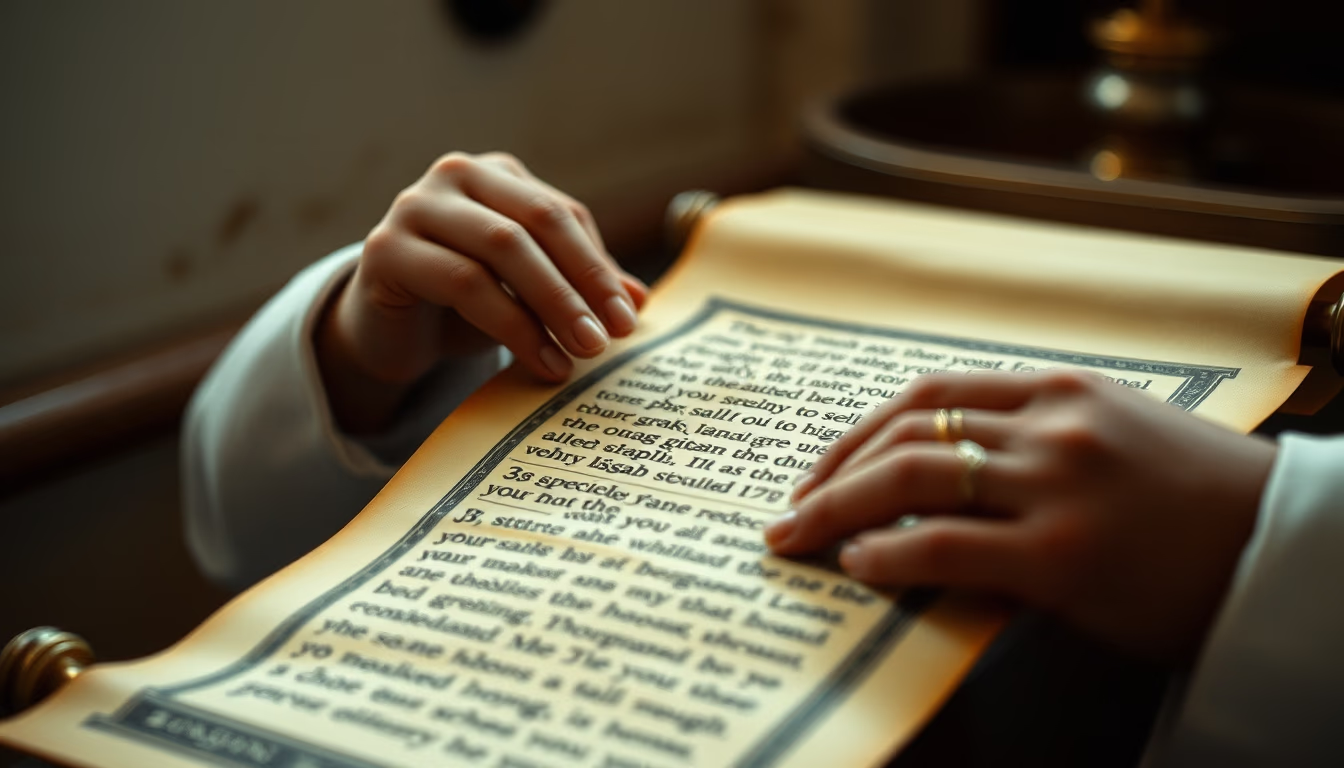
Quran illuminated golden
1344×768 · AVIF · CC BY 4.0
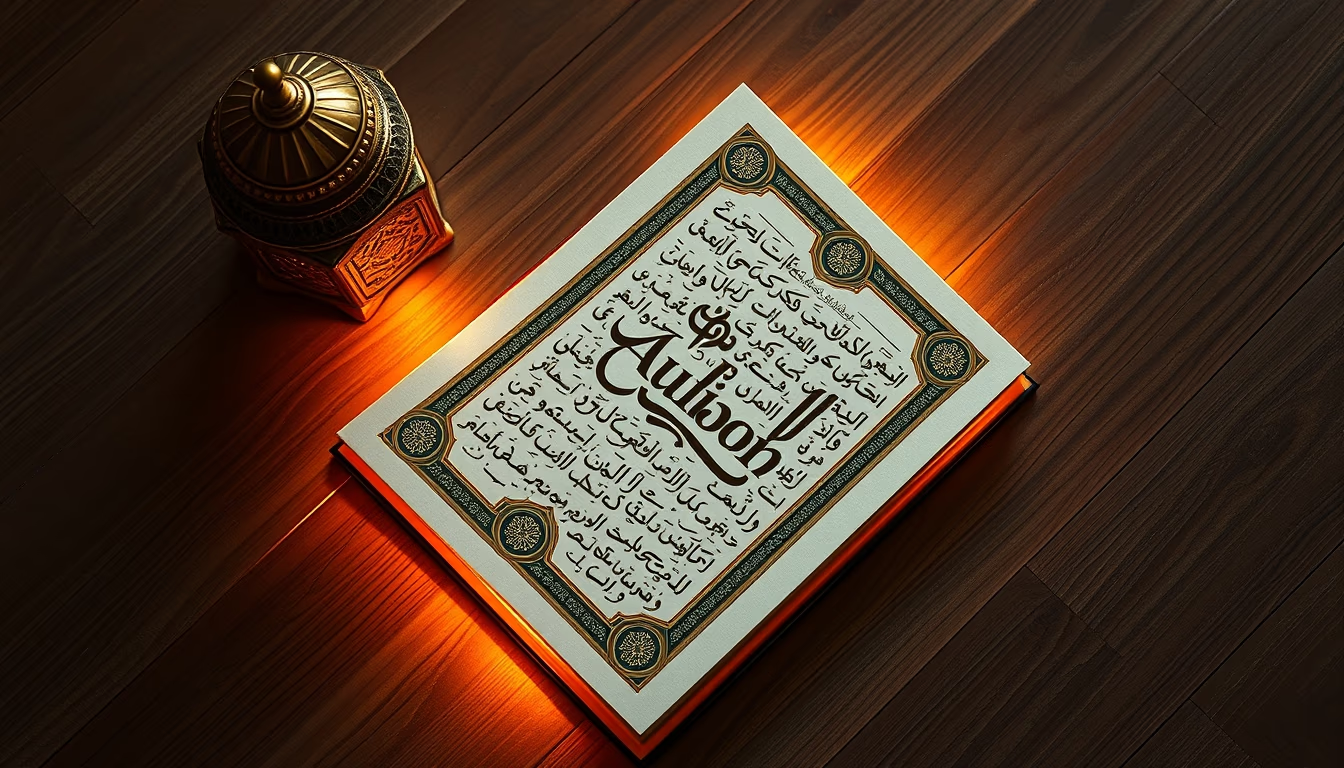
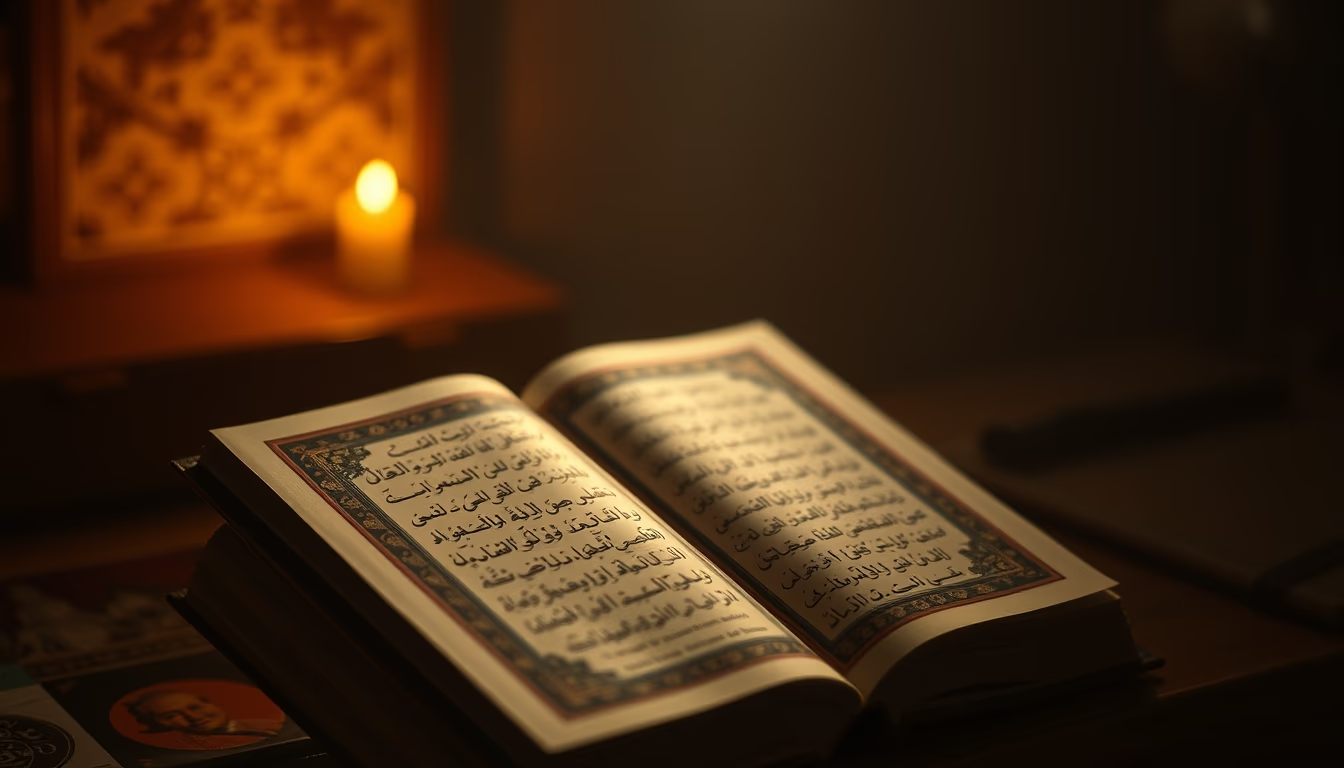
Details of golden illumination in copies of the Quran, exploring the Islamic tradition of gold-decorated manuscripts and their cultural and religious significance.
About this subject
The Quran, the holy book of Islam, is often reproduced in richly decorated manuscripts where gilding (gold illumination) plays a central role. This practice dates back to the early centuries of Islam, when caliphs and rulers sponsored copyists and calligraphers to produce sumptuous copies. Golden illumination not only embellishes the text but also symbolizes divine light and the sacredness of God's word. Techniques such as the use of beaten gold leaf and gold-based pigments were employed in elements like chapter headings, ornamental margins, and vignettes marking the beginning of each surah.
Geographically, centers of illuminated Quran production included cities such as Baghdad, Cairo, Istanbul, and Herat, each with distinct regional styles. In the Mamluk period (13th-16th centuries), for instance, manuscripts featured intricate geometric and floral motifs in gold and blue. In Safavid Persia, nasta'liq calligraphy was combined with miniature paintings and exuberant gilding. These works were commissioned by sultans and nobles, often as donations to mosques or madrasas, enhancing the patron's prestige.
Interestingly, producing illuminated Qurans required a team of artisans: calligraphers, illuminators, bookbinders, and gilders. Gold was applied after meticulous preparation of the paper or parchment surface, often using a base of plaster or glue. Illumination also served functional purposes, such as highlighting important verses or guiding ritual reading. Today, these manuscripts are treasures in libraries and museums worldwide, such as the U.S. Library of Congress and the Museum of Islamic Art in Cairo, studied for their beauty and historical value.
Frequently Asked Questions
What is golden illumination in the Quran?
It is the technique of decorating Quran manuscripts with gold, applied as leaves or pigments, to enhance the text's beauty and symbolize divine light.
In which regions was this tradition strongest?
Centers such as Mamluk Egypt, Safavid Iran, and Ottoman Turkey produced iconic copies, each with distinct ornamental and calligraphic styles.
Why was gold used in these manuscripts?
Beyond aesthetic value and prestige, gold represented sacred light and was considered a noble material worthy of containing God's word.
Direct URL
https://pub-c7d6a6ea828543ac903a74a341ccb2e1.r2.dev/imagens/quran-illuminated-golden-isometric-flat-lay-fresh1.avifHow to credit
Include a visible link back to UtilizAí. Copy one of the snippets below:
<a href="https://xn--utiliza-eza.com/en/midia/imagens/quran-illuminated-golden-isometric-flat-lay-fresh1">Quran illuminated golden</a> by <a href="https://xn--utiliza-eza.com">UtilizAí</a>, licensed under <a href="https://creativecommons.org/licenses/by/4.0/">CC BY 4.0</a>.
[Quran illuminated golden](https://xn--utiliza-eza.com/en/midia/imagens/quran-illuminated-golden-isometric-flat-lay-fresh1) by [UtilizAí](https://xn--utiliza-eza.com), CC BY 4.0
License: CC-BY-4.0