Quran illuminated golden
1344×768 · AVIF · CC BY 4.0
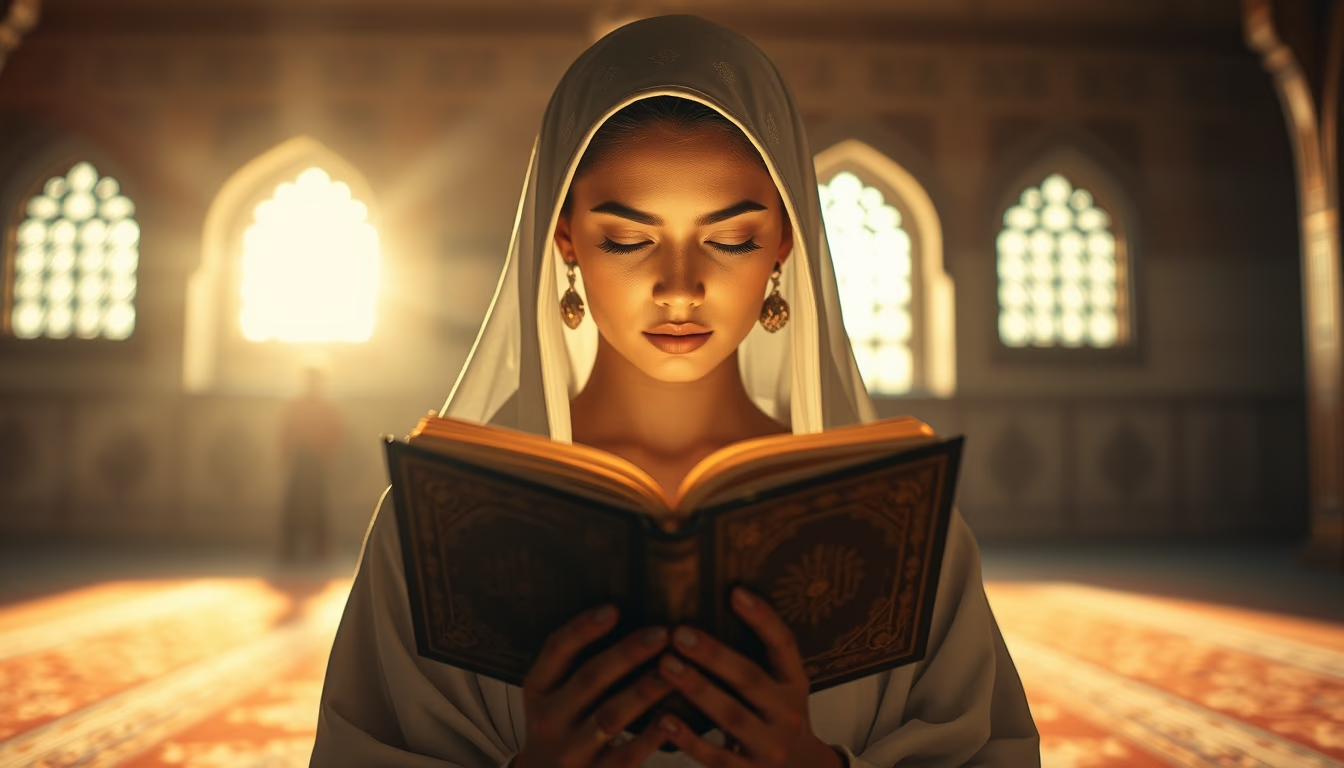
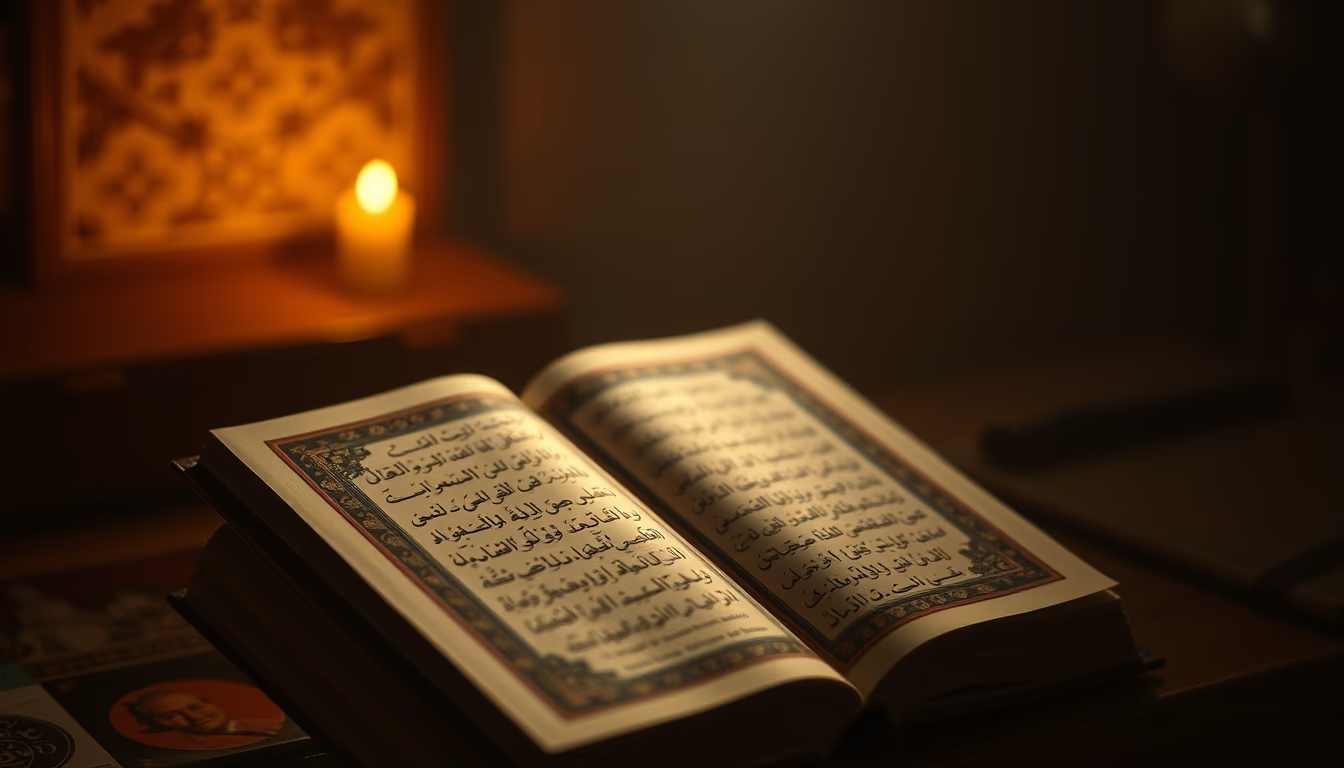
The illuminated Quran with golden details is an Islamic artistic tradition that combines calligraphy and ornamentation to exalt the sacred text.
About this subject
The illumination of Quran manuscripts is a practice dating back to the early centuries of Islam. Artists and calligraphers dedicated themselves to decorating copies of the holy book with geometric patterns, arabesques, and often gold leaf. The use of gold was not merely aesthetic but symbolized divine light and the supreme importance of Allah's words. Each illuminated page was a work of art requiring months or even years of meticulous work, with inks prepared from natural pigments and binders like gum arabic.
Illumination schools varied over time and space, from the Maghrebi style of North Africa to the sophisticated Safavid productions in Persia and Ottoman ones in Turkey. During the Mamluk period (13th-16th centuries), Cairo became a center of excellence, with richly decorated Qurans commissioned by sultans and nobles. Arabic calligraphy, especially thuluth and naskh styles, was integrated into ornamental frames, creating visual harmony between text and decoration.
Interestingly, golden illumination was not limited to full pages: often, the first suras (chapters) received special treatment, and the basmala (the phrase 'In the name of God, the Most Gracious, the Most Merciful') was frequently highlighted with gold. The tradition of illuminating the Quran continues today, with contemporary artisans reviving ancient techniques in countries like Iran, Turkey, and India. These works are valued for both their religious significance and their artistic and historical worth.
Frequently Asked Questions
What does the golden illumination in the Quran mean?
The golden illumination symbolizes divine light and the supreme importance of the sacred text. Gold was used to highlight words and ornaments, reflecting the belief that the Quran is the literal word of God.
What are the most famous styles of Quranic illumination?
Notable styles include the Maghrebi (North Africa), Safavid (Persia), Ottoman (Turkey), and Mamluk (Egypt and Syria). Each has distinct colors, patterns, and calligraphy.
Is Quran illumination still practiced today?
Yes, artisans in countries like Iran, Turkey, and India keep the tradition alive. They use ancient techniques to produce illuminated copies, valued both religiously and artistically.
Direct URL
https://pub-c7d6a6ea828543ac903a74a341ccb2e1.r2.dev/imagens/quran-illuminated-golden-high-fashion-editorial-fresh15.avifHow to credit
Include a visible link back to UtilizAí. Copy one of the snippets below:
<a href="https://xn--utiliza-eza.com/en/midia/imagens/quran-illuminated-golden-high-fashion-editorial-fresh15">Quran illuminated golden</a> by <a href="https://xn--utiliza-eza.com">UtilizAí</a>, licensed under <a href="https://creativecommons.org/licenses/by/4.0/">CC BY 4.0</a>.
[Quran illuminated golden](https://xn--utiliza-eza.com/en/midia/imagens/quran-illuminated-golden-high-fashion-editorial-fresh15) by [UtilizAí](https://xn--utiliza-eza.com), CC BY 4.0
License: CC-BY-4.0