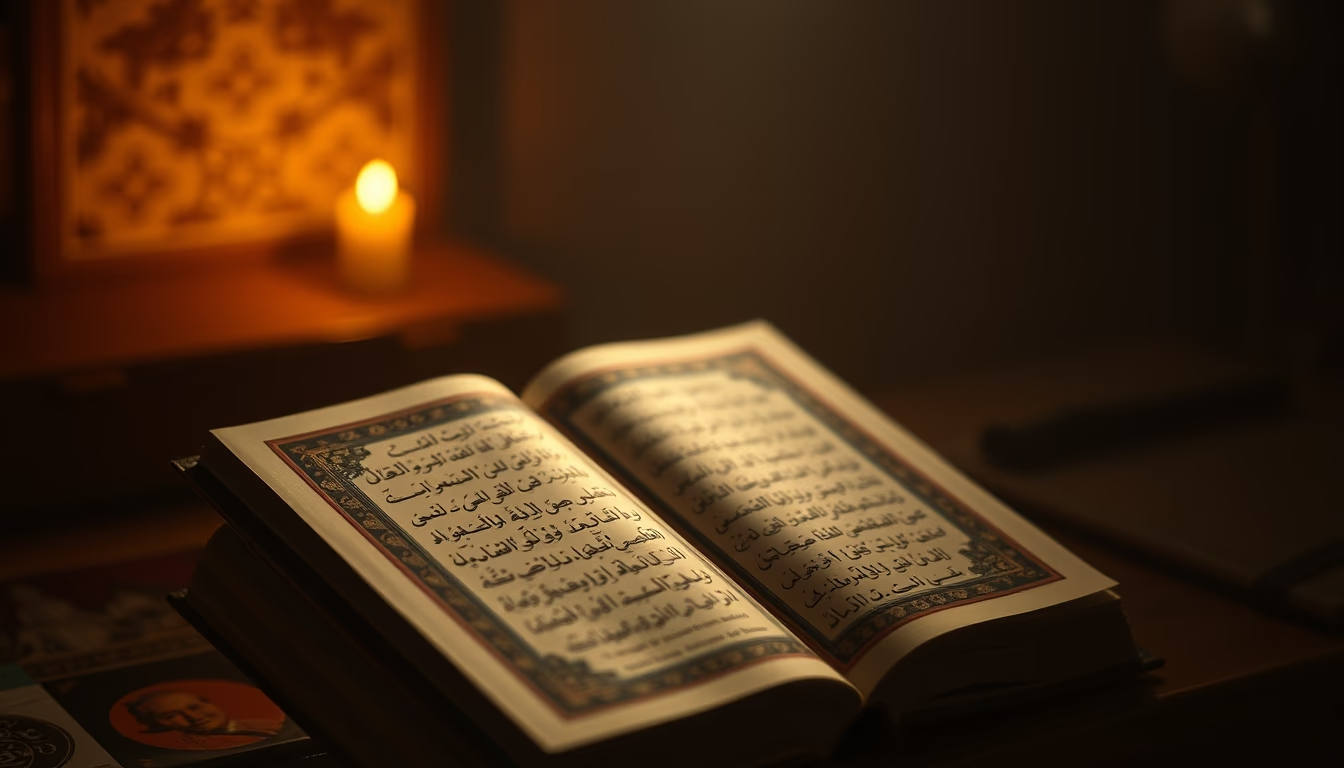
Quran illuminated golden
1344×768 · AVIF · CC BY 4.0
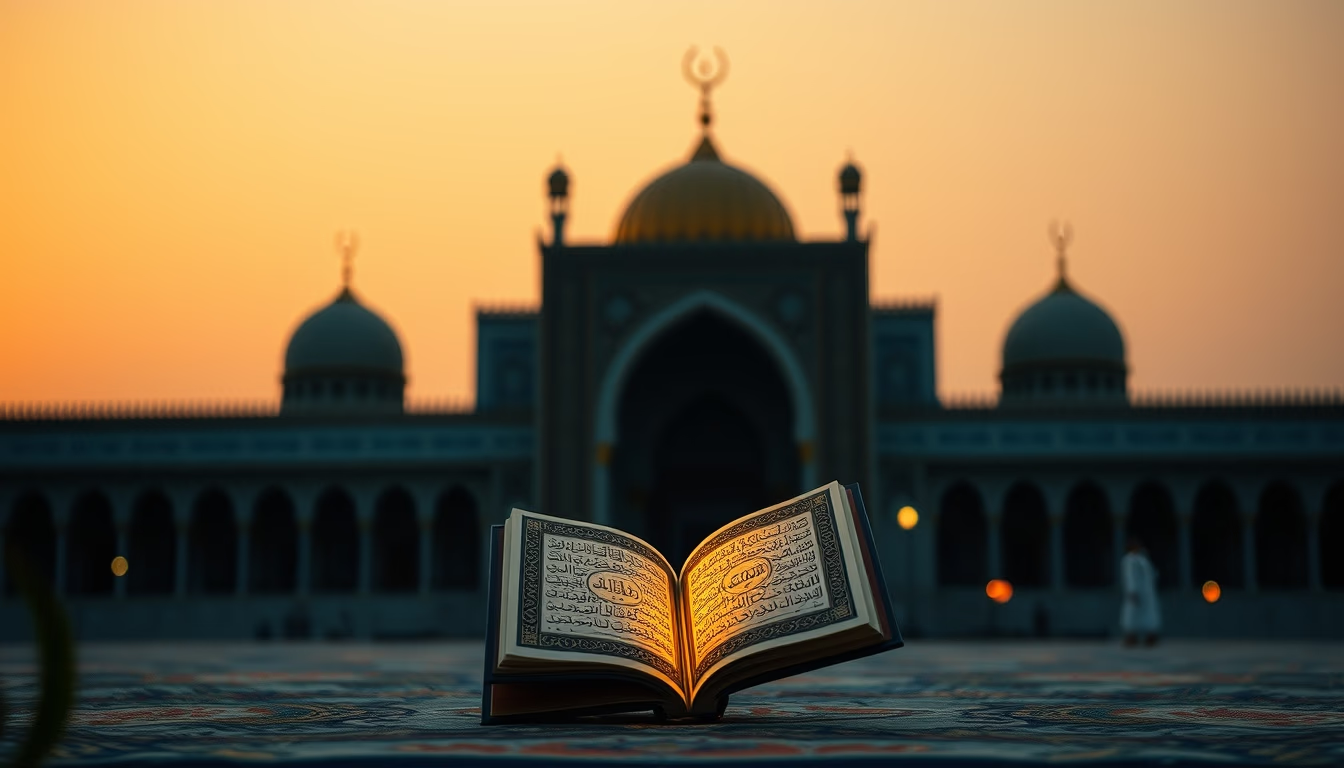
The golden illumination of the Quran represents centuries of Islamic artistic tradition, blending calligraphy and geometric ornamentation.
About this subject
The illuminated Quran with gold is one of the most sublime expressions of Islamic art. Since the 7th century, calligraphers and illuminators developed meticulous techniques to embellish the holy text, using gold leaf, mineral pigments, and plant-based inks. The illumination, known as 'tazhib' in Arabic, often decorates the first surahs, margins, and chapter headings with arabesques, floral motifs, and geometric patterns, symbolizing divine light and the transcendence of the Quran.
Producing an illuminated Quran was a task requiring great skill and patience. Artisans prepared the parchment or paper, applied a base of gypsum and glue to fix the gold, and then carefully polished the surface to achieve intense brilliance. Each manuscript was unique, reflecting regional style and era: the Mamluk period in Egypt, the Safavid Empire in Persia, and the Ottoman rule in Turkey produced distinct examples, with variations in color palette, density of decoration, and calligraphic script.
Historically, these Qurans were not only objects of devotion but also symbols of power and prestige. Sultans, emirs, and rulers commissioned luxurious copies for their mosques, libraries, and personal collections, demonstrating wealth, patronage of the arts, and religious zeal. The golden illumination also had a pedagogical function: the decorations helped the reader navigate the text, highlighting important passages or marking pauses in recitation.
Today, many of these manuscripts are preserved in museums and libraries around the world, such as the Museum of Islamic Art in Cairo, the National Library of France, and the British Museum. They continue to inspire contemporary artists and attract scholars who investigate the techniques, pigments, and iconography employed. Despite the absence of figurative representations of God or prophets, the art of Quranic illumination achieved a high level of abstraction and beauty, recognized as humanity's cultural heritage.
Frequently Asked Questions
What does golden illumination in the Quran signify?
Golden illumination, or tazhib, symbolizes divine light and the beauty of the holy text. It also served to highlight important passages and facilitate reading during recitation.
What materials were used in Quranic illumination?
Illuminators used beaten gold leaf, pigments such as lapis lazuli (blue), cinnabar (red), and malachite (green), along with gum arabic as a binder. Gold was applied over a gypsum base and polished with hard stones.
Are there famous illuminated Qurans?
Yes, notable examples include the Blue Quran (9th century, Kairouan), the Quran of Baybars (14th century, Cairo), and the Quran of Ahmad al-Suhrawardi (14th century, Baghdad). Many are held in museums like the British Museum and the Louvre.
Direct URL
https://pub-c7d6a6ea828543ac903a74a341ccb2e1.r2.dev/imagens/quran-illuminated-golden-documentary-nature-style-fresh14.avifHow to credit
Include a visible link back to UtilizAí. Copy one of the snippets below:
<a href="https://xn--utiliza-eza.com/en/midia/imagens/quran-illuminated-golden-documentary-nature-style-fresh14">Quran illuminated golden</a> by <a href="https://xn--utiliza-eza.com">UtilizAí</a>, licensed under <a href="https://creativecommons.org/licenses/by/4.0/">CC BY 4.0</a>.
[Quran illuminated golden](https://xn--utiliza-eza.com/en/midia/imagens/quran-illuminated-golden-documentary-nature-style-fresh14) by [UtilizAí](https://xn--utiliza-eza.com), CC BY 4.0
License: CC-BY-4.0