Quran illuminated golden
1344×768 · AVIF · CC BY 4.0
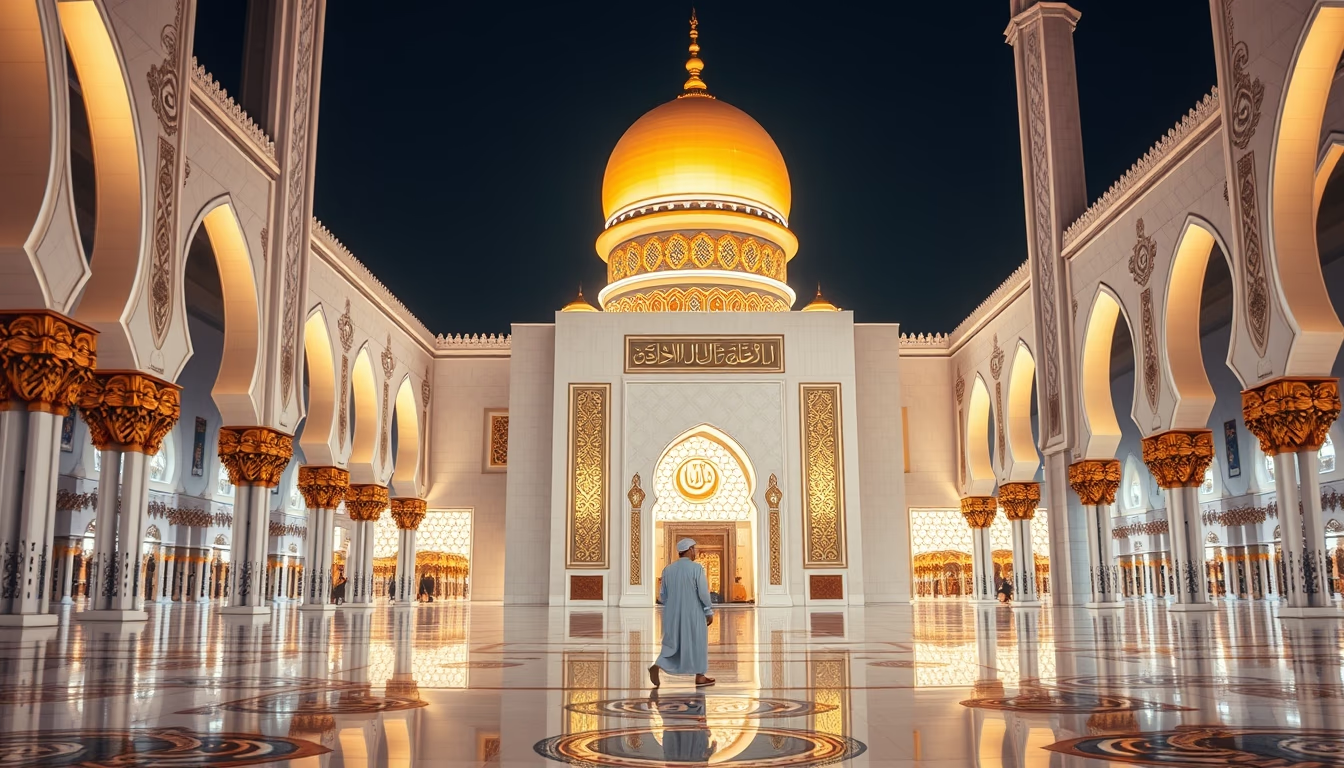
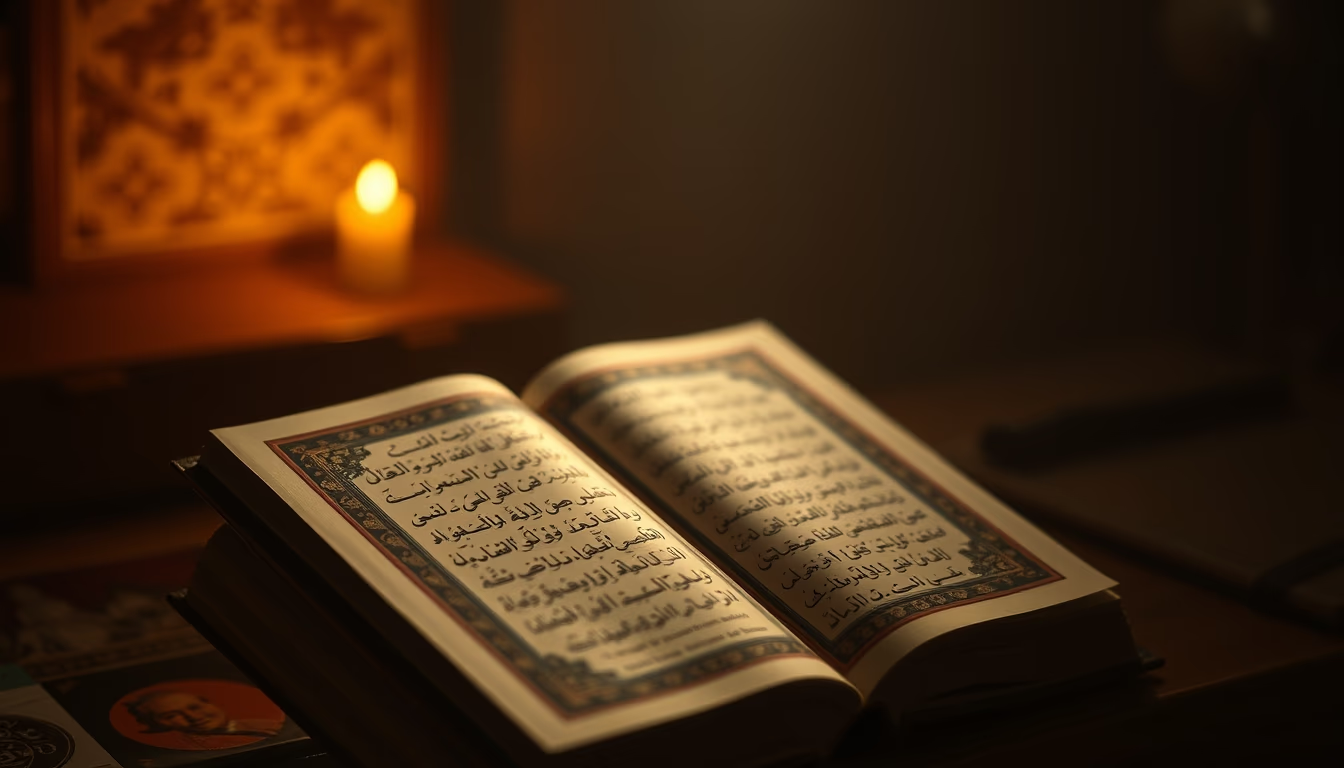
The golden illuminated Quran is one of the most sublime manifestations of Islamic art, combining sacred calligraphy with gold ornamentation.
About this subject
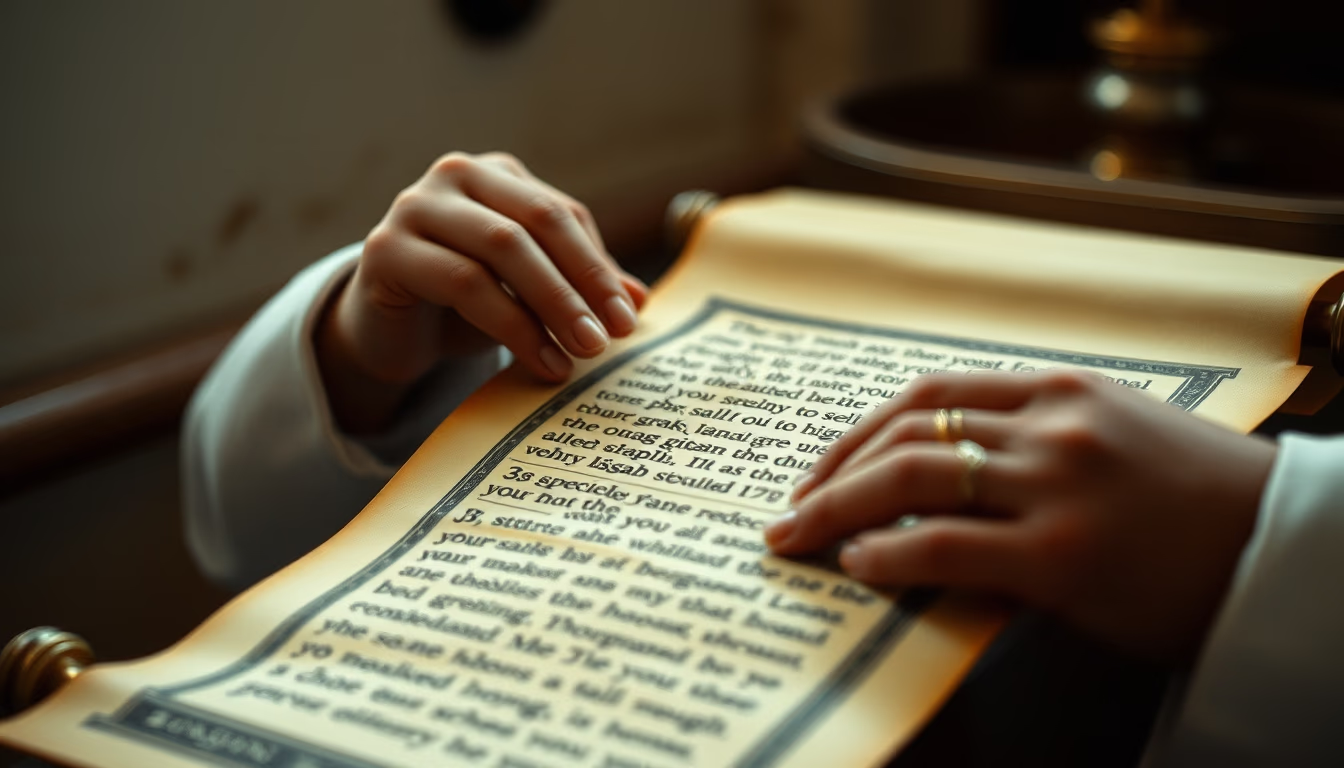
The illumination of Qur'an manuscripts with gold and vibrant colors reached its peak between the 13th and 16th centuries, especially during the Mamluk, Safavid, and Mughal periods. Artists dedicated months to a single page, using gold dust, lapis lazuli, and natural pigments to create frames and arabesques that surround the sacred text. Each illumination was not mere decoration but a form of reverence: the light reflected in gold symbolized the divine light of revelation.
The schools of Herat (modern Afghanistan) and Tabriz (Iran) produced some of the most famous illuminated copies, such as the Bayasanghor Qur'an (15th century). Gilding required gold to be beaten into extremely thin leaves and applied with gum arabic. Geometric and floral patterns, called 'eslimi' and 'hatayi', repeat in perfect symmetry, reflecting the cosmic order of Islam.
Golden illumination also varies by region: in the Maghreb, more austere forms with geometric motifs predominate, while in the Indian subcontinent naturalistic elements flourish. Today, these manuscripts are found in museums such as the Topkapi (Istanbul), the National Library of Cairo, and the Metropolitan Museum of Art. Their preservation is crucial, as many have been damaged by humidity and handling over centuries.
Interestingly, illumination is not limited to the Qur'an: it also appears in collections of poetry and science. However, the tradition of illuminating the sacred text remains alive in countries like Iran, Turkey, and Morocco, where contemporary artisans use centuries-old techniques to produce new copies. The golden illuminated Qur'an thus remains a testament to the intersection of faith, art, and craftsmanship.
Frequently Asked Questions
What is the origin of gold illumination in the Qur'an?
The practice emerged in the Islamic world from the 9th century, inspired by Byzantine and Persian traditions. It became sophisticated during the Mamluk, Safavid, and Mughal periods, peaking between the 13th and 16th centuries.
What is the symbolic meaning of gold in Qur'anic illuminations?
Gold symbolizes divine light (nur) of revelation. It also represents royalty and heavenly perfection, elevating the sacred text to a level of beauty and sanctity.
Where can I see original golden illuminated Qur'ans?
Major collections include the Topkapi Museum in Istanbul, the National Library of Cairo, the Metropolitan Museum of Art in New York, and the British Museum in London.
Direct URL
https://pub-c7d6a6ea828543ac903a74a341ccb2e1.r2.dev/imagens/quran-illuminated-golden-architectural-photography-fresh16.avifHow to credit
Include a visible link back to UtilizAí. Copy one of the snippets below:
<a href="https://xn--utiliza-eza.com/en/midia/imagens/quran-illuminated-golden-architectural-photography-fresh16">Quran illuminated golden</a> by <a href="https://xn--utiliza-eza.com">UtilizAí</a>, licensed under <a href="https://creativecommons.org/licenses/by/4.0/">CC BY 4.0</a>.
[Quran illuminated golden](https://xn--utiliza-eza.com/en/midia/imagens/quran-illuminated-golden-architectural-photography-fresh16) by [UtilizAí](https://xn--utiliza-eza.com), CC BY 4.0
License: CC-BY-4.0