Puppet theater venetian
1344×768 · AVIF · CC BY 4.0
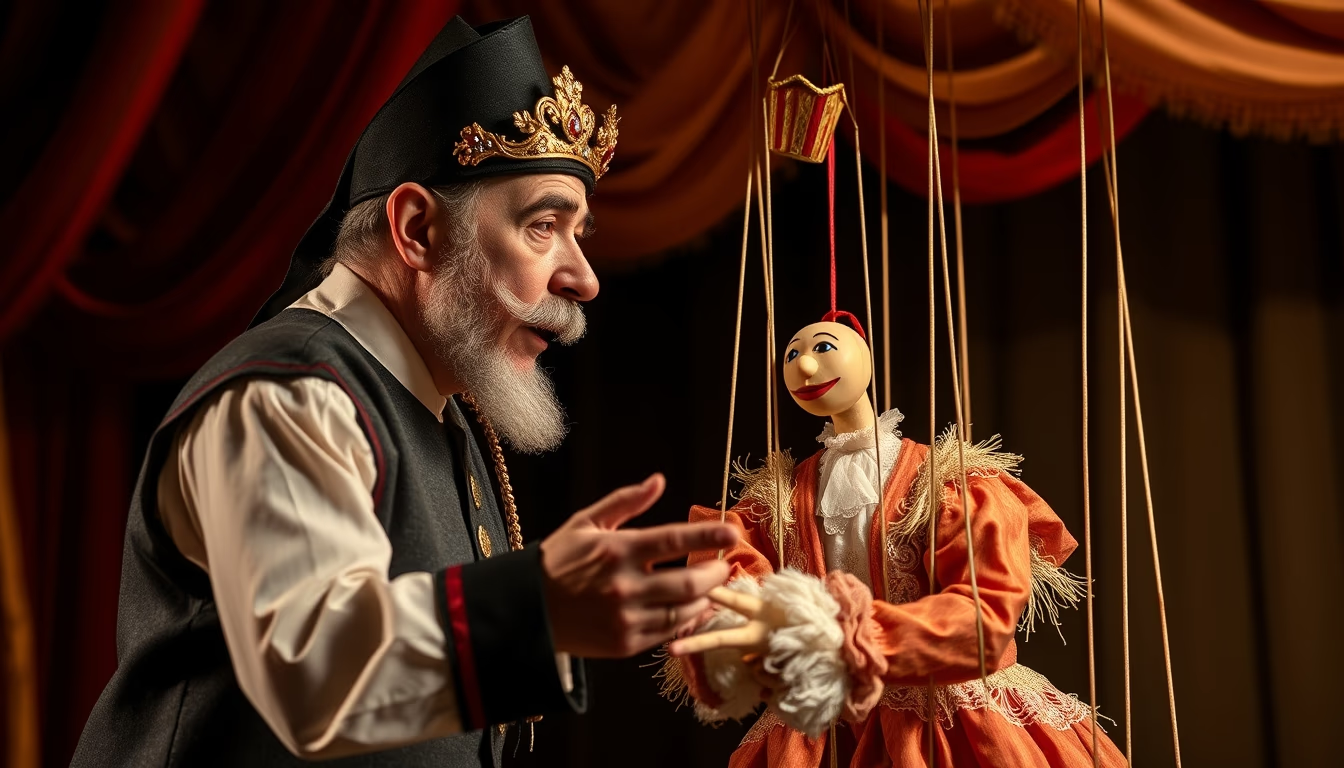
Discover the tradition of Venetian puppet theater, an offshoot of Commedia dell'arte that delighted audiences since the 16th century.
About this subject
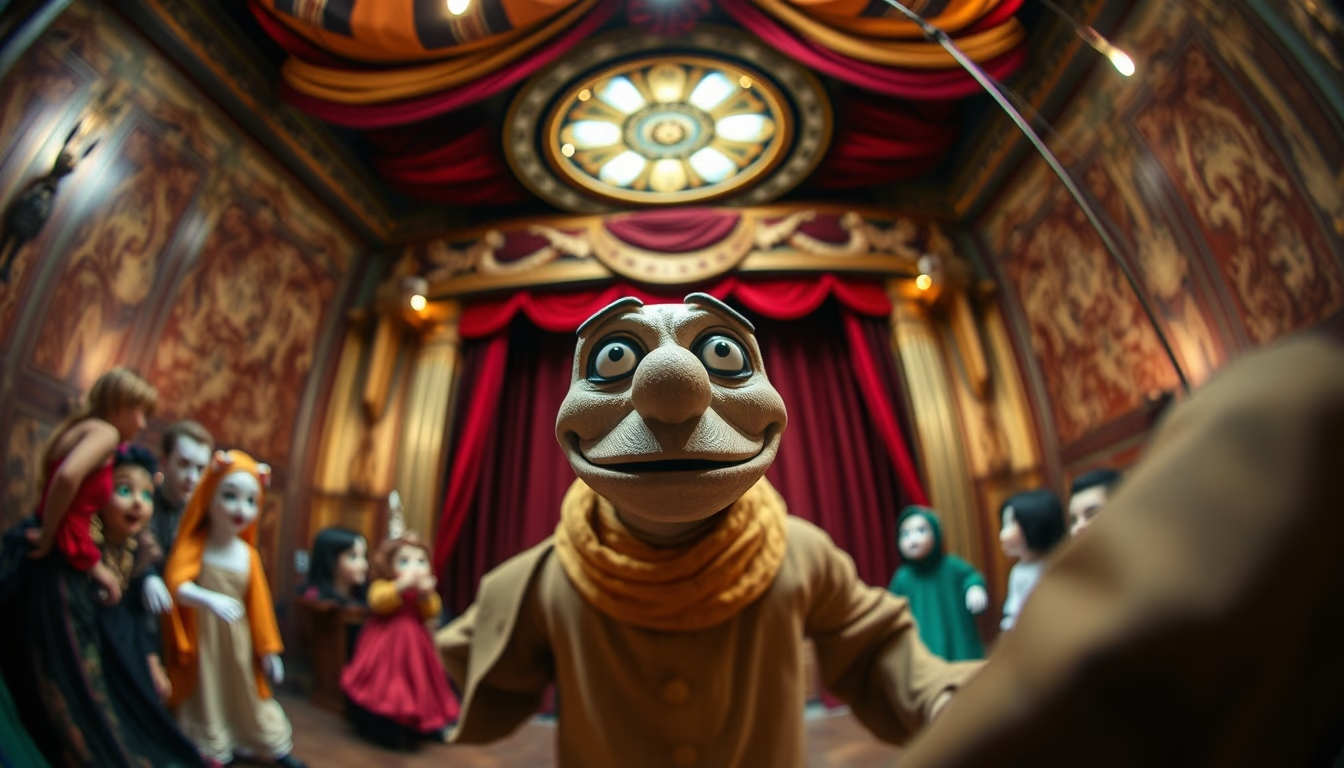
Venetian puppet theater has deep roots in Commedia dell'arte, a popular theatrical movement that emerged in Renaissance Italy. In Venice, marionettes and hand puppets, known as burattini, became vehicles for political and social satire. The fixed characters of Commedia, such as Arlecchino, Pantalone, and Colombina, were perfectly suited to puppet theater, allowing itinerant performers to bring shows to squares and palaces.
During the 17th and 18th centuries, Venice was a vibrant center for puppet performances. The Teatro dei Burattini, founded in the 18th century, is one of the oldest dedicated exclusively to this art. Puppets were carved from wood and hand-painted, with string or rod mechanisms requiring great skill from manipulators. The stories blended comedy, drama, and music, often improvised from basic scripts, keeping alive the tradition of commedia all'improvviso.
Interestingly, the Venetian tradition influenced other European puppet theaters. Writer Carlo Goldoni, famous for his realistic plays, also wrote for puppets. In the 19th century, the puppeteer duo Colla and Bergonzoni brought Venetian shows across Italy and beyond. Today, Venetian puppet theater is preserved by cultural associations and festivals, such as the Festival Internazionale del Teatro di Figura, celebrating the art of puppets in Venice and the region.
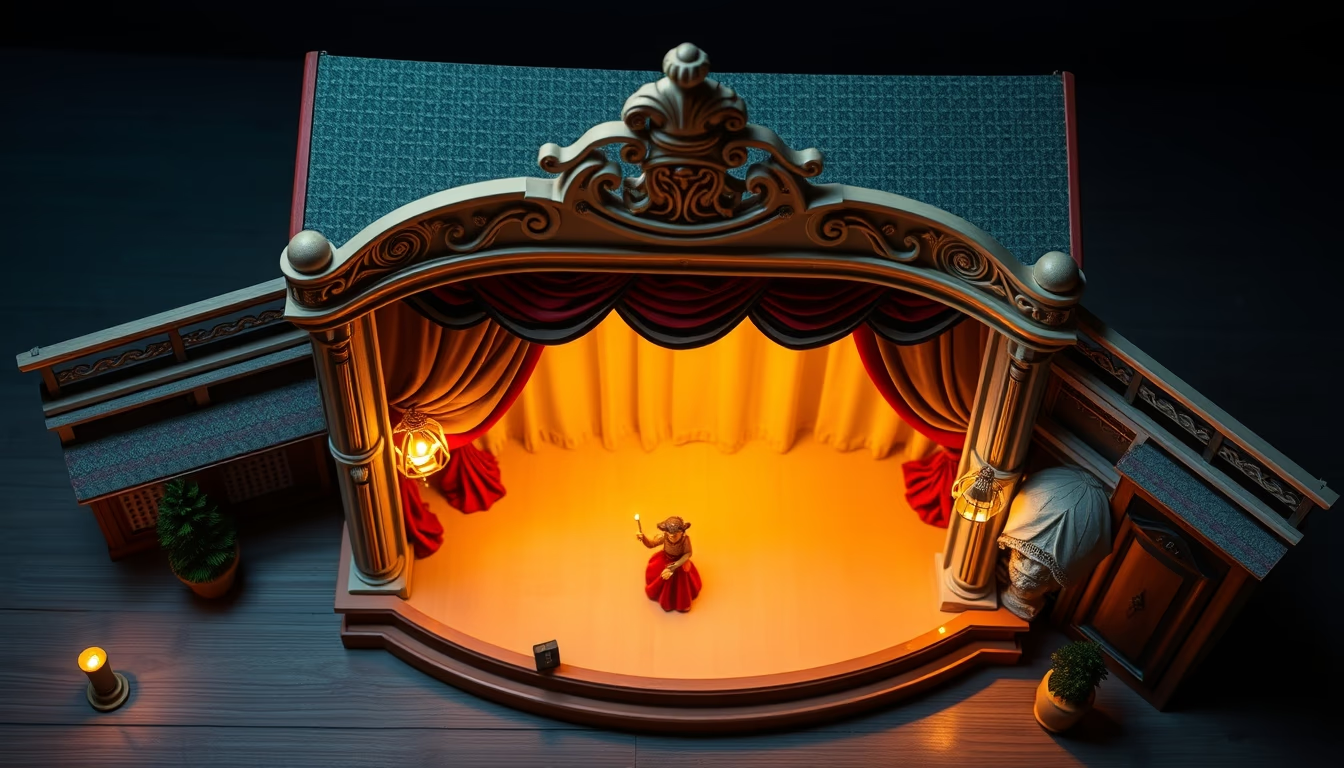
Venice also has a rich history of string marionettes used in puppet operas reproducing works by composers like Mozart and Rossini. These shows, staged in miniature theaters with elaborate scenery, required teams of manipulators and musicians. Though less common today, the art lives on in theater schools and workshops of artisans producing puppets in the old style, keeping the flame of this unique expression alive.
Frequently Asked Questions
What is the origin of puppet theater in Venice?
Venetian puppet theater originated in the 16th century from Commedia dell'arte, with fixed characters like Arlecchino and Pantalone, performed in squares and palaces by itinerant artists.
Is there a historic puppet theater in Venice?
Yes, the Teatro dei Burattini, founded in the 18th century, is one of the oldest dedicated exclusively to puppets, preserving the Venetian tradition to this day.
How did Venetian puppets influence other cultures?
The Venetian tradition influenced European puppet theater, especially through artists like Colla and Bergonzoni, and is still celebrated in international festivals.
Direct URL
https://pub-c7d6a6ea828543ac903a74a341ccb2e1.r2.dev/imagens/puppet-theater-venetian-studio-editorial-portrait-fresh2.avifHow to credit
Include a visible link back to UtilizAí. Copy one of the snippets below:
<a href="https://xn--utiliza-eza.com/en/midia/imagens/puppet-theater-venetian-studio-editorial-portrait-fresh2">Puppet theater venetian</a> by <a href="https://xn--utiliza-eza.com">UtilizAí</a>, licensed under <a href="https://creativecommons.org/licenses/by/4.0/">CC BY 4.0</a>.
[Puppet theater venetian](https://xn--utiliza-eza.com/en/midia/imagens/puppet-theater-venetian-studio-editorial-portrait-fresh2) by [UtilizAí](https://xn--utiliza-eza.com), CC BY 4.0
License: CC-BY-4.0