Puppet theater venetian
1344×768 · AVIF · CC BY 4.0
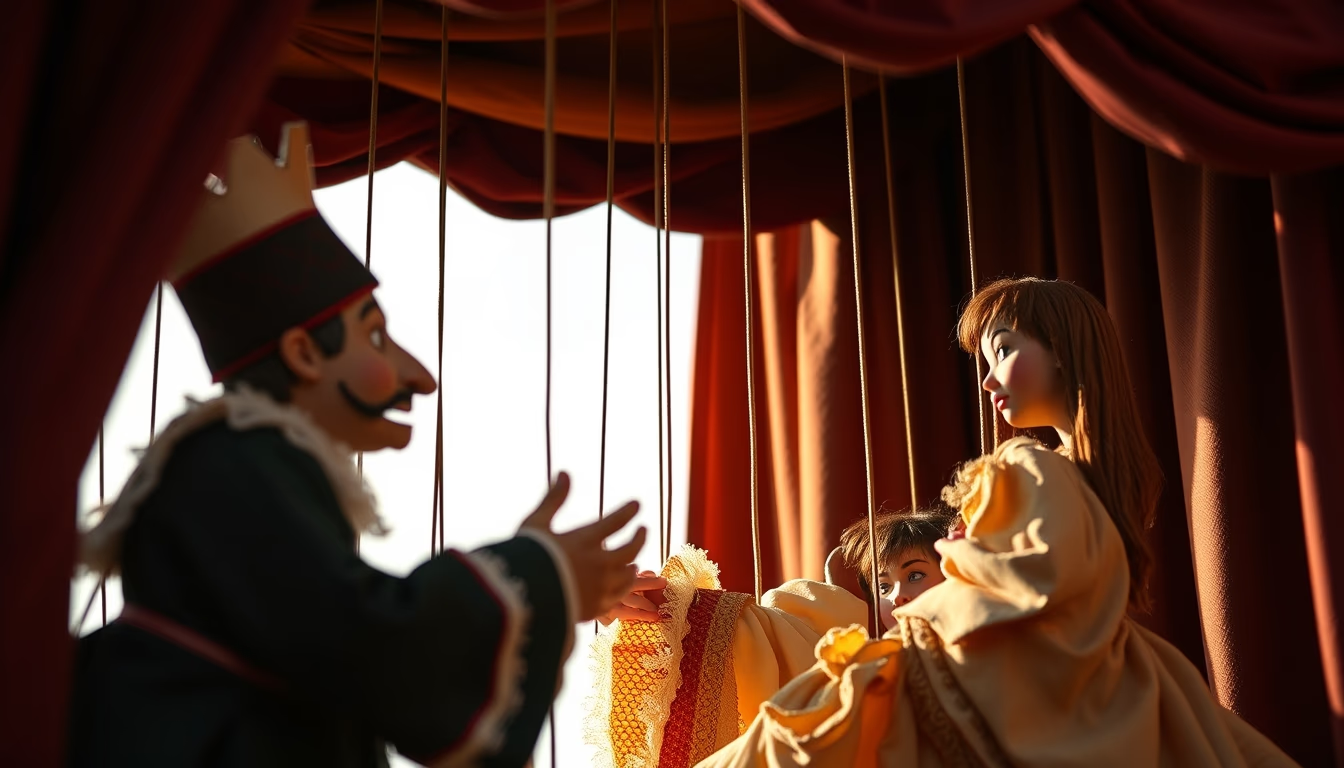
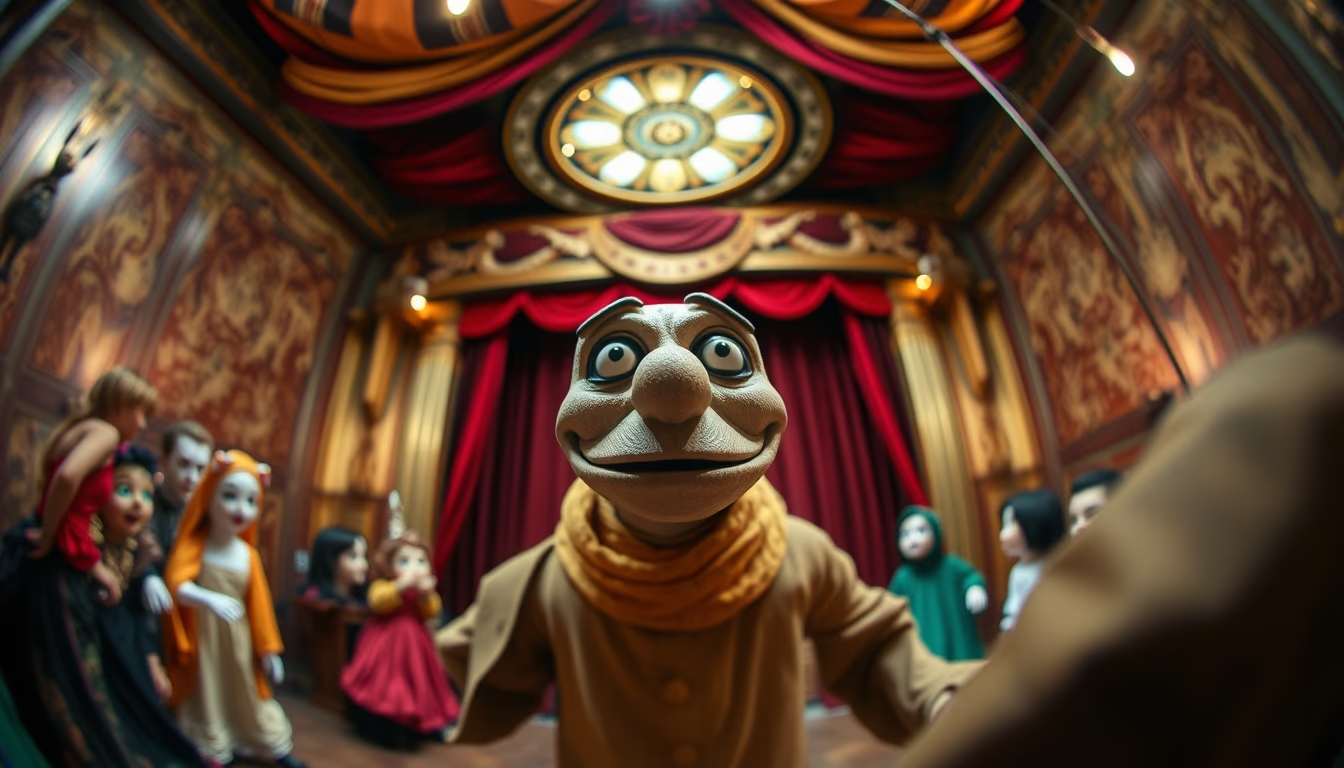
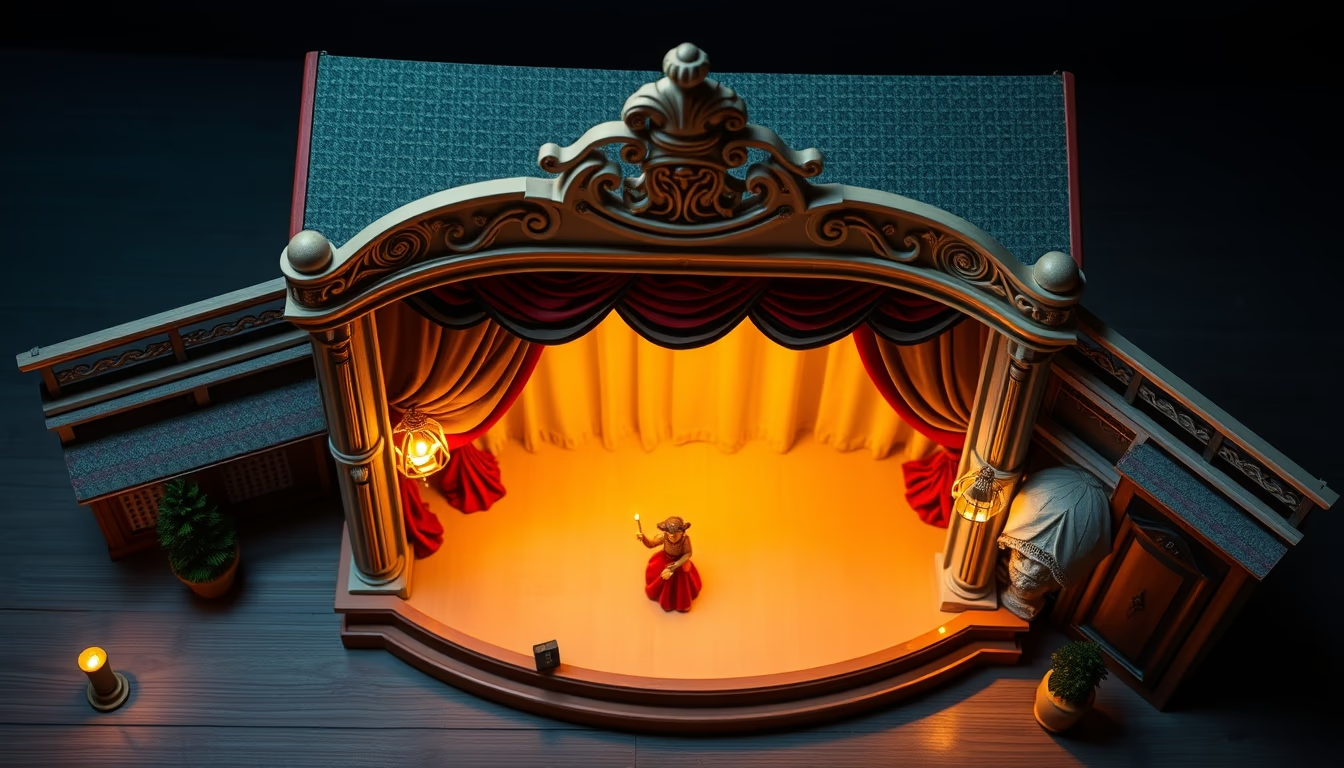
Venetian puppet theater is a centuries-old tradition enchanting generations with elaborate marionettes and commedia dell'arte stories.
About this subject
Venetian puppet theater, also known as 'burattini' or 'marionette', has deep roots in the culture of the Serenissima Republic of Venice. Since the 16th century, local artists perfected the art of manipulating articulated puppets, often inspired by commedia dell'arte characters like Arlecchino, Pantalone, and Colombina. These shows were performed in public squares, palaces, and later in dedicated theaters such as the historic Teatro Goldoni. The Venetian tradition stands out for its use of strings and rods to control precise movements, creating illusions of life that captivated both commoners and nobility. Unlike other Italian regions where glove puppets were more common, Venice favored string marionettes, requiring great skill from puppeteers.
The cultural importance of puppet theater in Venice extends beyond entertainment. It served as a vehicle for social and political criticism, especially during Carnival, when masks allowed bold satires. In the 18th century, the figure of Pantalone (a miserly Venetian merchant) became a symbol of economic stereotypes, while Arlecchino represented the cunning servant. Historic companies like 'Famiglia dei Burattini Veneziani' kept the tradition alive to the present day. The Museum of Puppet Theater in Venice houses collections of centuries-old puppets, documents, and props, offering an overview of this performing art.
Today, Venetian puppet theater faces renewal challenges but still delights tourists and locals at festivals and seasonal performances. Modern animation and lighting techniques have been incorporated, preserving the historical essence. In 2023, UNESCO recognized elements of Italian puppet theater as Intangible Cultural Heritage, highlighting the Venetian contribution. For visitors to the city, attending a show at the historic Palazzo Grassi or Teatro Malibran is an experience that connects past and present, revealing the playful and critical soul of Venice.
Frequently Asked Questions
What is the difference between Venetian puppets and those from other Italian regions?
Venetian puppets are mainly string marionettes, manipulated by cords and rods, while other regions like Naples favor glove puppets (burattini). The Venetian tradition emphasizes precise movements and complex joints, influenced by commedia dell'arte.
Where can I watch puppet theater performances in Venice today?
Regular shows take place at Palazzo Grassi, Teatro Malibran, and cultural spaces during Carnival. The Museum of Puppet Theater also offers seasonal performances. Check local schedules for timings.
Has Venetian puppet theater been recognized by UNESCO?
In 2023, UNESCO inscribed 'Elements of Italian Marionette Theater' as Intangible Cultural Heritage of Humanity, including Venetian practices. This reinforces the historical relevance and need to preserve this art.
Direct URL
https://pub-c7d6a6ea828543ac903a74a341ccb2e1.r2.dev/imagens/puppet-theater-venetian-documentary-nature-style-fresh9.avifHow to credit
Include a visible link back to UtilizAí. Copy one of the snippets below:
<a href="https://xn--utiliza-eza.com/en/midia/imagens/puppet-theater-venetian-documentary-nature-style-fresh9">Puppet theater venetian</a> by <a href="https://xn--utiliza-eza.com">UtilizAí</a>, licensed under <a href="https://creativecommons.org/licenses/by/4.0/">CC BY 4.0</a>.
[Puppet theater venetian](https://xn--utiliza-eza.com/en/midia/imagens/puppet-theater-venetian-documentary-nature-style-fresh9) by [UtilizAí](https://xn--utiliza-eza.com), CC BY 4.0
License: CC-BY-4.0