Pottery shards ancient
1344×768 · AVIF · CC BY 4.0

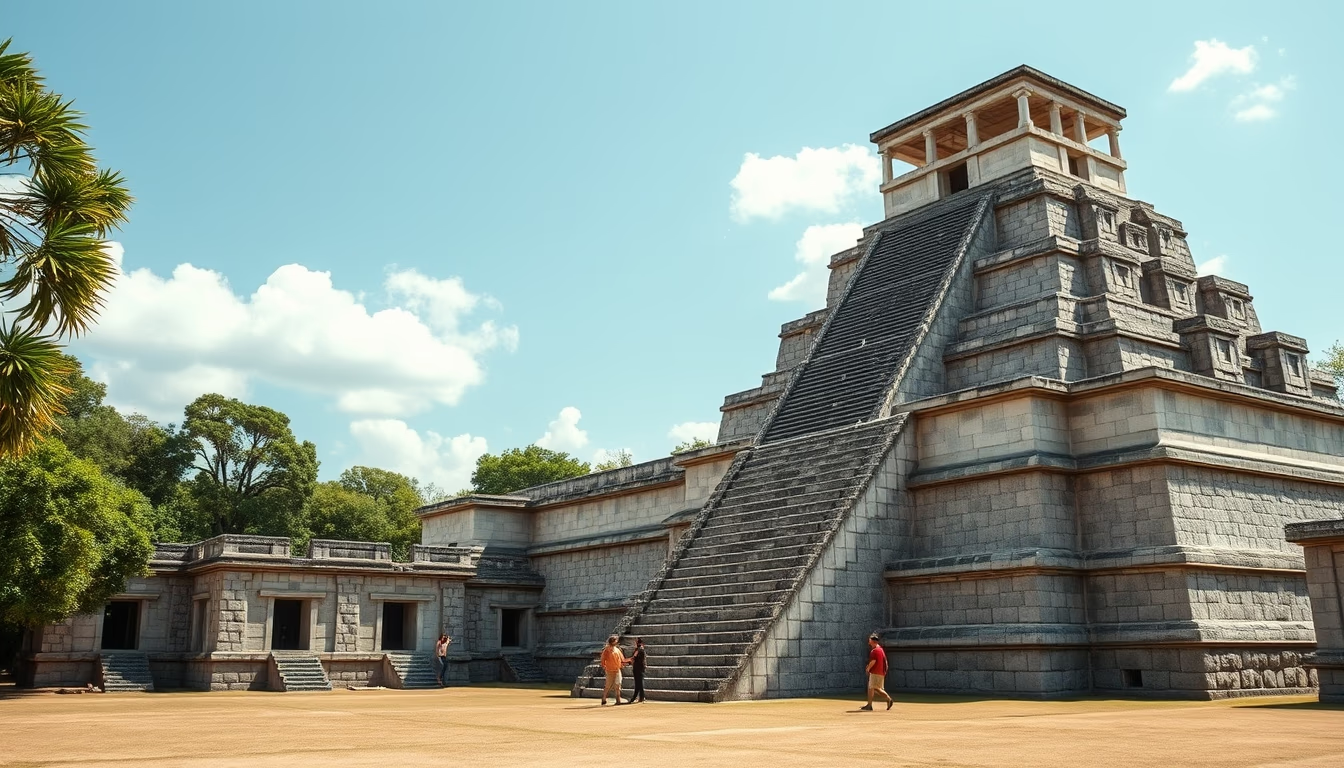
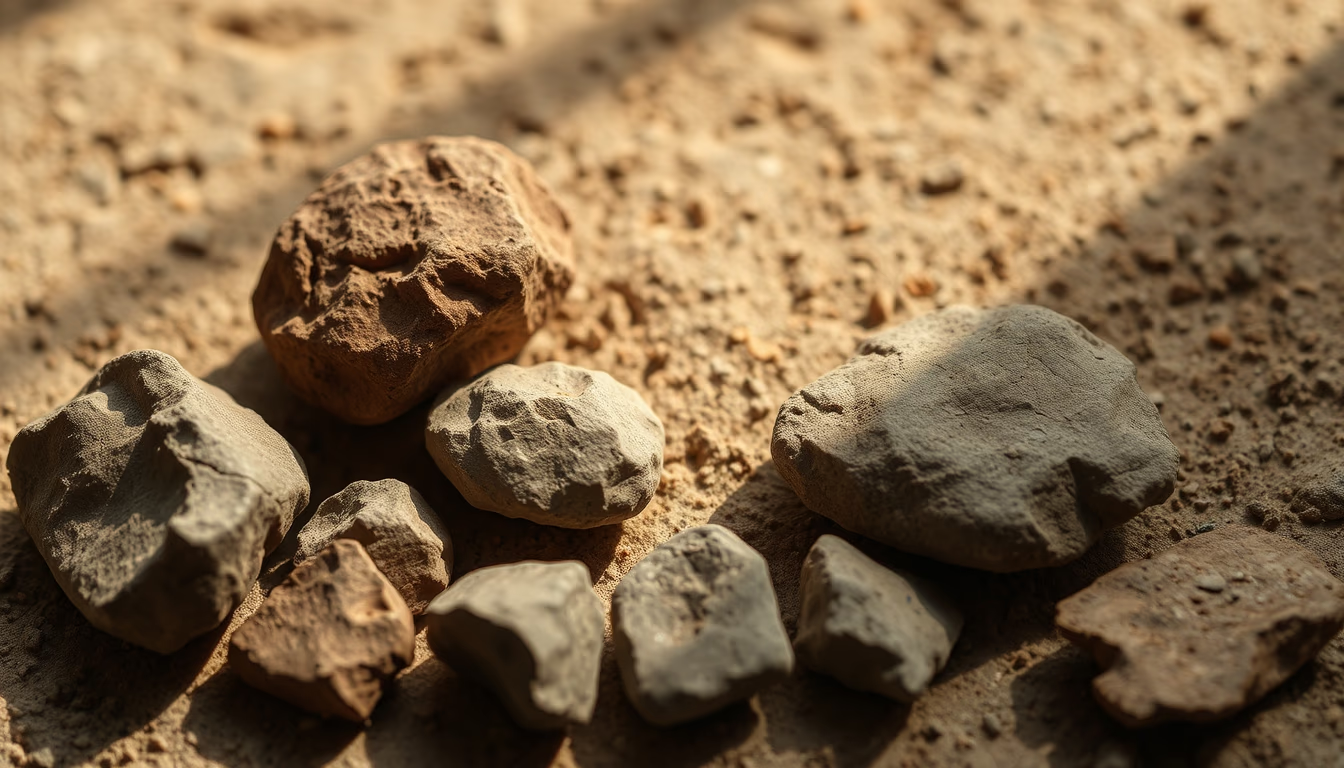
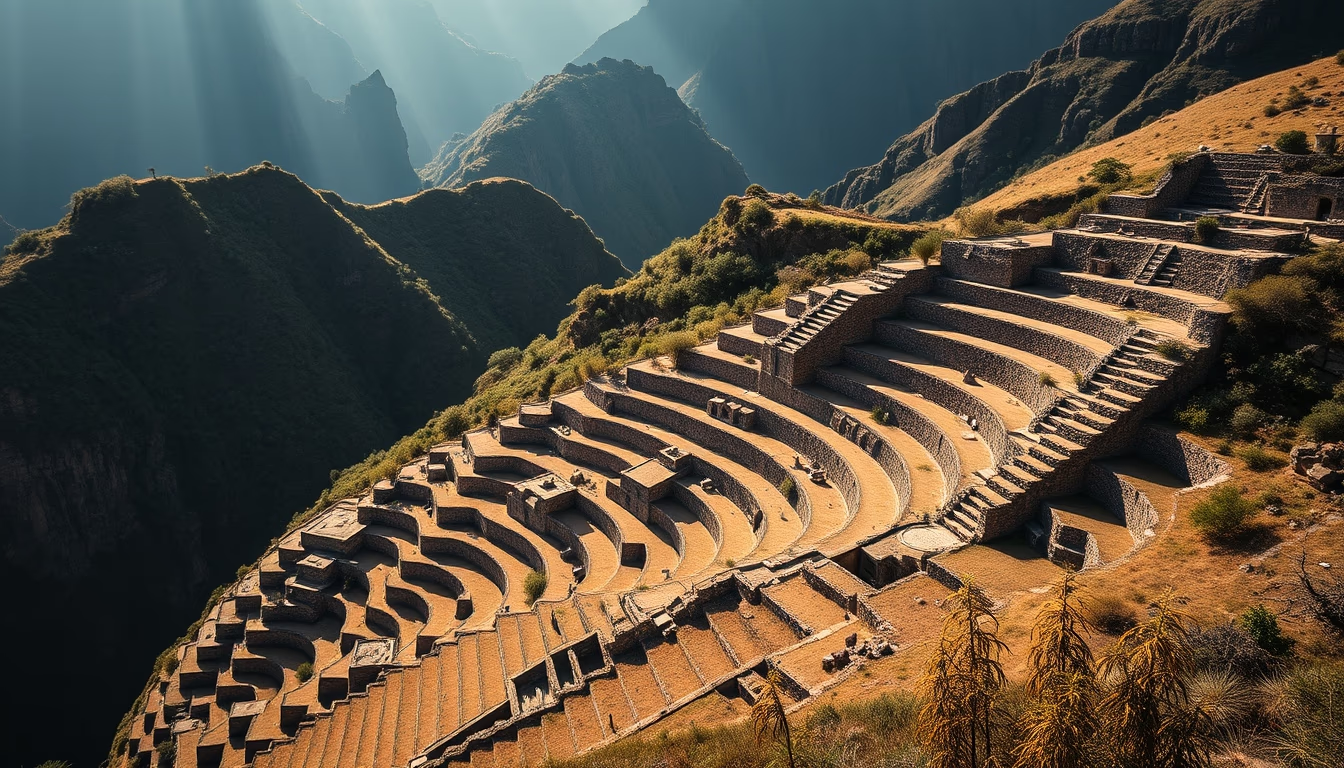
Ancient pottery shards are important archaeological artifacts that provide insights into past societies.
About this subject
Pottery shards, also called sherds or potsherds, are the most abundant artifacts found at archaeological sites worldwide. They represent far more than broken vessels; they are time capsules revealing details about technology, economy, diet, and rituals of ancient cultures. From the earliest Neolithic ceramics in China and the Near East to the sophisticated Greek vases and pre-Columbian funerary urns, each shard tells a story.
Analysis of archaeological shards involves multiple techniques. Thermoluminescence dating determines the last time the piece was heated, usually during firing. Petrography identifies the origin of clays and temper materials, helping map trade routes. The study of potter's marks, painted or incised decoration, and vessel shapes allows typological classifications that date stratigraphic layers with precision. Even organic residues trapped in the pottery's pores can be analyzed via chromatography to reveal diet and vessel use (oils, wine, grains).
Globally, pottery is a durable cultural marker. In Mesopotamia, the earliest cuneiform writing was found on clay tablets. In South America, Marajoara pottery from Marajó Island is renowned for its intricate decoration. In Africa, the Nok terracotta shards (modern Nigeria) are among the oldest known sculptures in fired clay. The diversity of forms and techniques highlights both independent innovation and contacts between distant societies.
Preservation depends on the environment: acidic or wet soils degrade pottery, whereas arid climates and anaerobic conditions promote longevity. Nonetheless, shards can survive for millennia. Each fragment is a testament to human creativity and adaptability. Archaeologists treat every shard as a piece of a vast historical puzzle, where patience and science reconstruct lost ways of life.
Frequently Asked Questions
How do archaeologists date pottery shards?
They use thermoluminescence dating, which measures accumulated radiation since the last firing, and typological analysis comparing shapes and decorations with known stratigraphic sequences.
What do pottery shards reveal about ancient societies?
They show production techniques, trade (via raw material origin), diet (organic residues in pores), and ritual practices (funerary vessels or offerings).
What is the difference between ancient pottery and porcelain?
Porcelain is a high-fired ceramic (kaolin, 1200+ °C), but most ancient shards are low-fired ceramics (700-1000 °C), such as terracotta or stoneware.
Direct URL
https://pub-c7d6a6ea828543ac903a74a341ccb2e1.r2.dev/imagens/pottery-shards-ancient-long-exposure-p9.avifHow to credit
Include a visible link back to UtilizAí. Copy one of the snippets below:
<a href="https://xn--utiliza-eza.com/en/midia/imagens/pottery-shards-ancient-long-exposure-p9">Pottery shards ancient</a> by <a href="https://xn--utiliza-eza.com">UtilizAí</a>, licensed under <a href="https://creativecommons.org/licenses/by/4.0/">CC BY 4.0</a>.
[Pottery shards ancient](https://xn--utiliza-eza.com/en/midia/imagens/pottery-shards-ancient-long-exposure-p9) by [UtilizAí](https://xn--utiliza-eza.com), CC BY 4.0
License: CC-BY-4.0