Pottery shards ancient
1344×768 · AVIF · CC BY 4.0
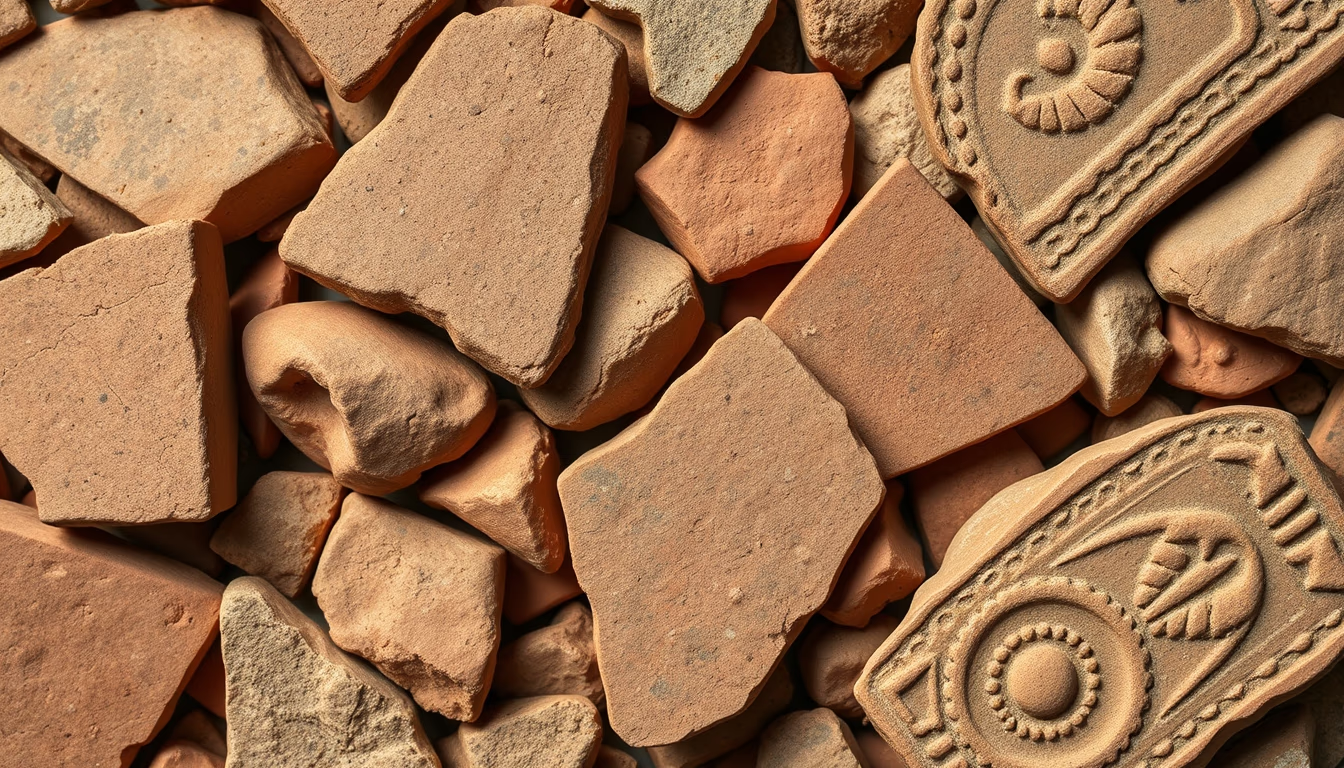
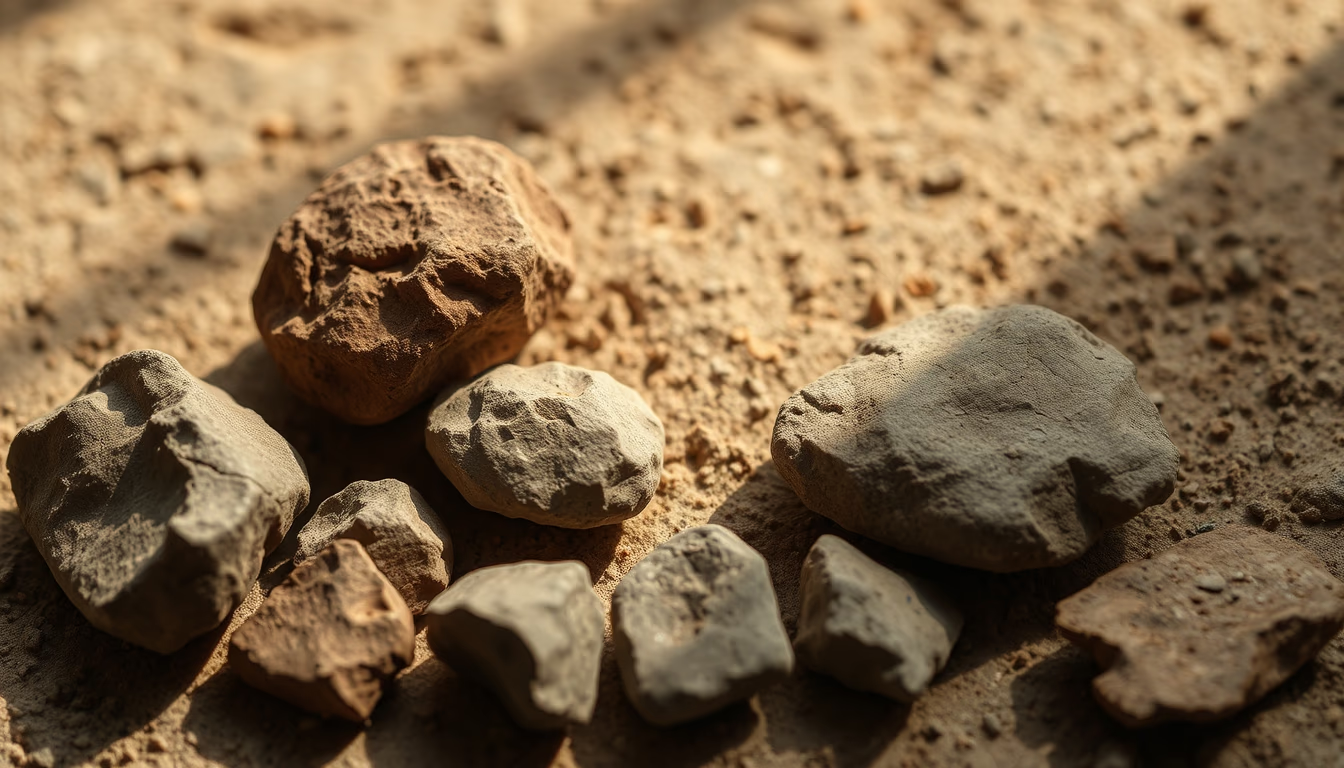
Ancient pottery shards, or sherds, are crucial archaeological artifacts that provide insights into past technologies, diets, and trade routes of ancient civilizations.
About this subject
Ancient pottery shards, often called sherds, are among the most common artifacts found at archaeological sites because fired clay is durable and resistant to decay. They enable archaeologists to date soil layers using techniques like thermoluminescence, which measures time since last firing. Analysis of fragments can reveal clay composition, added tempers (such as sand or crushed shells), and manufacturing techniques like hand-building or wheel-throwing.
Pottery is also a key cultural marker. Decorative styles, shapes, and firing patterns vary among different human groups and historical periods, allowing identification of specific archaeological cultures, such as the Marajoara tradition in the Amazon or ancient Greek pottery. Imported sherds found far from their origin indicate trade networks and interregional contacts, helping reconstruct ancient economic routes.
In tropical regions like Brazil, pottery is often the only surviving material evidence of pre-colonial groups, as wood and bone decay quickly. Organic residue analysis on sherd pores, such as fats and proteins, can reveal ancient diets, including consumption of cultivated plants or hunted animals. This technique has been crucial for understanding plant domestication in South America.
Finally, pottery fragmentation also provides clues about social practices. Intentional breaking during rituals, deposition in burials, or disposal in middens are interpreted by archaeologists to understand beliefs and social organization. Each sherd, however small, carries a story that contributes to the mosaic of the human past.
Frequently Asked Questions
How do archaeologists date pottery shards?
Archaeologists use methods like thermoluminescence, which measures accumulated radiation since last firing, and radiocarbon dating of associated organic residues. Stratigraphy also helps place sherds in time.
What can pottery shards reveal about ancient diets?
Analysis of organic residues in the pores of pottery, such as fats, proteins, and starches, can identify processed foods like grains, tubers, or meat, indicating dietary habits and agricultural practices.
Why is pottery so important for Brazilian archaeology?
In Brazil, pottery is often the main surviving trace of pre-colonial groups because organic materials degrade quickly. It allows identification of cultural traditions, migrations, and exchange networks among indigenous peoples.
Direct URL
https://pub-c7d6a6ea828543ac903a74a341ccb2e1.r2.dev/imagens/pottery-shards-ancient-isometric-flat-lay-p10.avifHow to credit
Include a visible link back to UtilizAí. Copy one of the snippets below:
<a href="https://xn--utiliza-eza.com/en/midia/imagens/pottery-shards-ancient-isometric-flat-lay-p10">Pottery shards ancient</a> by <a href="https://xn--utiliza-eza.com">UtilizAí</a>, licensed under <a href="https://creativecommons.org/licenses/by/4.0/">CC BY 4.0</a>.
[Pottery shards ancient](https://xn--utiliza-eza.com/en/midia/imagens/pottery-shards-ancient-isometric-flat-lay-p10) by [UtilizAí](https://xn--utiliza-eza.com), CC BY 4.0
License: CC-BY-4.0