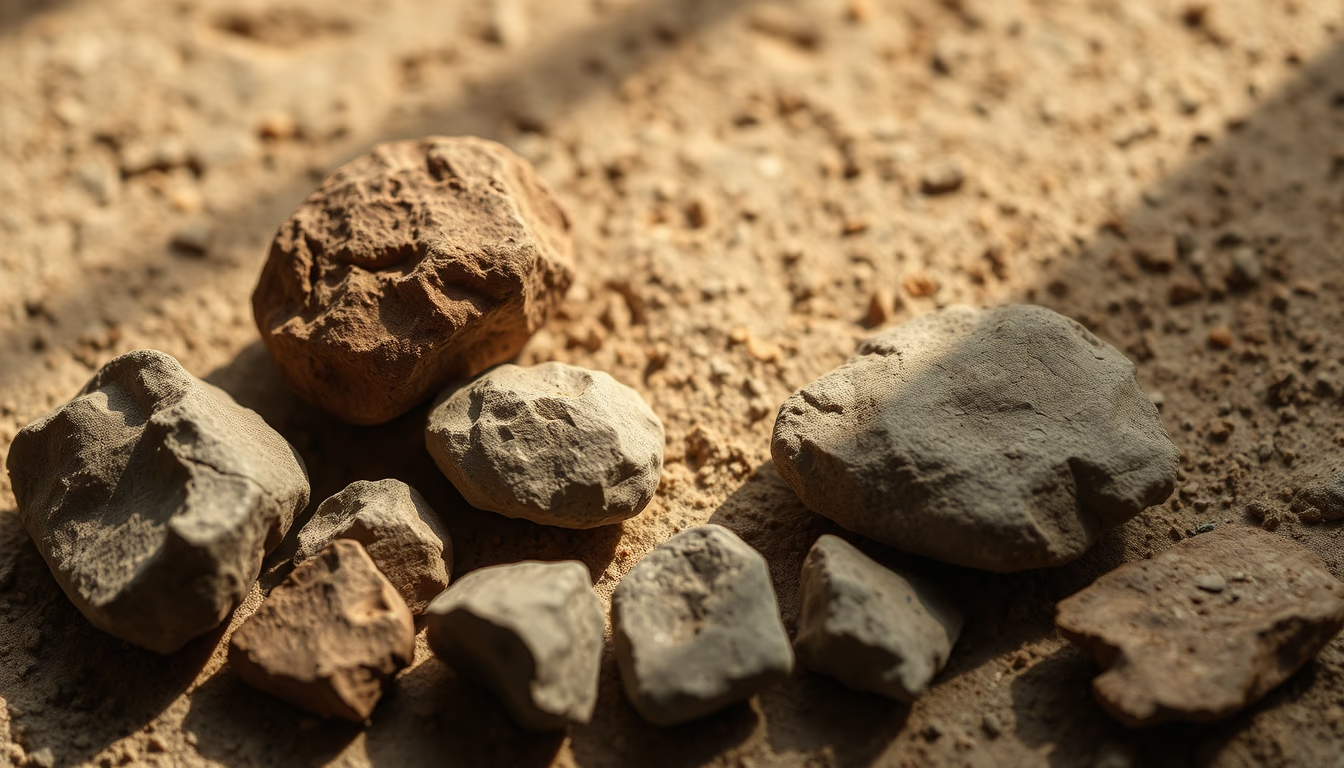
Pottery shards ancient
1344×768 · AVIF · CC BY 4.0
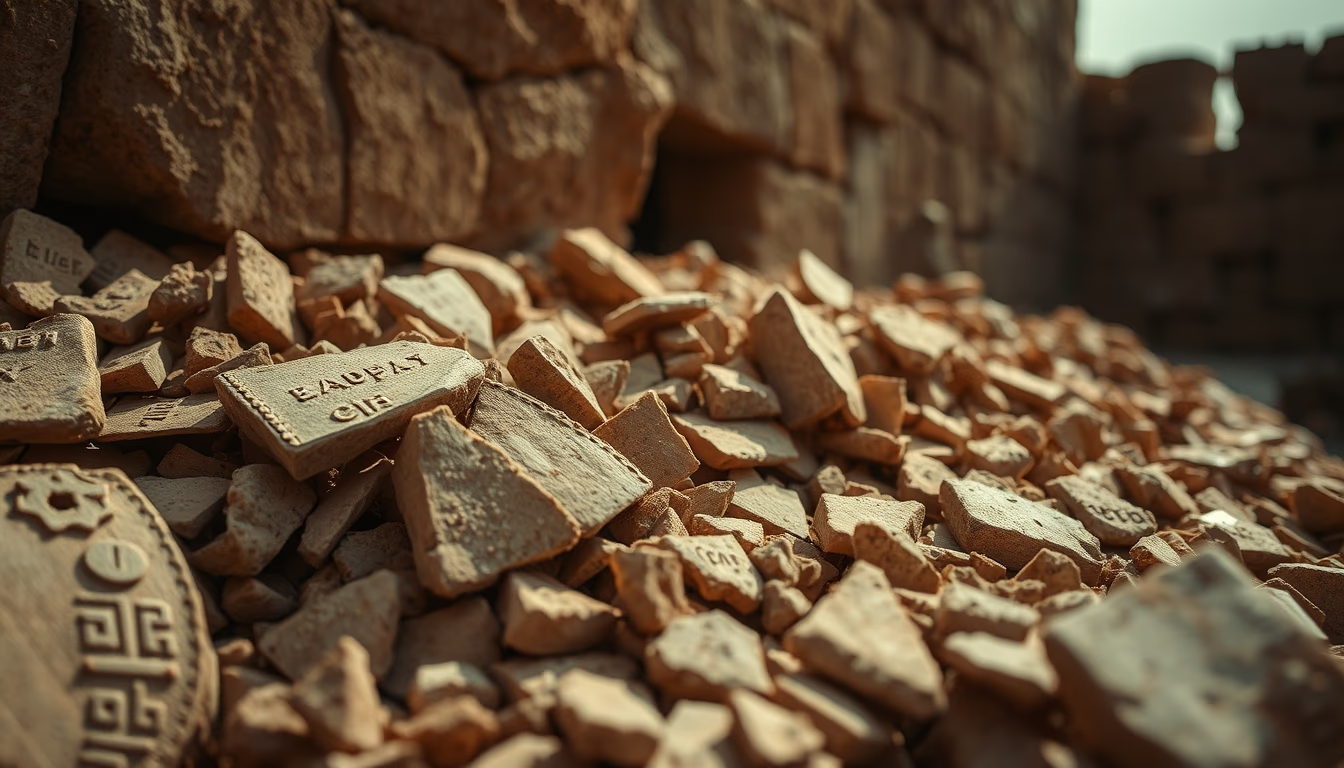
Ancient pottery shards reveal techniques, trade, and daily life of civilizations through typological analysis and thermoluminescence dating.
About this subject
Pottery shards, also called sherds or ostraca, are among the most common finds in archaeological sites. For archaeologists, these pieces are true historical documents: analysis of the paste, temper, and decoration reveals manufacturing techniques, trade routes, and even dietary habits, as organic residues can become trapped in the clay. In Brazil, sites like those of the Tupi-Guarani Tradition provide thousands of fragments that help reconstruct pre-colonial occupation, while in the Old World, Roman amphorae and Greek vases are classic examples of how pottery reflects cultural identity.
Dating of pottery shards is done by thermoluminescence, which measures the time elapsed since the last firing of the piece. Seriation is also used, ordering fragments by style and form to establish relative chronologies. At sites like Çatalhöyük in Turkey, decorated geometric pottery helped prove trade contacts between Neolithic communities. In Egypt, ostraca with hieratic inscriptions revealed everything from shopping lists to literary texts.
From a technical standpoint, the composition of the pottery indicates the source of the clay and firing temperatures, which vary according to available technology. Open kilns (up to 800 °C) produce porous pieces, while closed kilns (above 1000 °C) yield harder, vitrified ceramics, such as Egyptian faience. The presence of certain minerals, like mica, can point to specific deposits. Interestingly, some glazed pottery fragments from ancient China, up to 4000 years old, already contained traces of cobalt, an element used centuries later in blue-and-white porcelain.
In contemporary archaeology, the study of fragments also involves micro-residue analysis, such as starch grains and phytoliths, which reveal consumed plants. In Amazonian sites, the so-called Amazonian dark earth contains pottery shards indicating soil management by pre-Columbian populations. Each sherd, however simple, carries information about population dispersal, social hierarchy, and even rituals. Global archaeological organizations, like the Society for American Archaeology, emphasize the importance of cataloging and preserving these fragments, as they constitute the bulk of available material culture.
Frequently Asked Questions
How do archaeologists use pottery shards to date sites?
Two main methods are thermoluminescence, which measures time since last firing, and seriation, which orders fragments by style and form to create relative chronologies. Combining these techniques helps place a site on a timeline.
What information can be extracted from a single pottery sherd?
Beyond dating, paste composition reveals clay source and manufacturing techniques. Organic residues indicate diet, while decoration and form suggest specific functions (storage, cooking, rituals) and cultural contacts.
Why is pottery so abundant in archaeological sites?
Unlike organic materials, pottery is highly resistant to decay. After firing, clay becomes a stable material that can last millennia, making it the most common and durable trace of human activity.
Direct URL
https://pub-c7d6a6ea828543ac903a74a341ccb2e1.r2.dev/imagens/pottery-shards-ancient-high-fashion-editorial-p4.avifHow to credit
Include a visible link back to UtilizAí. Copy one of the snippets below:
<a href="https://xn--utiliza-eza.com/en/midia/imagens/pottery-shards-ancient-high-fashion-editorial-p4">Pottery shards ancient</a> by <a href="https://xn--utiliza-eza.com">UtilizAí</a>, licensed under <a href="https://creativecommons.org/licenses/by/4.0/">CC BY 4.0</a>.
[Pottery shards ancient](https://xn--utiliza-eza.com/en/midia/imagens/pottery-shards-ancient-high-fashion-editorial-p4) by [UtilizAí](https://xn--utiliza-eza.com), CC BY 4.0
License: CC-BY-4.0