Pompeii ruins fresco
1344×768 · AVIF · CC BY 4.0
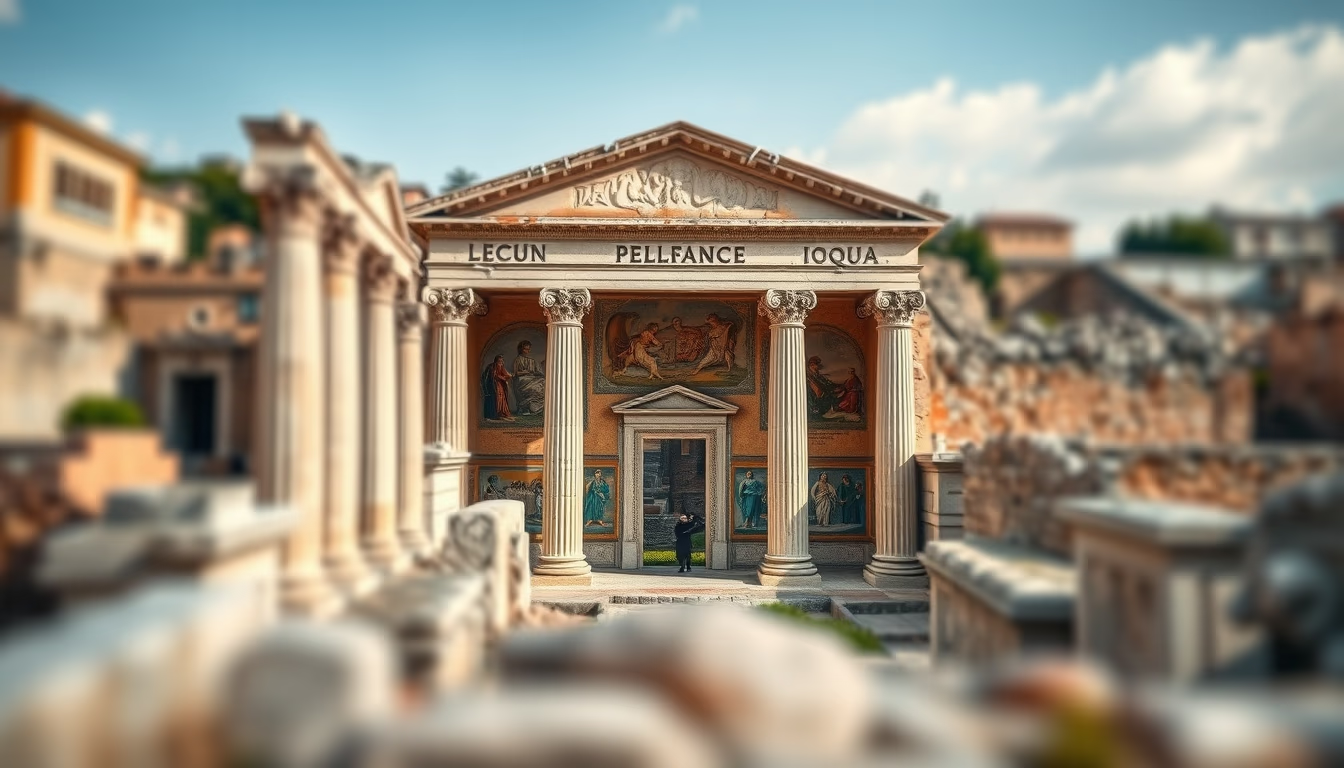
The ruins of Pompeii reveal 1st-century AD Roman frescoes, preserved by the Vesuvius eruption in 79 AD, offering a vivid glimpse into daily life and art in ancient Rome.
About this subject
Pompeii was a prosperous Roman city in the Campania region, near modern-day Naples. On August 24, 79 AD, the eruption of Mount Vesuvius buried the city under ash and pumice, preserving it exceptionally for nearly two millennia. Excavations begun in the 18th century revealed streets, houses, temples, and frescoes depicting everything from mythological scenes to everyday life, such as banquets, garden murals, and erotic figures. Pompeian frescoes are crucial sources for understanding Roman painting, as most works from ancient Rome have been lost.
Frescoes were made by applying mineral pigments onto wet plaster, allowing the colors to bond as the plaster dried. In Pompeii, four Pompeian styles of mural painting are found. The First Style imitated marble; the Second created three-dimensional illusions with landscapes and architecture; the Third was more decorative and elegant; and the Fourth combined fantastic elements with realistic scenes. Famous examples include the frescoes of the Villa of the Mysteries, featuring Dionysian rituals, and the House of the Vettii, with mythological scenes like Perseus and Andromeda.
The eruption of Vesuvius not only destroyed but also preserved these frescoes by sealing them from the elements. Today, many are displayed at the Pompeii archaeological site, a UNESCO World Heritage Site, and at the National Archaeological Museum of Naples. Unfortunately, exposure to the open air and tourism have caused deterioration, requiring ongoing restoration projects. In 2023, new excavations in Regio V unearthed stunning frescoes, including a still life resembling a primitive pizza, highlighting the wealth still to be discovered.
Frequently Asked Questions
What are Pompeii frescoes and why are they important?
They are mural paintings made with pigments on wet plaster, dating from the 1st century AD. They are important because they provide rare evidence of Roman painting and daily life, preserved by the Vesuvius eruption.
What painting styles are found in Pompeii?
There are four styles: First (imitating marble), Second (illusion of depth), Third (decorative), and Fourth (combination of fantasy and realism). They help date buildings and understand Roman artistic evolution.
Where can I see Pompeii frescoes today?
At the Pompeii archaeological site, especially in the Villa of the Mysteries and the House of the Vettii, and at the National Archaeological Museum of Naples, which holds pieces removed for conservation.
Direct URL
https://pub-c7d6a6ea828543ac903a74a341ccb2e1.r2.dev/imagens/pompeii-ruins-fresco-tilt-shift-miniature-p8.avifHow to credit
Include a visible link back to UtilizAí. Copy one of the snippets below:
<a href="https://xn--utiliza-eza.com/en/midia/imagens/pompeii-ruins-fresco-tilt-shift-miniature-p8">Pompeii ruins fresco</a> by <a href="https://xn--utiliza-eza.com">UtilizAí</a>, licensed under <a href="https://creativecommons.org/licenses/by/4.0/">CC BY 4.0</a>.
[Pompeii ruins fresco](https://xn--utiliza-eza.com/en/midia/imagens/pompeii-ruins-fresco-tilt-shift-miniature-p8) by [UtilizAí](https://xn--utiliza-eza.com), CC BY 4.0
License: CC-BY-4.0