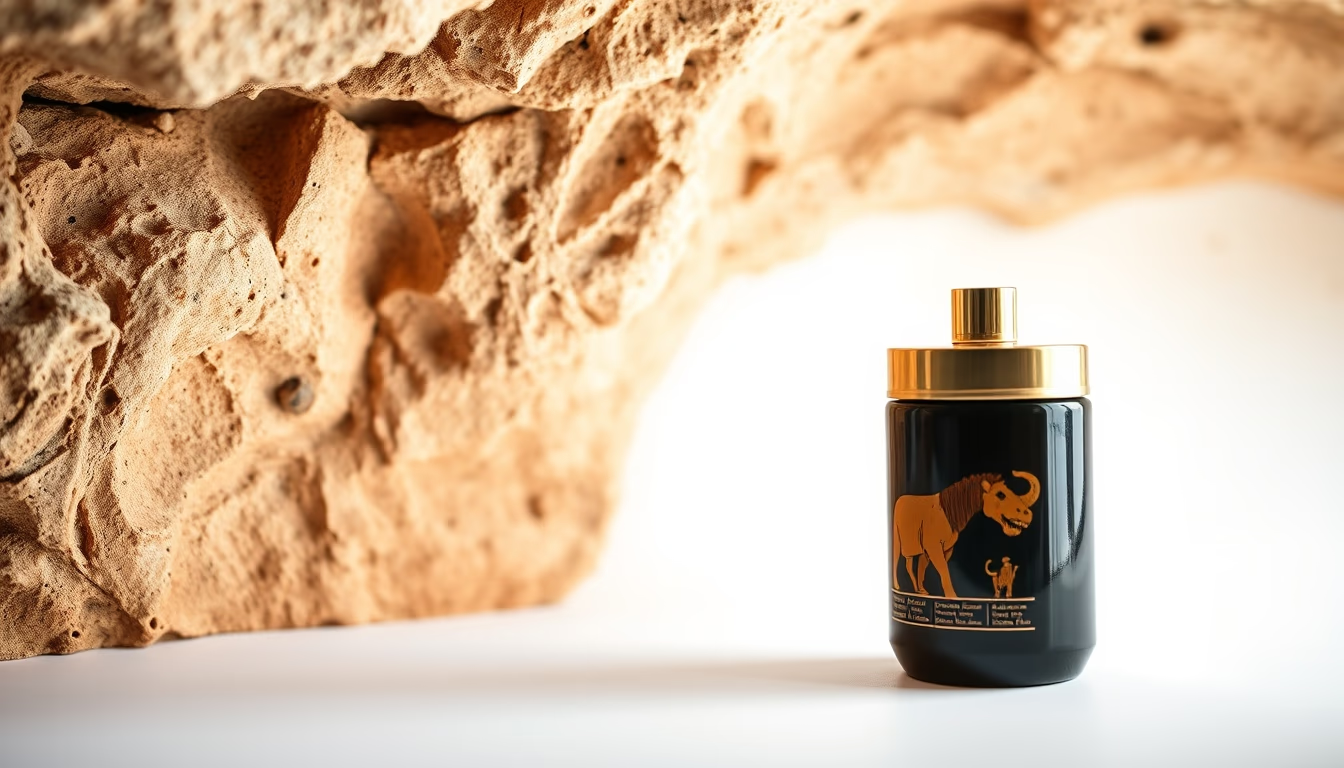
Pompeii ruins fresco
1344×768 · AVIF · CC BY 4.0
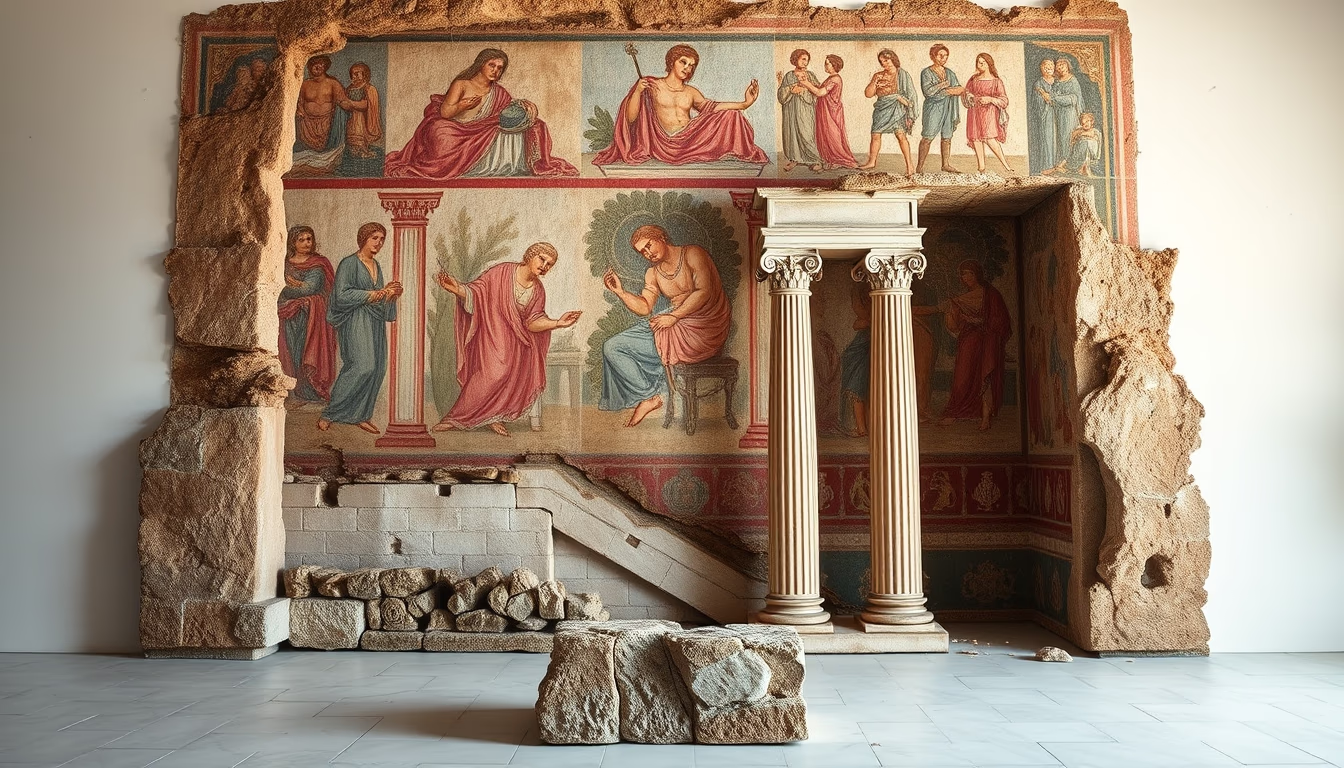
Pompeii frescoes, preserved by the eruption of Vesuvius in 79 AD, reveal details of Roman daily life and mythology.
About this subject
The frescoes of Pompeii are Roman wall paintings that survived for centuries thanks to the eruption of Mount Vesuvius in 79 AD, which buried the city in ash and pumice. These works, dated between the 2nd century BC and 79 AD, provide a vivid record of Roman art, culture, and society. Techniques included true fresco, where pigments are applied to wet plaster, and encaustic, using wax as a binder. Themes ranged from still lifes and landscapes to mythological scenes and portraits, such as the famous frescoes from the Villa of the Mysteries and the House of the Vettii.
The eruption covered Pompeii under up to 6 meters of debris, creating an anaerobic environment that protected the paintings from decay. Systematic excavations beginning in the 18th century uncovered thousands of frescoes, many of which were removed and are now in museums like the National Archaeological Museum of Naples. Yet hundreds remain in situ, open to visitors, allowing tourists and scholars to appreciate the chromatic richness and technical skill of Roman artists.
A notable curiosity is that Romans used pigments from minerals such as malachite (green), cinnabar (red), and azurite (blue), as well as Tyrian purple from mollusks. These materials, combined with the fresco technique, produced intense colors that withstood time. The frescoes also reflect Greek and Hellenistic influences, adapted to Roman pragmatic taste, depicting everything from banquets and religious rituals to erotic and political scenes.
Today, conservation of the frescoes faces constant challenges from humidity, pollution, and tourism. International partnerships, such as the Great Pompeii Project funded by the European Union, have invested in restoration and monitoring. Despite damage from earthquakes and World War II, the frescoes of Pompeii remain an invaluable testament to Roman art and one of the world's greatest archaeological legacies.
Frequently Asked Questions
How were the Pompeii frescoes preserved for so long?
The eruption of Mount Vesuvius in 79 AD buried Pompeii under ash and pumice, creating a sealed, anaerobic environment that protected the paintings from moisture, air, and microorganisms for centuries.
What is the main technique used in Pompeian frescoes?
The most common technique is buon fresco, where natural pigments are applied to fresh lime plaster. This causes the colors to become permanently fixed to the wall as the plaster dries.
Where can I see Pompeii frescoes today?
Many frescoes are housed in the National Archaeological Museum of Naples, while others remain in the ruins of Pompeii, open to visitors. Some also travel to temporary exhibitions worldwide.
Direct URL
https://pub-c7d6a6ea828543ac903a74a341ccb2e1.r2.dev/imagens/pompeii-ruins-fresco-studio-still-life-p4.avifHow to credit
Include a visible link back to UtilizAí. Copy one of the snippets below:
<a href="https://xn--utiliza-eza.com/en/midia/imagens/pompeii-ruins-fresco-studio-still-life-p4">Pompeii ruins fresco</a> by <a href="https://xn--utiliza-eza.com">UtilizAí</a>, licensed under <a href="https://creativecommons.org/licenses/by/4.0/">CC BY 4.0</a>.
[Pompeii ruins fresco](https://xn--utiliza-eza.com/en/midia/imagens/pompeii-ruins-fresco-studio-still-life-p4) by [UtilizAí](https://xn--utiliza-eza.com), CC BY 4.0
License: CC-BY-4.0