Pompeii ruins fresco
1344×768 · AVIF · CC BY 4.0
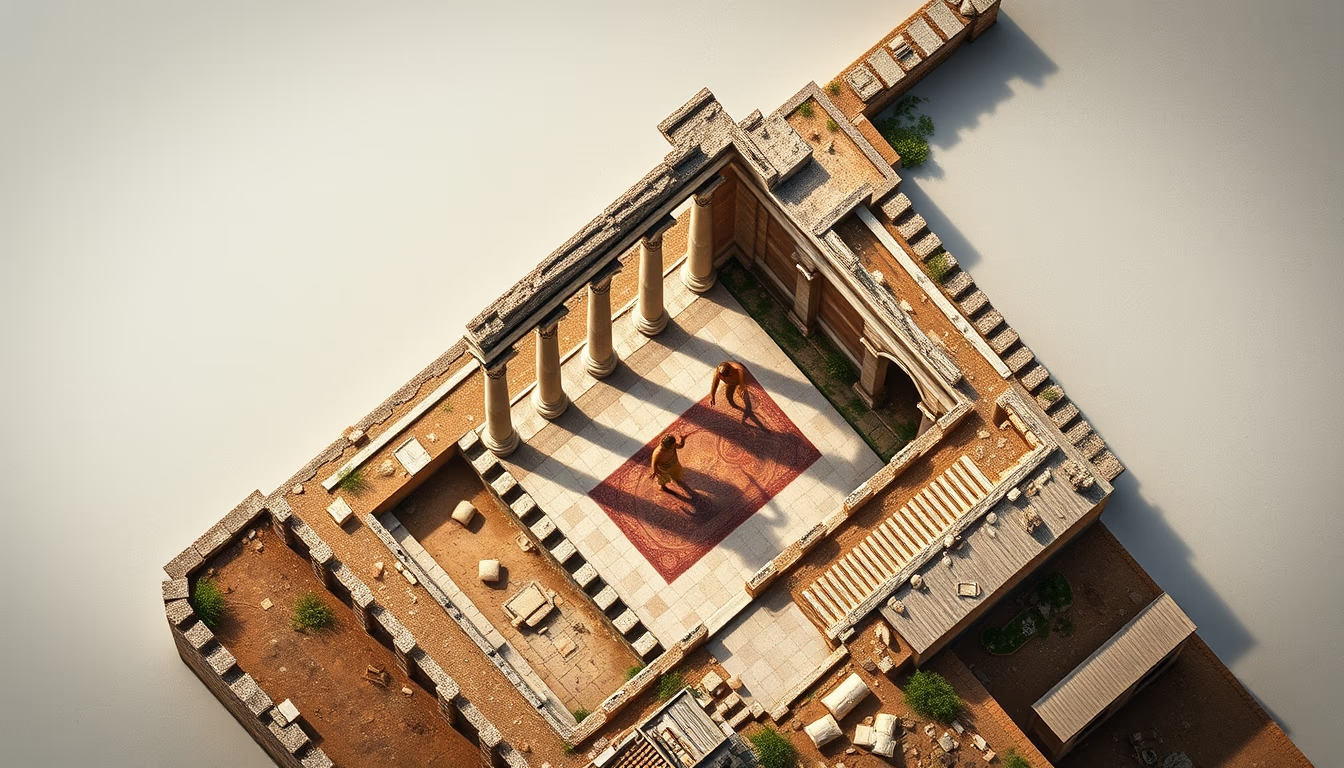
Frescoes from Pompeii reveal daily life, mythology, and Roman art of the 1st century, preserved by the eruption of Mount Vesuvius in 79 AD.
About this subject
The frescoes of Pompeii represent one of the most significant legacies of Roman art. The city, buried by the eruption of Mount Vesuvius in 79 AD, kept its wall paintings intact for nearly two millennia. These works adorned houses, villas, and public spaces, depicting everything from mythological scenes, such as Venus and Mars, to portraits of historical figures and bucolic landscapes. The technique used, fresco (painting on wet plaster), allowed a vividness of colors that still impresses today.
The themes varied according to the room's function: dining rooms (triclinia) often featured still lifes of food, symbolizing abundance; bedrooms displayed erotic scenes or protective deities. The House of the Vettii, for example, exhibits frescoes of putti (cherubs) engaged in daily activities, such as selling oil, providing a rare record of the local economy. The Villa of the Mysteries, meanwhile, presents a cycle of paintings on the initiation rites of the cult of Dionysus, demonstrating the influence of Eastern religions in the Roman Empire.
The exceptional preservation of the frescoes is due to the lack of air and moisture under the volcanic ash. Many colors, such as Pompeian red (obtained from cinnabar), have retained their original brilliance. Currently, the frescoes undergo constant restoration, especially after damage caused by rain and tourism. In 2015, the "Grande Progetto Pompei" invested millions in conservation, revealing new paintings in recent excavations, such as the fresco of a gladiator and the mythological figure of Narcissus.
The influence of Pompeii's frescoes on Western art is immense. Renaissance artists like Raphael studied the rediscovered Pompeian compositions and techniques in the 18th century. Today, these murals are primary sources for historians, archaeologists, and scholars of Roman culture, offering a unique window into the daily life, beliefs, and aesthetics of a society that vanished abruptly.
Frequently Asked Questions
Why are the frescoes of Pompeii so well preserved?
The eruption of Vesuvius covered the city with a thick layer of ash and pumice that sealed the buildings, preventing air, light, and moisture from causing biological or chemical decay. This preserved the colors and details of the paintings for nearly two thousand years.
What are the most common themes in Pompeian frescoes?
Common themes include mythological scenes (gods and heroes), still lifes, landscapes, portraits, erotic scenes, and depictions of daily life such as trades, festivals, and religious rituals. Each room of the house had a theme appropriate to its function.
Where can I see the frescoes of Pompeii today?
Most remain in situ at the ruins of Pompeii. Many have been moved to the National Archaeological Museum of Naples, where they are displayed. Other museums around the world also hold fragments, but the majority stay in the Campania region.
Direct URL
https://pub-c7d6a6ea828543ac903a74a341ccb2e1.r2.dev/imagens/pompeii-ruins-fresco-isometric-flat-lay-p6.avifHow to credit
Include a visible link back to UtilizAí. Copy one of the snippets below:
<a href="https://xn--utiliza-eza.com/en/midia/imagens/pompeii-ruins-fresco-isometric-flat-lay-p6">Pompeii ruins fresco</a> by <a href="https://xn--utiliza-eza.com">UtilizAí</a>, licensed under <a href="https://creativecommons.org/licenses/by/4.0/">CC BY 4.0</a>.
[Pompeii ruins fresco](https://xn--utiliza-eza.com/en/midia/imagens/pompeii-ruins-fresco-isometric-flat-lay-p6) by [UtilizAí](https://xn--utiliza-eza.com), CC BY 4.0
License: CC-BY-4.0