Pompeii ruins fresco
1344×768 · AVIF · CC BY 4.0
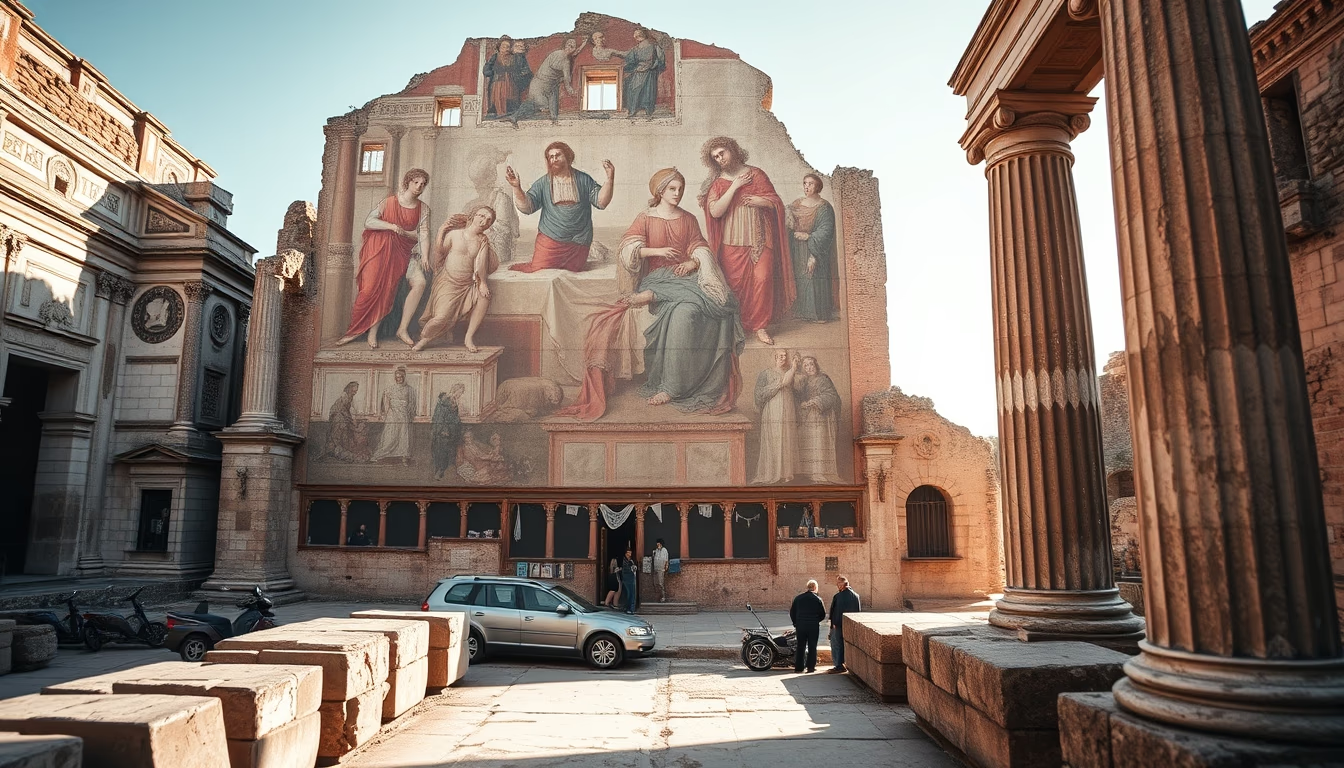
The frescoes of Pompeii reveal daily life and Roman art from the 1st century AD, preserved under the ashes of Vesuvius.
About this subject
The frescoes of Pompeii are mural paintings found in the ancient Roman city buried by the eruption of Mount Vesuvius in 79 AD. They constitute one of the richest sources for the study of Roman painting, encompassing mythological scenes, portraits, still lifes, and erotic art. The dominant technique was buon fresco, where pigments were applied on wet plaster, ensuring durability and vivid colors such as Egyptian blue and cinnabar.
The volcanic eruption covered Pompeii with a layer of ash and pumice, creating an anaerobic environment that preserved the paintings for nearly two millennia. Excavations, which began in the 18th century, uncovered frescoes in houses, villas, and public buildings, offering a unique glimpse into Roman life. Among the most famous examples are those in the Villa of the Mysteries, depicting Dionysian ritual scenes, and the House of the Vettii, with mythological panels and landscapes.
Thematically, frescoes varied by room function: dining rooms featured still lifes and banquet scenes, while bedrooms displayed erotic or mythological motifs. Hellenistic influence is evident in perspective and shading, but local artists also developed distinct styles. The preservation is so exceptional that even graffiti and inscriptions survive, such as the famous electoral notices on walls.
Recent discoveries, such as the 'Bread and Fruits' fresco found in 2018, continue to expand knowledge. Conservation projects use lasers and 3D scanners to restore faded colors and stabilize surfaces. However, exposure to open air and mass tourism threatens these treasures, requiring constant protection measures.
Frequently Asked Questions
What are the Pompeii frescoes?
They are mural paintings in buildings of the ancient Roman city of Pompeii, preserved by the eruption of Vesuvius in 79 AD, depicting daily life, mythology, and decoration.
How were the frescoes preserved for so long?
The volcanic eruption covered the city with ash and pumice, creating a sealed anaerobic environment that protected the paintings from natural deterioration for centuries.
What is the cultural significance of these frescoes for historical study?
They are primary sources for the study of Roman painting, revealing artistic techniques, popular themes, Hellenistic and Etruscan influences, and aspects of social and economic life.
Direct URL
https://pub-c7d6a6ea828543ac903a74a341ccb2e1.r2.dev/imagens/pompeii-ruins-fresco-documentary-photography-p9.avifHow to credit
Include a visible link back to UtilizAí. Copy one of the snippets below:
<a href="https://xn--utiliza-eza.com/en/midia/imagens/pompeii-ruins-fresco-documentary-photography-p9">Pompeii ruins fresco</a> by <a href="https://xn--utiliza-eza.com">UtilizAí</a>, licensed under <a href="https://creativecommons.org/licenses/by/4.0/">CC BY 4.0</a>.
[Pompeii ruins fresco](https://xn--utiliza-eza.com/en/midia/imagens/pompeii-ruins-fresco-documentary-photography-p9) by [UtilizAí](https://xn--utiliza-eza.com), CC BY 4.0
License: CC-BY-4.0