Pompeii ruins fresco
1344×768 · AVIF · CC BY 4.0
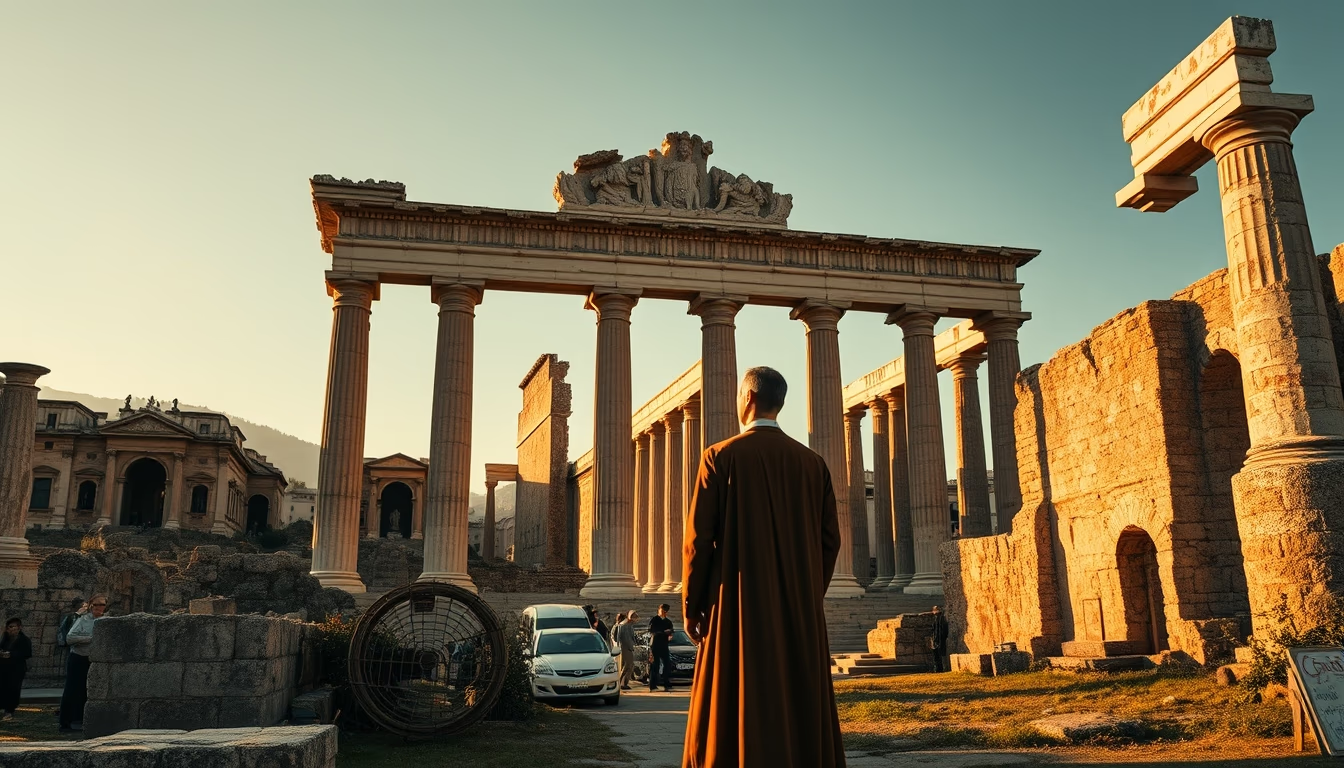
Pompeii frescoes reveal 1st-century Roman daily life, mythology, and art, preserved by the eruption of Mount Vesuvius in 79 AD.
About this subject
The frescoes of Pompeii are wall paintings executed using the true fresco technique, where pigments are applied onto wet plaster, becoming permanent as it dries. This technique, widely used in ancient Rome, allowed the decoration of walls in houses, villas, and public buildings with vibrant scenes. The eruption of Mount Vesuvius in 79 AD covered the city with ash and lapilli, creating an anaerobic environment that preserved these works for centuries, protecting them from natural decay and human intervention.
The themes of the frescoes are varied: from still lifes and landscapes to mythological scenes and portraits of historical figures. Famous examples include the frescoes of the Villa of the Mysteries, which depict Dionysian rituals, and those of the House of the Vettii, with scenes of love and mythology. These paintings not only demonstrate the technical skill of Roman artists but also offer clues about religious beliefs, social life, and domestic customs.
The frescoes also reveal influences from Greek and Hellenistic art, adapted to the archaeological and vintage tastes of Romans. The color palette included intense reds (like the famous "Pompeian red"), yellows, blues, and greens, obtained from natural minerals. Unfortunately, many frescoes suffered damage during early excavations and exposure to air, leading to modern conservation efforts to stabilize them and document them digitally. Today, the frescoes are part of the archaeological sites of Pompeii and Herculaneum, both UNESCO World Heritage sites, attracting millions of visitors annually and continuing to inspire interdisciplinary studies.
Frequently Asked Questions
What are the Pompeii frescoes?
They are wall paintings made using the true fresco technique, where pigments are applied on wet plaster. They decorated Roman houses and buildings and were preserved by the eruption of Mount Vesuvius in 79 AD.
What themes are common in Pompeian frescoes?
Themes include mythology, daily life scenes, still lifes, landscapes, and portraits. Many show Greek and Hellenistic influences adapted to Roman taste.
How were the frescoes preserved for so long?
The volcanic eruption covered Pompeii with ash and lapilli, creating an oxygen-free environment that prevented decay. Modern excavations and conservation techniques help maintain them.
Direct URL
https://pub-c7d6a6ea828543ac903a74a341ccb2e1.r2.dev/imagens/pompeii-ruins-fresco-cinematic-wide-shot-p10.avifHow to credit
Include a visible link back to UtilizAí. Copy one of the snippets below:
<a href="https://xn--utiliza-eza.com/en/midia/imagens/pompeii-ruins-fresco-cinematic-wide-shot-p10">Pompeii ruins fresco</a> by <a href="https://xn--utiliza-eza.com">UtilizAí</a>, licensed under <a href="https://creativecommons.org/licenses/by/4.0/">CC BY 4.0</a>.
[Pompeii ruins fresco](https://xn--utiliza-eza.com/en/midia/imagens/pompeii-ruins-fresco-cinematic-wide-shot-p10) by [UtilizAí](https://xn--utiliza-eza.com), CC BY 4.0
License: CC-BY-4.0