Planet jupiter atmosphere
1344×768 · AVIF · CC BY 4.0
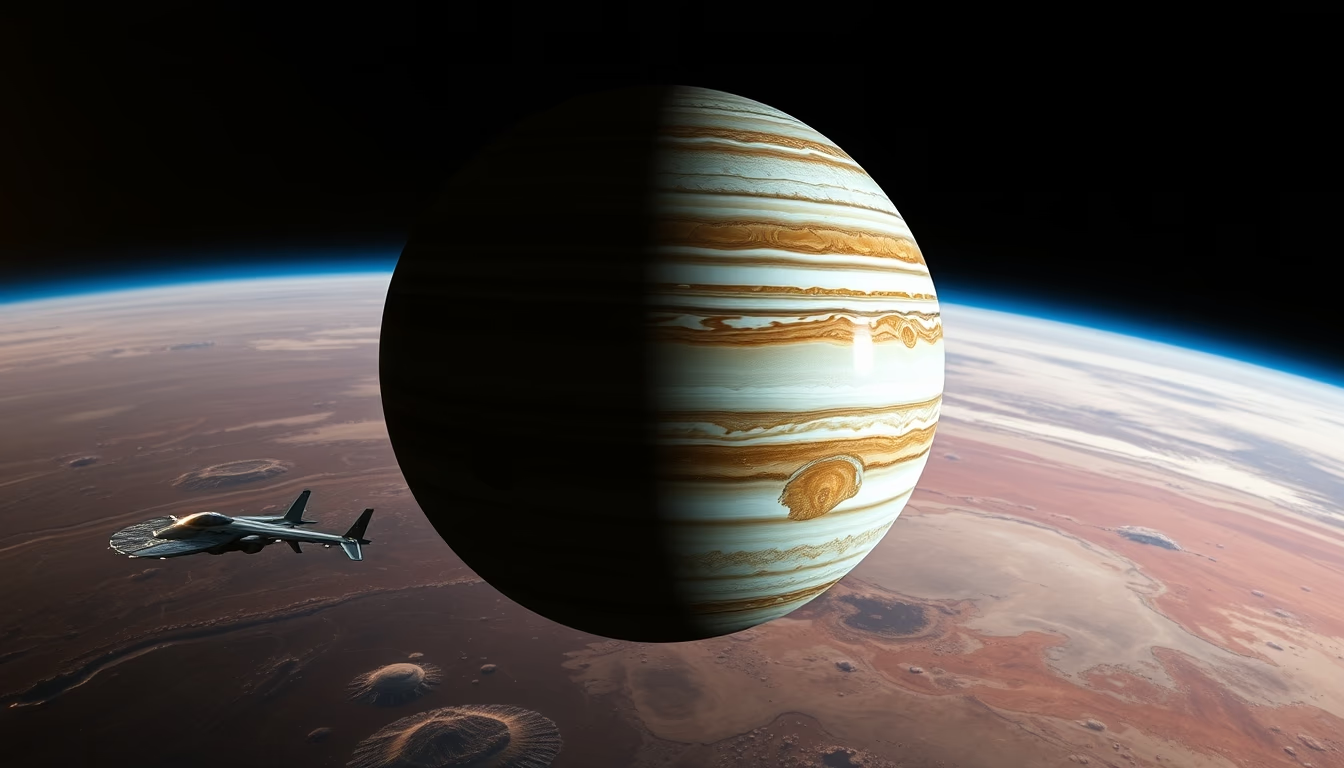
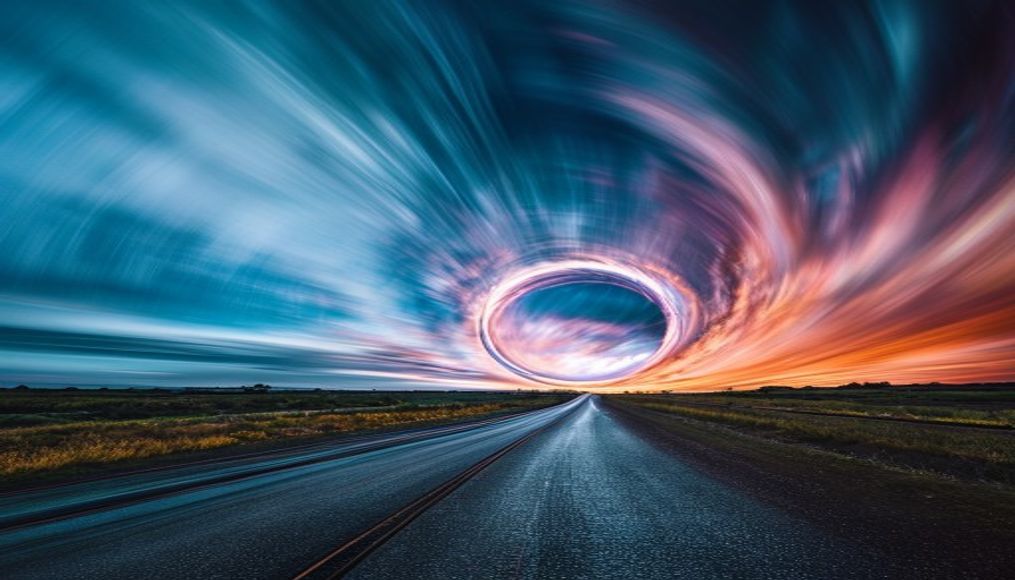
Jupiter, the largest planet in the Solar System, has a turbulent atmosphere with colorful bands and giant storms like the Great Red Spot.
About this subject
Jupiter's atmosphere is composed primarily of hydrogen (about 90%) and helium (10%), with traces of methane, ammonia, water vapor, and other compounds. This composition is similar to that of the Sun, reflecting the planet's origin from the same primordial nebula. The characteristic bands, visible even with amateur telescopes, are formed by jet streams that alternate in direction and speed, creating light zones (where air rises) and dark belts (where air sinks). These bands change color due to different chemical compounds: reddish and brown hues come from hydrocarbons and sulfur/phosphorus compounds, while the white of the zones is likely ammonia ice.
The most famous feature of Jupiter's atmosphere is the Great Red Spot, a giant anticyclonic storm that has lasted at least 350 years (observed since the 17th century) and is about 1.3 times the diameter of Earth. The reddish color of the spot is not fully explained, but it is believed to be due to complex organic compounds or phosphorus. Similar but smaller storms are common on Jupiter, such as recent white ovals and Oval BA (which turned red in 2006).
The atmosphere also has a system of polar auroras, generated by the interaction of the planet's magnetic field with charged particles from the Sun and its moon Io. Unlike Earth's auroras, Jupiter's are constant and emit X-rays and ultraviolet. NASA's Juno spacecraft, orbiting Jupiter since 2016, has returned detailed data on atmospheric structure, revealing that the bands extend hundreds of kilometers below the cloud tops, and that the planet's interior may contain a diluted core of heavy elements.
Fun fact: the atmospheric pressure at Jupiter's cloud tops is about 0.7 bar (similar to Earth's sea level), but at depths of only 100 km the pressure is tens of times higher. Equatorial winds can exceed 600 km/h, making Jupiter the planet with the fastest winds in the Solar System.
Frequently Asked Questions
Why is the Great Red Spot red?
The reddish color of the Great Red Spot is not fully understood, but it is believed to be caused by complex organic compounds, such as hydrocarbons with sulfur, or by phosphorus rising from deeper atmospheric layers.
Does Jupiter have seasons?
Jupiter has a very small axial tilt (about 3 degrees), which means it does not experience significant seasons like Earth. Seasonal variations are minimal, and the atmosphere is dominated by global circulation patterns.
What is the temperature in Jupiter's atmosphere?
At the cloud tops, the temperature is approximately -145 °C. Deeper in the atmosphere, the temperature increases with pressure, reaching thousands of degrees in the planet's interior.
Direct URL
https://pub-c7d6a6ea828543ac903a74a341ccb2e1.r2.dev/imagens/planet-jupiter-atmosphere-studio-editorial-portrait-p0.avifHow to credit
Include a visible link back to UtilizAí. Copy one of the snippets below:
<a href="https://xn--utiliza-eza.com/en/midia/imagens/planet-jupiter-atmosphere-studio-editorial-portrait-p0">Planet jupiter atmosphere</a> by <a href="https://xn--utiliza-eza.com">UtilizAí</a>, licensed under <a href="https://creativecommons.org/licenses/by/4.0/">CC BY 4.0</a>.
[Planet jupiter atmosphere](https://xn--utiliza-eza.com/en/midia/imagens/planet-jupiter-atmosphere-studio-editorial-portrait-p0) by [UtilizAí](https://xn--utiliza-eza.com), CC BY 4.0
License: CC-BY-4.0