Plane wood shaving
1344×768 · AVIF · CC BY 4.0
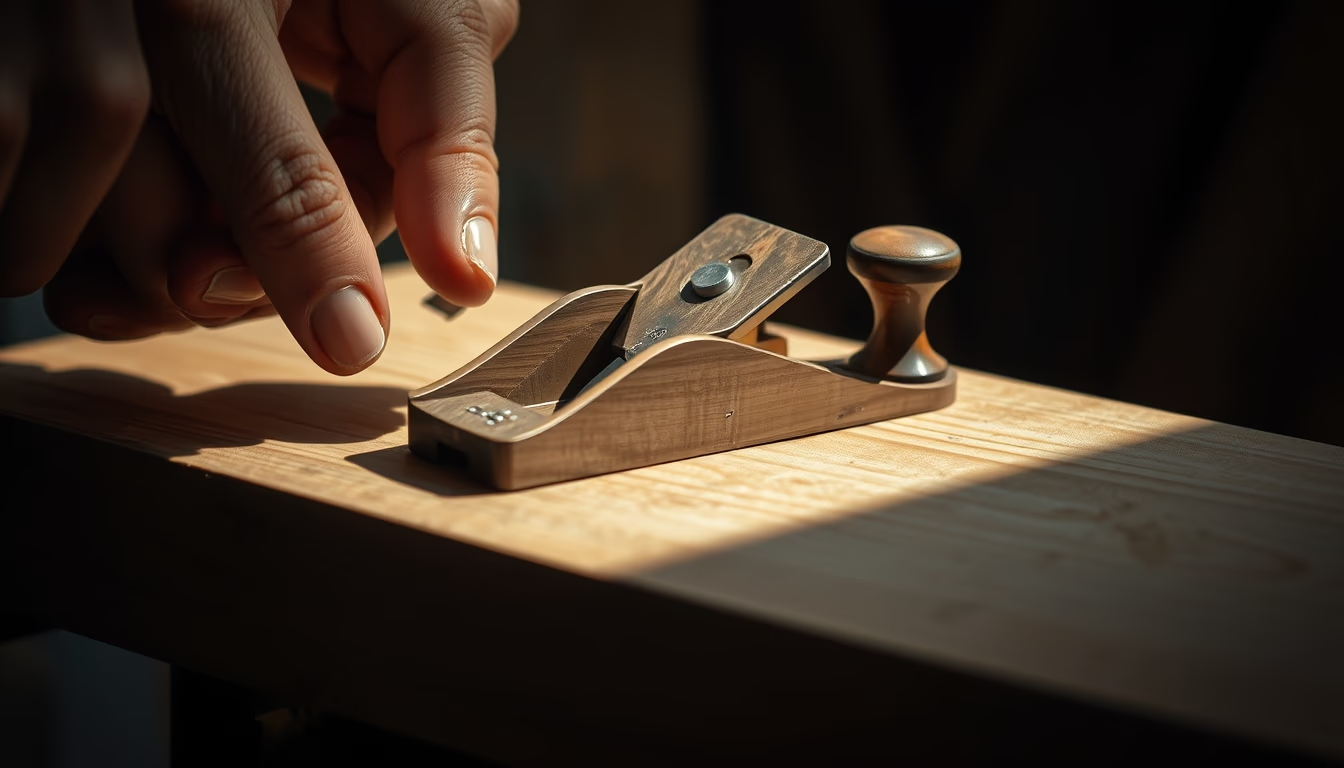
Discover traditional woodworking with the hand plane, a centuries-old tool that turns rough wood into smooth and precise surfaces.
About this subject
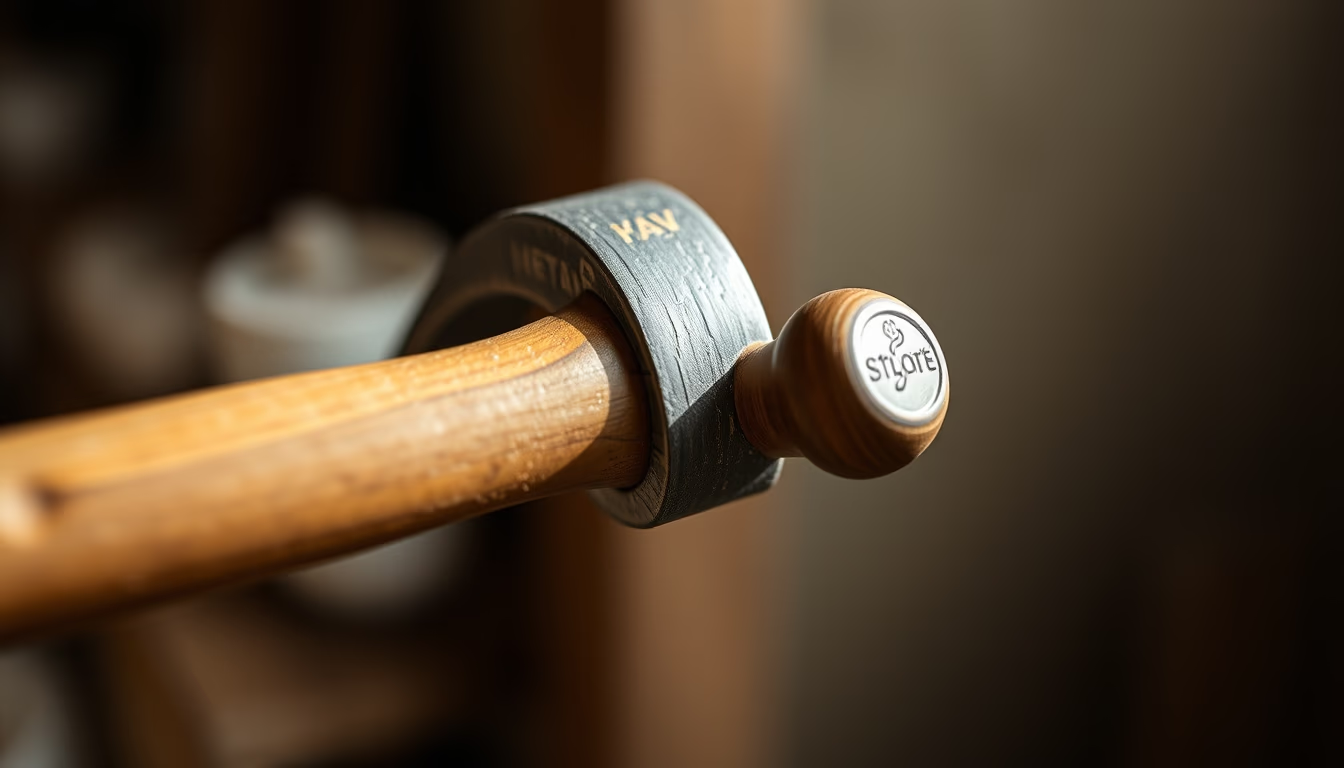
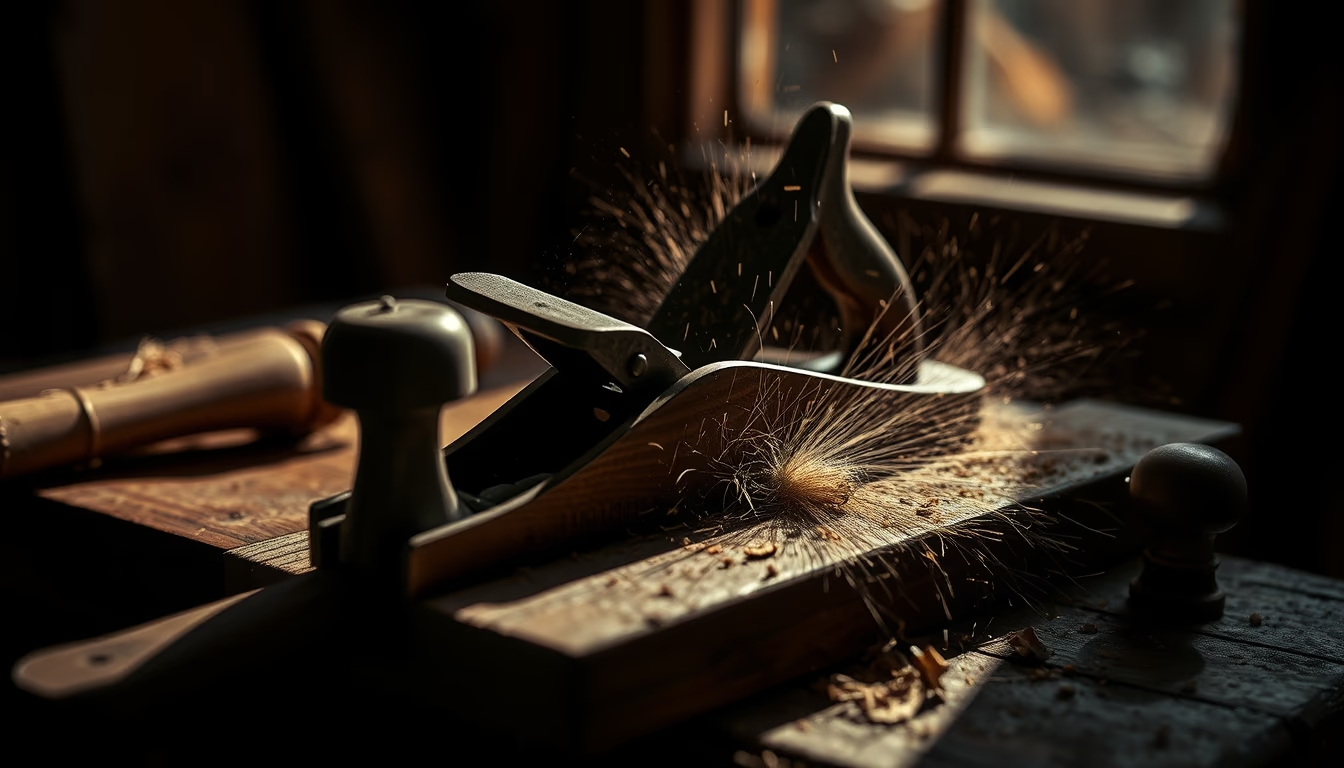
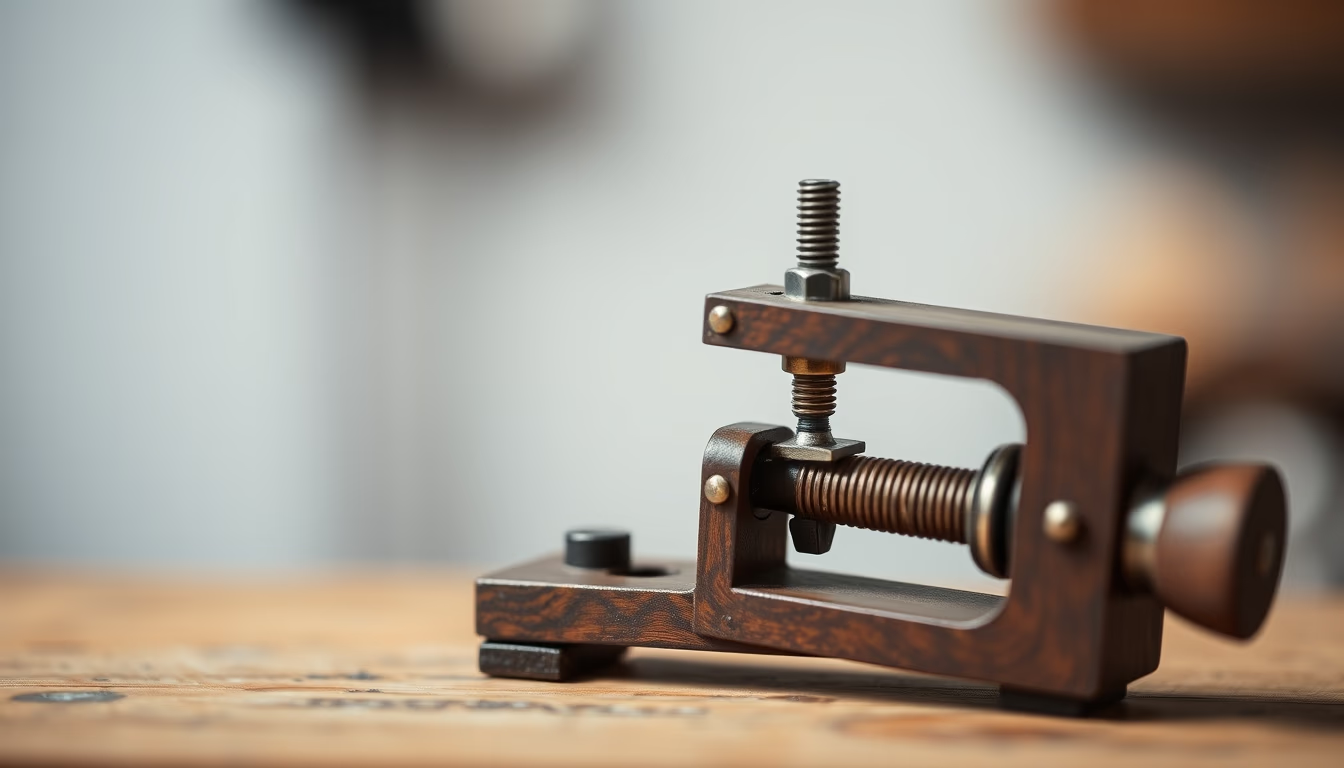
The hand plane is one of the most emblematic tools of traditional woodworking. Used for millennia, since the Egyptians and Romans, it consists of a metal or wood body, an adjustable blade (iron), and a wedge that secures it. The user pushes the plane over the wood, removing thin layers (shavings) to smooth, flatten, or reduce thickness.
There are various types of planes, each for a specific purpose. The jack plane is used for rapid material removal; the smoothing plane leaves a polished surface; and the block plane is ideal for cross-grain cuts. Each has precise adjustments for mouth opening and cutting depth.
In Brazil, bench woodworking played a key role in producing colonial and ecclesiastical furniture. Tools like the plane were often inherited from master to apprentice. Even today, craftsmen value antique planes from brands like Stanley and Record, which produce thin, continuous shavings indicative of a sharp edge.
Beyond its practical function, the hand plane symbolizes patience and manual skill. The sound of metal cutting wood and the smell of the shavings are unique sensory experiences in the workshop. Proper technique requires body posture, arm strength, and tactile sensitivity to feel the thickness of the cut.
Frequently Asked Questions
What is the difference between a hand plane and an electric plane?
A hand plane requires strength and technique but offers superior control and surface finish. An electric plane is faster but can cause tear-out if misused and leaves rotation marks.
How do you sharpen a plane iron?
The iron should be honed on water stones (1000, 4000, and 8000 grit) or a grinding machine with an angle guide. The edge must be straight and burr-free. After honing, the cap (chip breaker) is lapped to prevent clogging.
Why are plane shavings sometimes called 'curls'?
In woodworking jargon, thin, continuous shavings that curl are often called 'curls' or 'feathers'. They indicate a sharp iron and proper plane adjustment. Thick, broken shavings suggest a dull blade or poor setup.
Direct URL
https://pub-c7d6a6ea828543ac903a74a341ccb2e1.r2.dev/imagens/plane-wood-shaving-magazine-editorial-fresh5.avifHow to credit
Include a visible link back to UtilizAí. Copy one of the snippets below:
<a href="https://xn--utiliza-eza.com/en/midia/imagens/plane-wood-shaving-magazine-editorial-fresh5">Plane wood shaving</a> by <a href="https://xn--utiliza-eza.com">UtilizAí</a>, licensed under <a href="https://creativecommons.org/licenses/by/4.0/">CC BY 4.0</a>.
[Plane wood shaving](https://xn--utiliza-eza.com/en/midia/imagens/plane-wood-shaving-magazine-editorial-fresh5) by [UtilizAí](https://xn--utiliza-eza.com), CC BY 4.0
License: CC-BY-4.0