Plane wood shaving
1344×768 · AVIF · CC BY 4.0
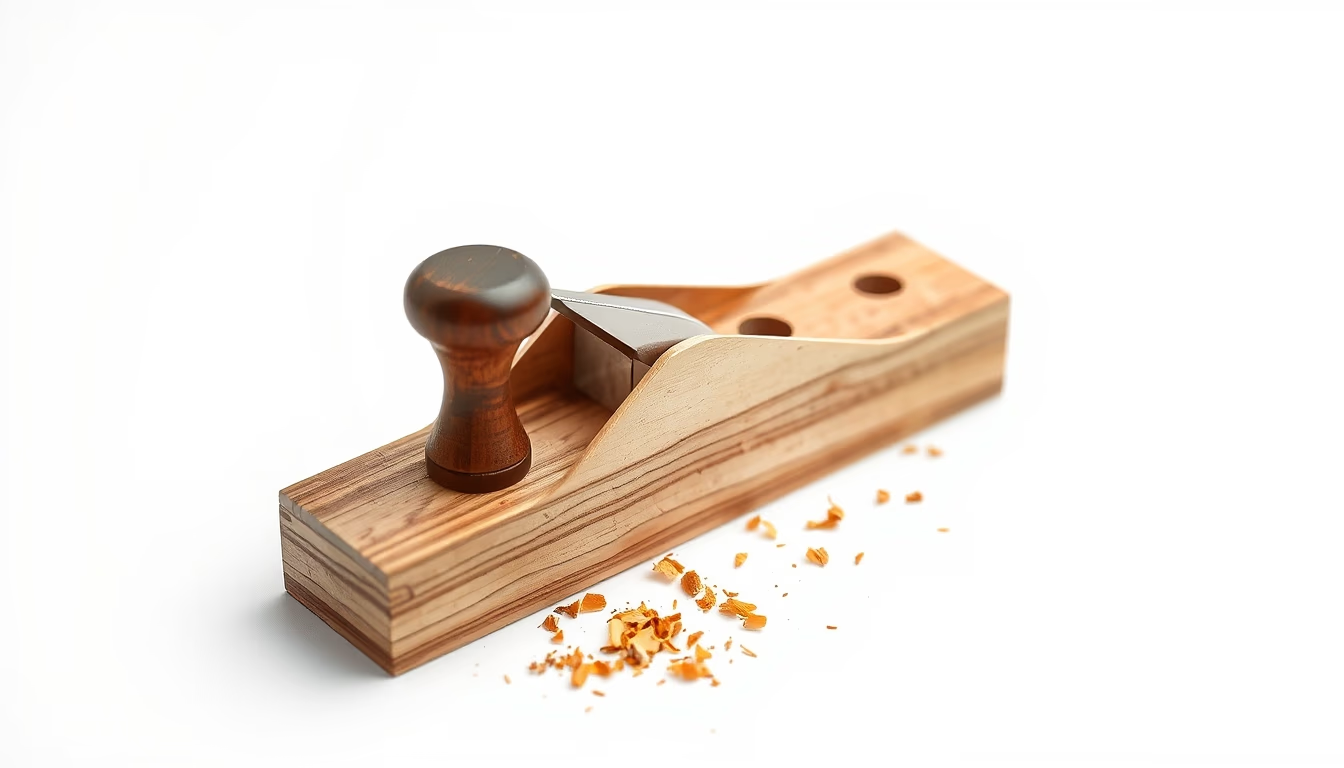
A hand plane produces thin, continuous wood shavings, showcasing the precision of traditional woodworking craftsmanship.
About this subject
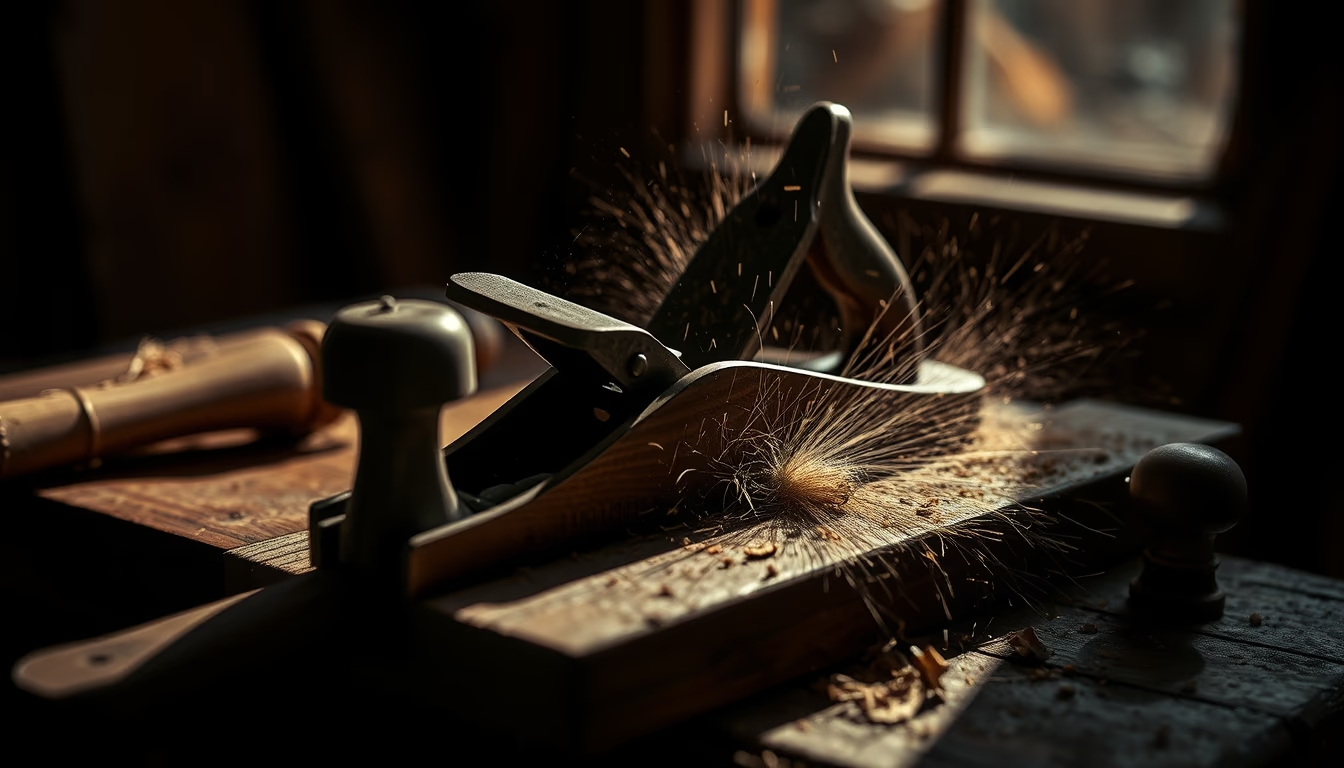
Plane wood shavings, also known as planer shavings, are the byproduct of using a hand plane, an essential tool in traditional woodworking. A hand plane is a cutting instrument that smooths and flattens wood surfaces by removing thin layers. Each pass produces a continuous, uniform shaving that varies in thickness depending on the plane iron adjustment and applied pressure. These shavings are a sign of skill: a long, even shaving indicates a sharp blade and refined technique.
Historically, the hand plane dates back to ancient civilizations, with examples found in Roman and Egyptian sites. In Brazil, it was widely used by carpenters and woodworkers until power tools became popular, but it remains valued by artisans and restorers seeking fine finishes. The wood species, such as cedar, ipe, or pine, impart unique textures and aromas to the shavings.
Plane shavings are not mere waste; they have practical uses. They can serve as natural fire starters, stuffing for crafts, or garden mulch. In workshops, they are often collected for heating furnaces or boilers. Their aesthetic appeal also makes them popular in photography and art, highlighting the beauty of worked wood.
A fun fact: the ideal thickness of a plane shaving is about 0.1 to 0.2 millimeters for fine work. Vintage planes, like those made by Stanley or Record, are collectible and can fetch hundreds of dollars depending on condition and model. The tradition of hand woodworking is being rediscovered by new generations of makers seeking a closer connection to the material.
Frequently Asked Questions
What are plane wood shavings and how are they produced?
Plane wood shavings are thin wood strips removed by a hand plane when smoothing a surface. They are produced by the plane's adjustable blade cutting the wood into continuous ribbons.
What is the importance of plane shavings in woodworking?
Shavings indicate work quality: long, even shavings show a sharp blade and good technique. They are also byproducts that can be reused as fire starters, crafts, or mulch.
Are there different types of planes that produce distinct shavings?
Yes, jack planes produce thicker shavings, while smoothing planes produce fine ones. The blade angle and mouth opening also affect the shaving shape.
Direct URL
https://pub-c7d6a6ea828543ac903a74a341ccb2e1.r2.dev/imagens/plane-wood-shaving-commercial-product-photography-fresh6.avifHow to credit
Include a visible link back to UtilizAí. Copy one of the snippets below:
<a href="https://xn--utiliza-eza.com/en/midia/imagens/plane-wood-shaving-commercial-product-photography-fresh6">Plane wood shaving</a> by <a href="https://xn--utiliza-eza.com">UtilizAí</a>, licensed under <a href="https://creativecommons.org/licenses/by/4.0/">CC BY 4.0</a>.
[Plane wood shaving](https://xn--utiliza-eza.com/en/midia/imagens/plane-wood-shaving-commercial-product-photography-fresh6) by [UtilizAí](https://xn--utiliza-eza.com), CC BY 4.0
License: CC-BY-4.0