Photosynthesis chloroplast
1344×768 · AVIF · CC BY 4.0
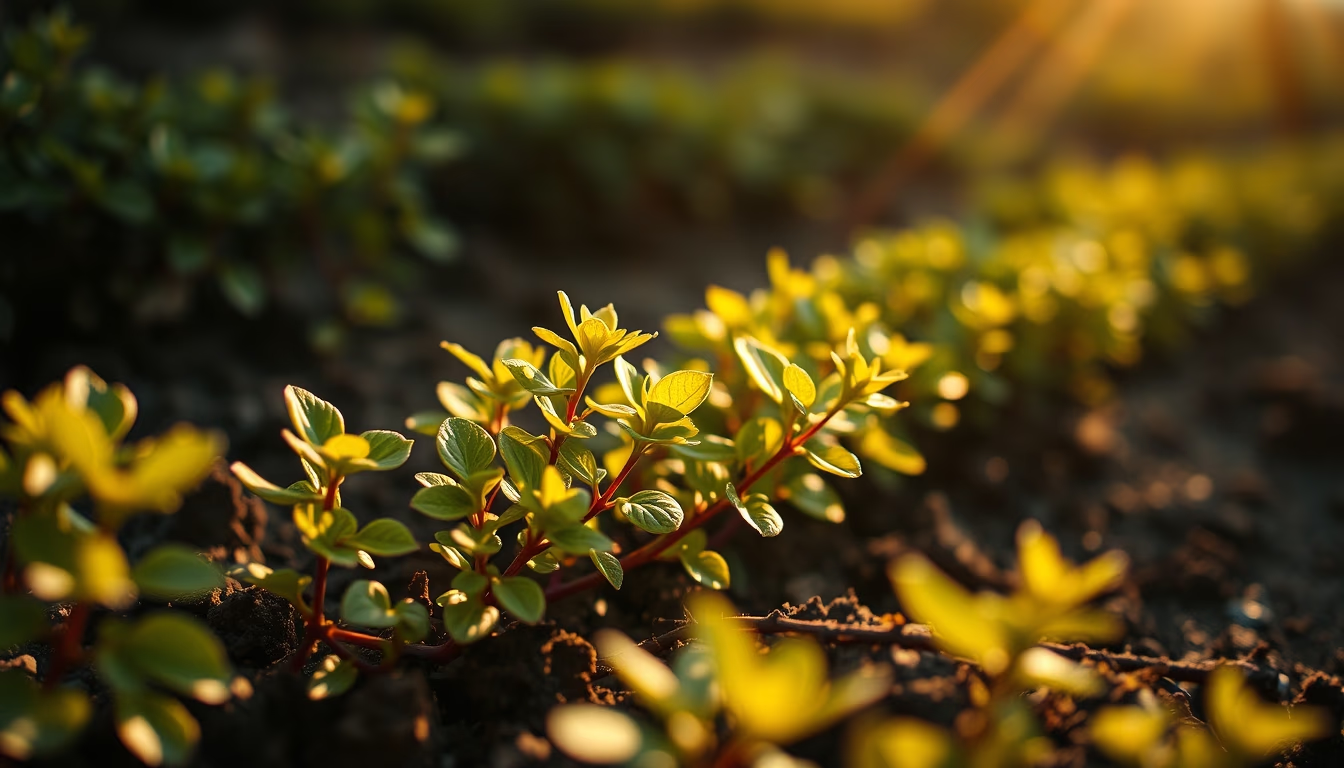
The chloroplast is the organelle responsible for photosynthesis in plant cells and algae, converting sunlight into chemical energy (glucose) through chlorophyll.
About this subject
Chloroplasts are organelles found in plant cells, algae, and some protists. They are the primary sites of photosynthesis, the process by which light energy is converted into chemical energy stored in glucose molecules. Chlorophyll, the green pigment, absorbs sunlight and initiates a series of reactions producing ATP and NADPH, used in the Calvin cycle to fix carbon dioxide into carbohydrates.
Chloroplasts have a complex structure with internal membranes called thylakoids, where light-dependent reactions occur. These thylakoids are stacked into grana. Between the thylakoids is the stroma, a fluid where light-independent reactions take place. Besides photosynthesis, chloroplasts are involved in fatty acid and amino acid synthesis.
The origin of chloroplasts is explained by the endosymbiotic theory: they are believed to have evolved from cyanobacteria that were engulfed by ancestral eukaryotic cells, establishing a symbiotic relationship. Evidence includes their own circular DNA and ribosomes similar to bacterial ones.
Chloroplasts are vital for life on Earth, producing oxygen and organic matter that support most ecosystems. Understanding their function is key for advances in agriculture and biofuel production.
Frequently Asked Questions
What is photosynthesis?
Photosynthesis is the process by which plants, algae, and some bacteria convert sunlight, water, and carbon dioxide into glucose and oxygen, using chlorophyll in chloroplasts.
What is the difference between chloroplasts and mitochondria?
Chloroplasts perform photosynthesis, converting light energy into chemical energy, while mitochondria perform cellular respiration, converting glucose into ATP. Both are double-membrane organelles with their own DNA.
Why are leaves green?
Leaves are green because chlorophyll in chloroplasts absorbs blue and red light, reflecting green light, which our eyes perceive.
Direct URL
https://pub-c7d6a6ea828543ac903a74a341ccb2e1.r2.dev/imagens/photosynthesis-chloroplast-travel-photography-p2.avifHow to credit
Include a visible link back to UtilizAí. Copy one of the snippets below:
<a href="https://xn--utiliza-eza.com/en/midia/imagens/photosynthesis-chloroplast-travel-photography-p2">Photosynthesis chloroplast</a> by <a href="https://xn--utiliza-eza.com">UtilizAí</a>, licensed under <a href="https://creativecommons.org/licenses/by/4.0/">CC BY 4.0</a>.
[Photosynthesis chloroplast](https://xn--utiliza-eza.com/en/midia/imagens/photosynthesis-chloroplast-travel-photography-p2) by [UtilizAí](https://xn--utiliza-eza.com), CC BY 4.0
License: CC-BY-4.0