Phone gimbal stabilizer
1344×768 · AVIF · CC BY 4.0
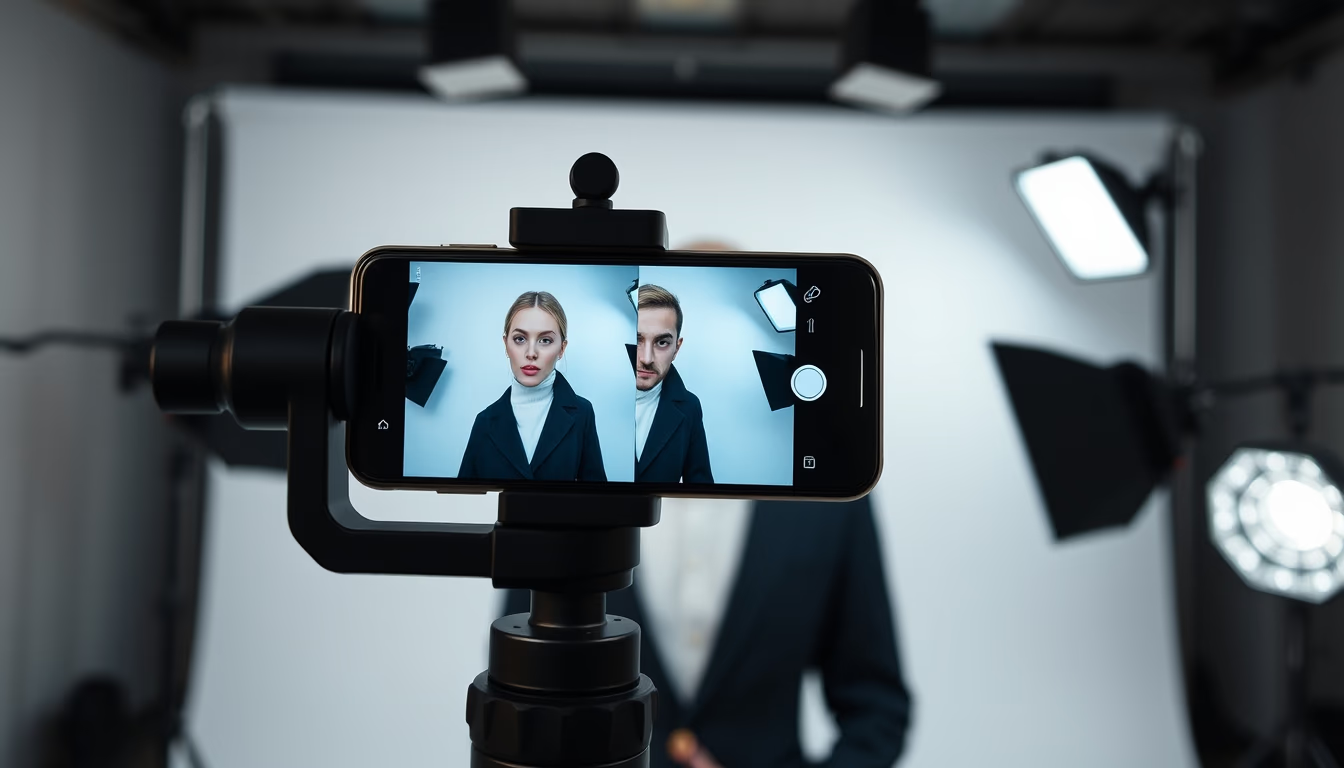
Discover how the phone gimbal stabilizer transforms video and photo capture with professional smoothness.
About this subject
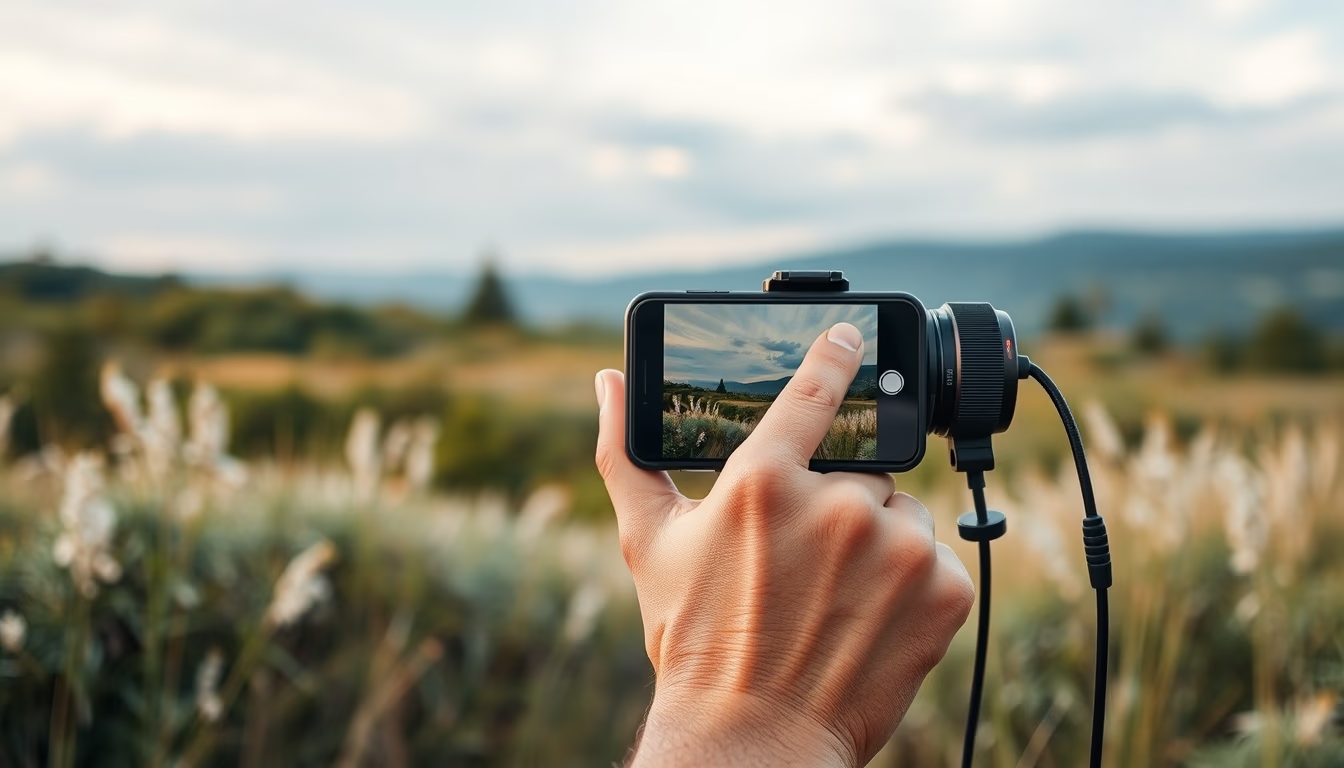
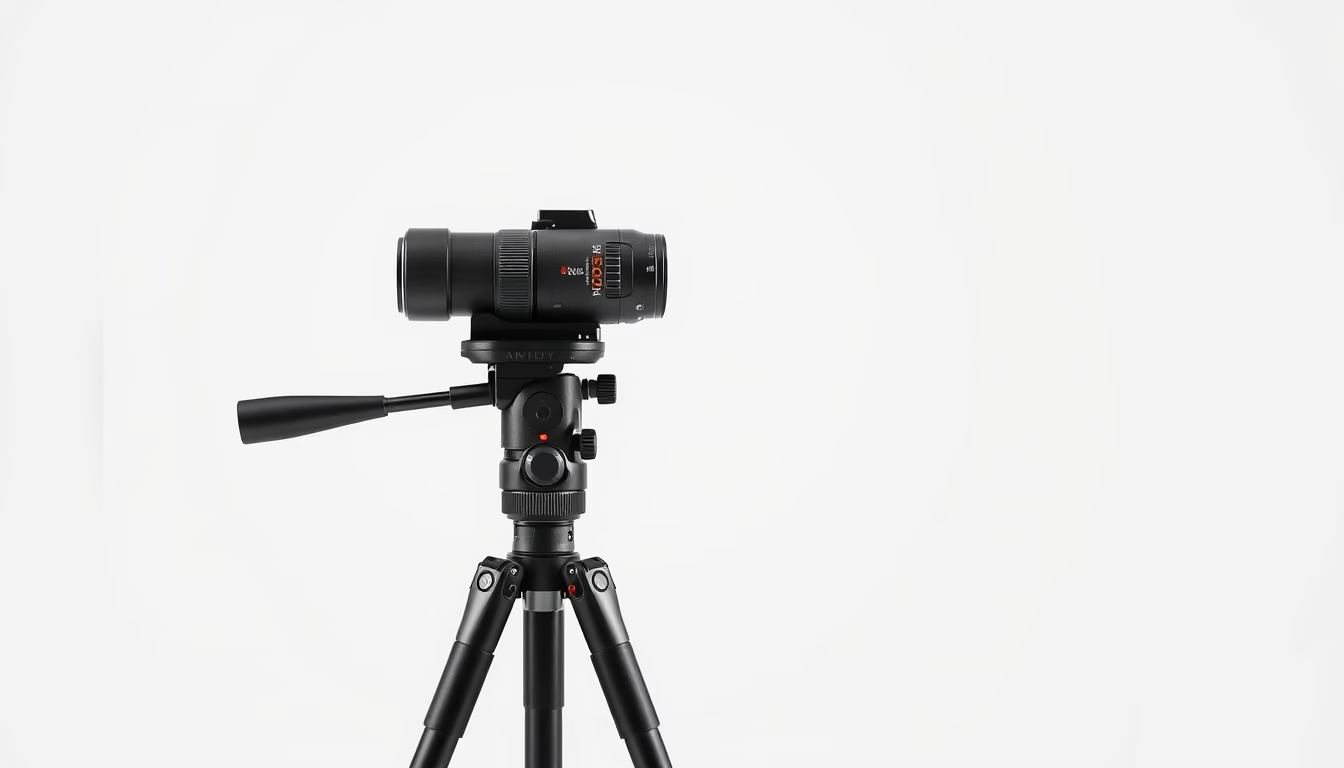
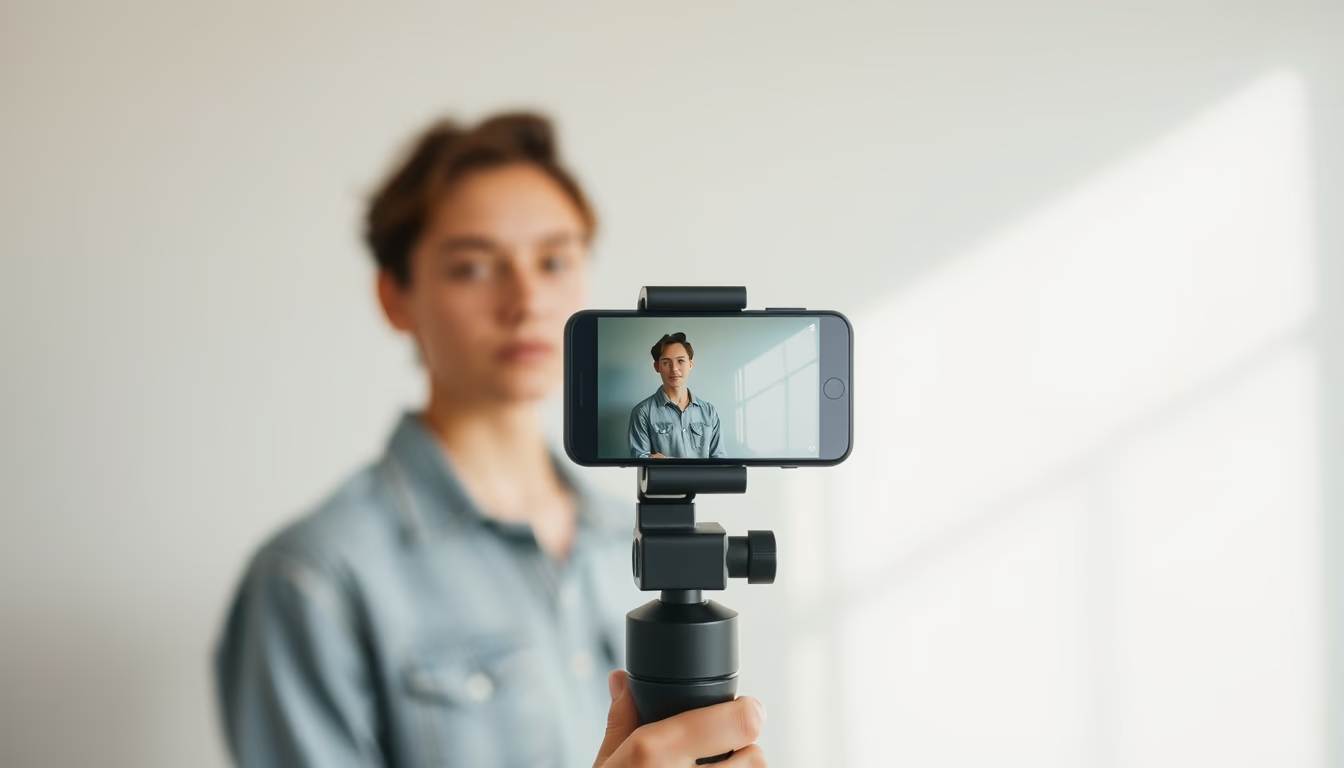
A phone gimbal stabilizer is a handheld device that uses electric motors and gyroscopic sensors to keep the smartphone camera steady during motion. It automatically compensates for hand vibrations and shakes, enabling smooth footage even while walking or running. Unlike software-based digital stabilization, which crops and processes the image, a gimbal works mechanically, preserving the original video quality.
With the rise of mobile video for platforms like YouTube, TikTok, and Instagram, gimbals have become essential for content creators. They eliminate the shaky-camera effect typical of amateur filming, bringing production closer to cinema standards. Modern models offer modes such as pan, tilt, and follow, plus manual focus and zoom controls through dedicated apps.
Leading brands like DJI, Zhiyun, and Moza dominate the market, with prices ranging from $30 to $150. Current devices support smartphones weighing up to 300 grams and feature battery life of 6 to 12 hours. Some include advanced features like AI object tracking and dynamic timelapse. Gimbal durability and precision depend on the quality of brushless motors and sensor calibration.
In practice, gimbals are ideal for vloggers, wedding videographers, journalists, and travelers who want stable footage without heavy gear. Beginners should practice basic movements like straight walking and body turns before exploring complex techniques. Maintenance involves cleaning connectors and periodic firmware updates.
Frequently Asked Questions
What is the difference between a phone stabilizer and a gimbal?
In practice, they are synonyms. 'Gimbal' specifically refers to a motorized multi-axis mechanism, while 'stabilizer' is a broader term that also includes digital or optical systems.
Will a gimbal fit any smartphone?
No. Each model has weight and size limits. Check the maximum supported weight (usually 200g to 300g) and clamp dimensions. Phones with large camera bumps or thick cases may not fit properly.
Do I need a gimbal for professional videos?
It's not mandatory, but it helps a lot. You can use tripods, sliders, or digital stabilization, but a gimbal offers the greatest freedom of movement with consistent quality. For static shots, a tripod is sufficient.
Direct URL
https://pub-c7d6a6ea828543ac903a74a341ccb2e1.r2.dev/imagens/phone-gimbal-stabilizer-studio-editorial-portrait-fresh15.avifHow to credit
Include a visible link back to UtilizAí. Copy one of the snippets below:
<a href="https://xn--utiliza-eza.com/en/midia/imagens/phone-gimbal-stabilizer-studio-editorial-portrait-fresh15">Phone gimbal stabilizer</a> by <a href="https://xn--utiliza-eza.com">UtilizAí</a>, licensed under <a href="https://creativecommons.org/licenses/by/4.0/">CC BY 4.0</a>.
[Phone gimbal stabilizer](https://xn--utiliza-eza.com/en/midia/imagens/phone-gimbal-stabilizer-studio-editorial-portrait-fresh15) by [UtilizAí](https://xn--utiliza-eza.com), CC BY 4.0
License: CC-BY-4.0