Phone gimbal stabilizer
1344×768 · AVIF · CC BY 4.0
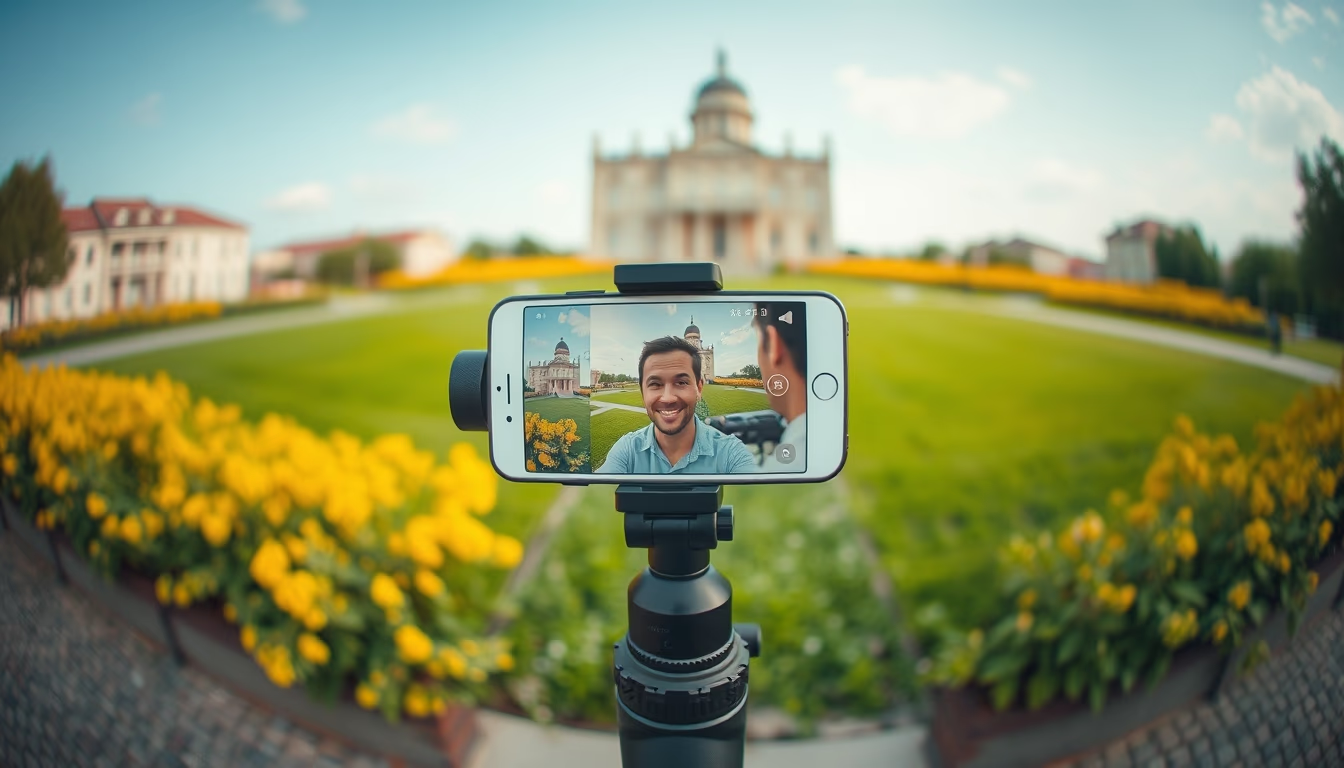
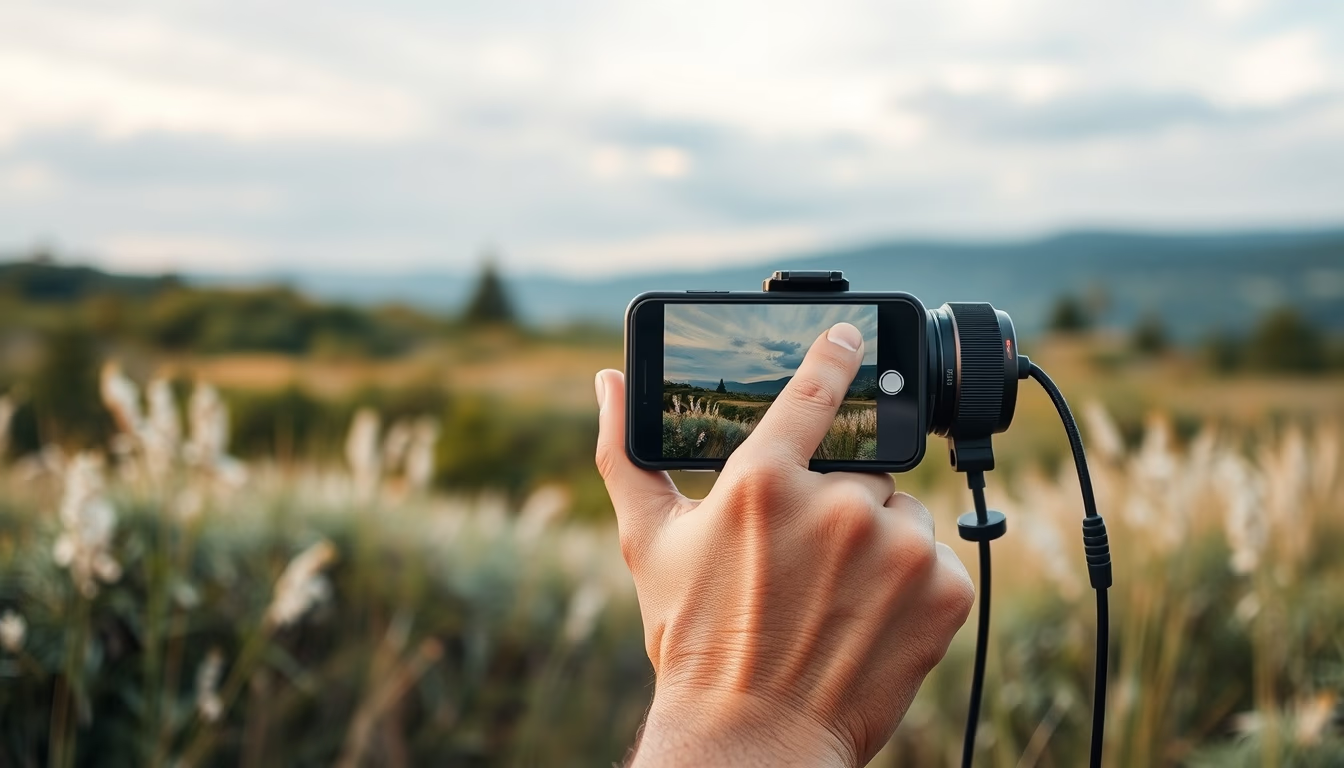
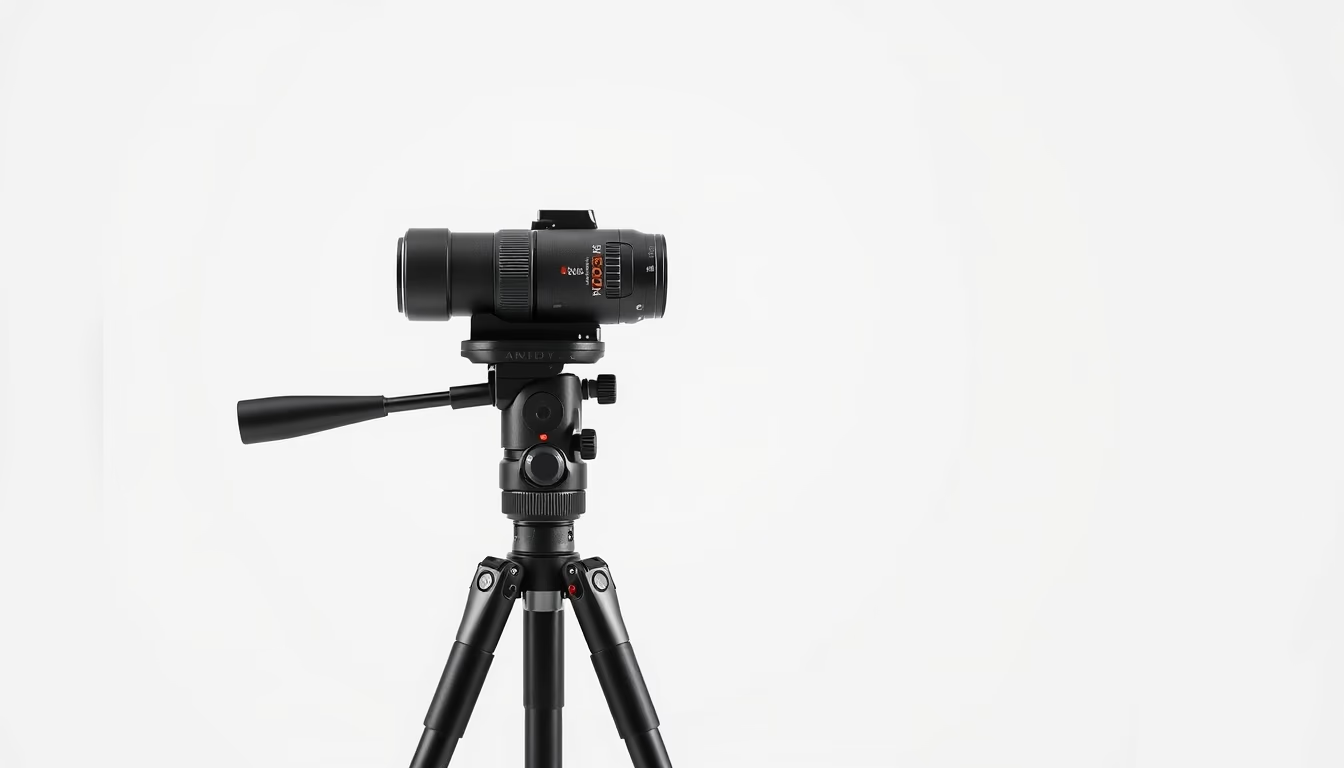
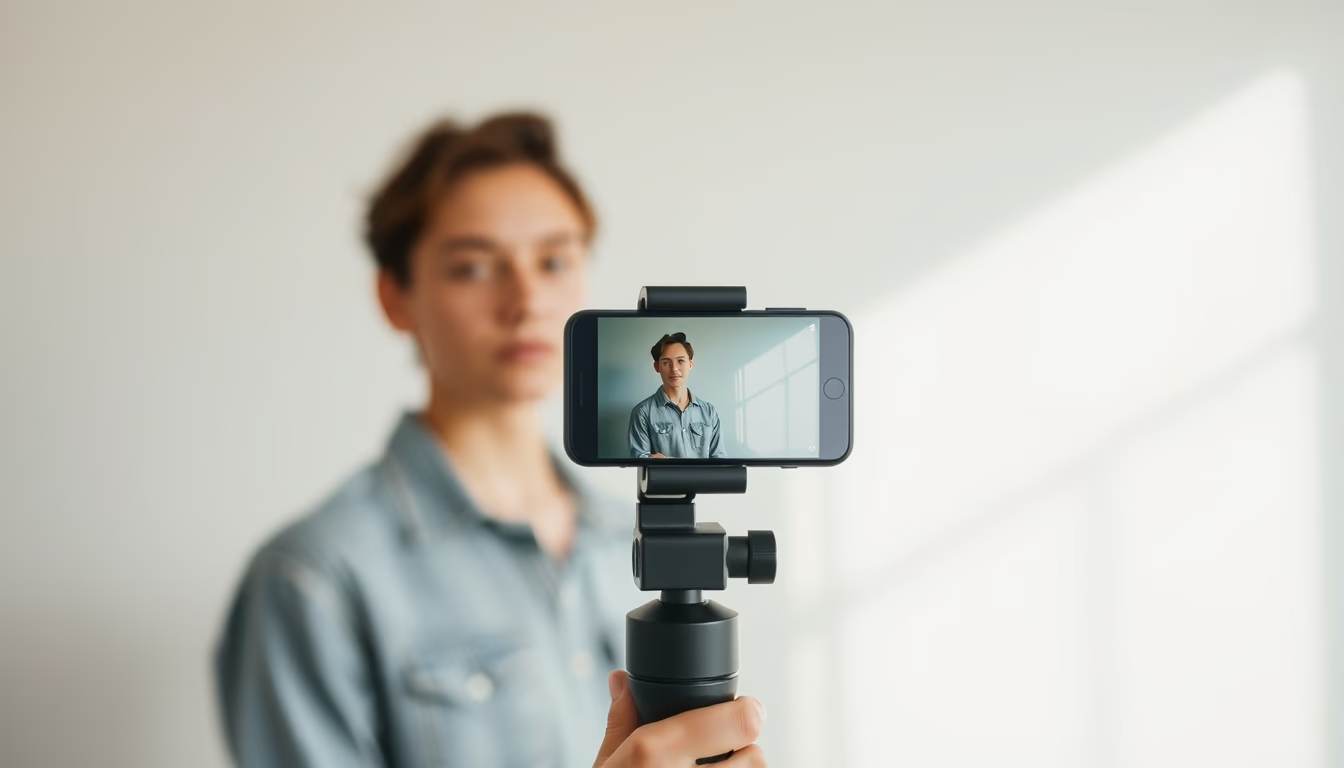
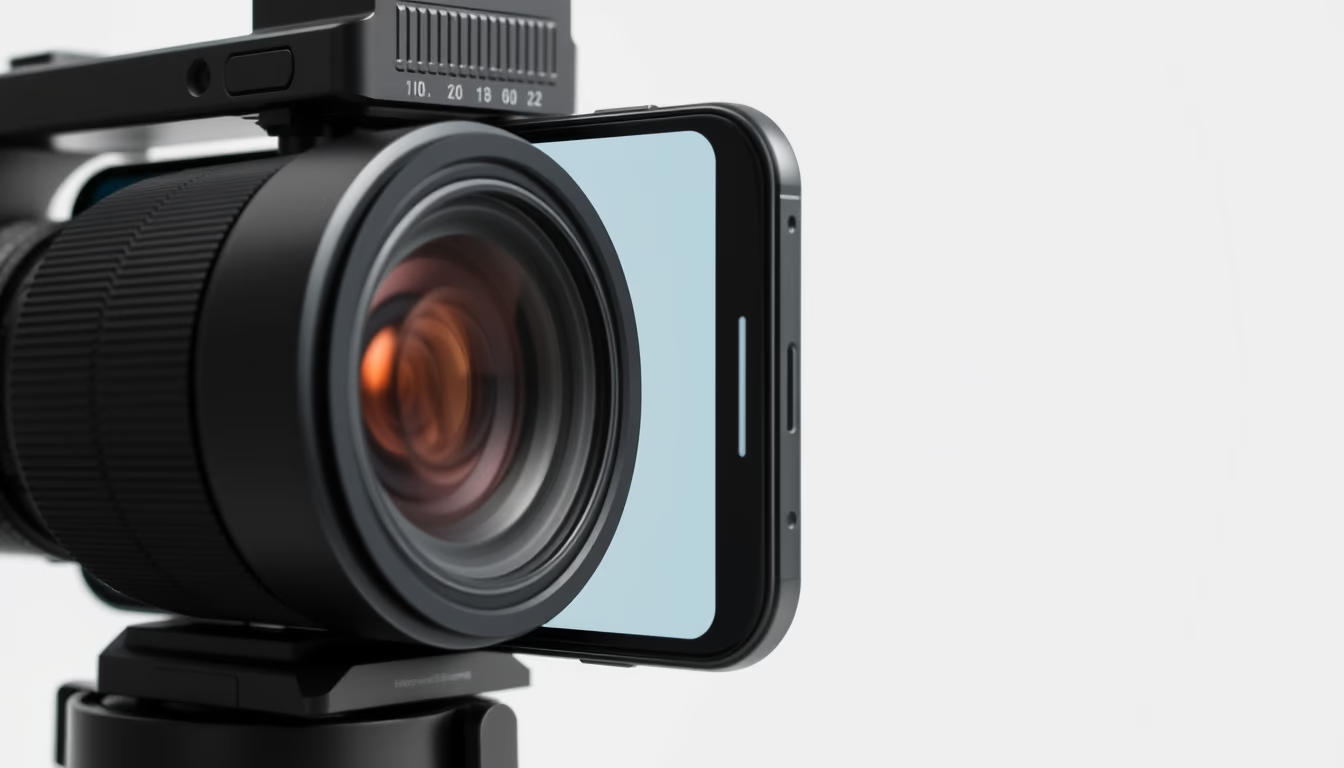
Phone gimbal stabilizer with fisheye and wide-angle lens for smooth, creative mobile video and photography.
About this subject
Phone gimbal stabilizers have revolutionized mobile video and photo capture. They use motors and motion sensors to counteract shakes and jerky movements, delivering smooth footage even while walking or tracking subjects. Modern models are compatible with most smartphones and offer modes like pan, tilt, and follow, as well as app control.
The fisheye lens provides an extremely wide field of view with characteristic distortion, ideal for landscapes, action sports, and creative effects. The wide-angle lens expands framing without excessive distortion, commonly used in vlogs and indoor recordings. This combination is popular among content creators on social media platforms like TikTok and Instagram, where dynamics and immersion matter.
In global markets, the adoption of gimbals has surged with the rise of short-form videos and live streaming. Influencers and small-scale producers use these accessories to achieve professional quality without expensive cameras. Portability and versatility allow everything from product reviews to independent documentaries with cinema-like stability.
Historically, gimbals derive from stabilization systems used in drones and professional cameras. The proliferation of smartphones with capable camera sensors drove the development of compact, affordable models. Leading brands include DJI, Zhiyun, and Hohem, with prices ranging from $30 to $300 depending on features and payload capacity.
Frequently Asked Questions
How does a phone gimbal stabilizer work?
It uses motors and gyroscopes to counteract hand movements, keeping the camera level. You can control motion via app or on-handle buttons.
What's the difference between fisheye and wide-angle lenses?
Fisheye offers up to 180° field of view with barrel distortion; wide-angle covers about 120° with digital correction, giving a more natural look for vlogs.
Do I need a gimbal to use external lenses on my phone?
Not required, but a gimbal helps reduce shakiness that external lenses can magnify, and makes framing easier in wide shots.
Direct URL
https://pub-c7d6a6ea828543ac903a74a341ccb2e1.r2.dev/imagens/phone-gimbal-stabilizer-fish-eye-wide-angle-fresh10.avifHow to credit
Include a visible link back to UtilizAí. Copy one of the snippets below:
<a href="https://xn--utiliza-eza.com/en/midia/imagens/phone-gimbal-stabilizer-fish-eye-wide-angle-fresh10">Phone gimbal stabilizer</a> by <a href="https://xn--utiliza-eza.com">UtilizAí</a>, licensed under <a href="https://creativecommons.org/licenses/by/4.0/">CC BY 4.0</a>.
[Phone gimbal stabilizer](https://xn--utiliza-eza.com/en/midia/imagens/phone-gimbal-stabilizer-fish-eye-wide-angle-fresh10) by [UtilizAí](https://xn--utiliza-eza.com), CC BY 4.0
License: CC-BY-4.0