Phone gimbal stabilizer
1344×768 · AVIF · CC BY 4.0
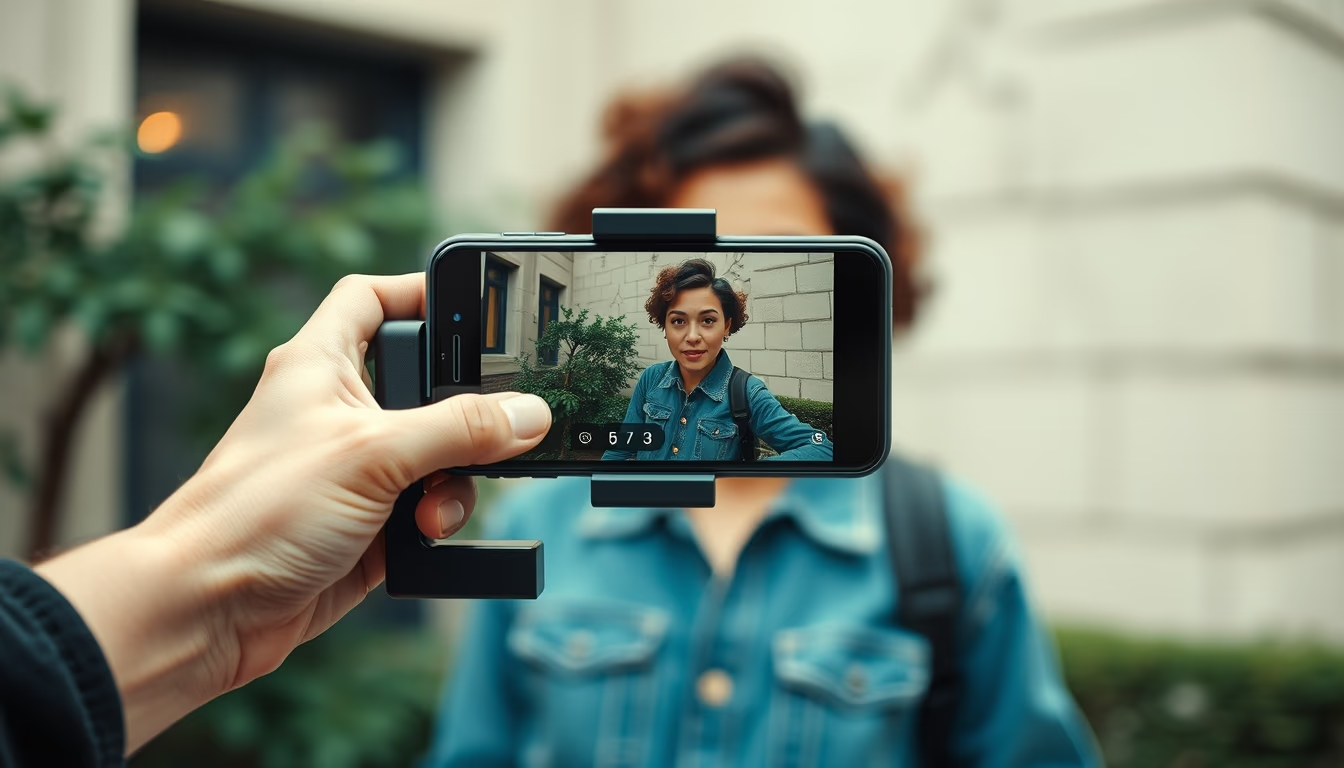
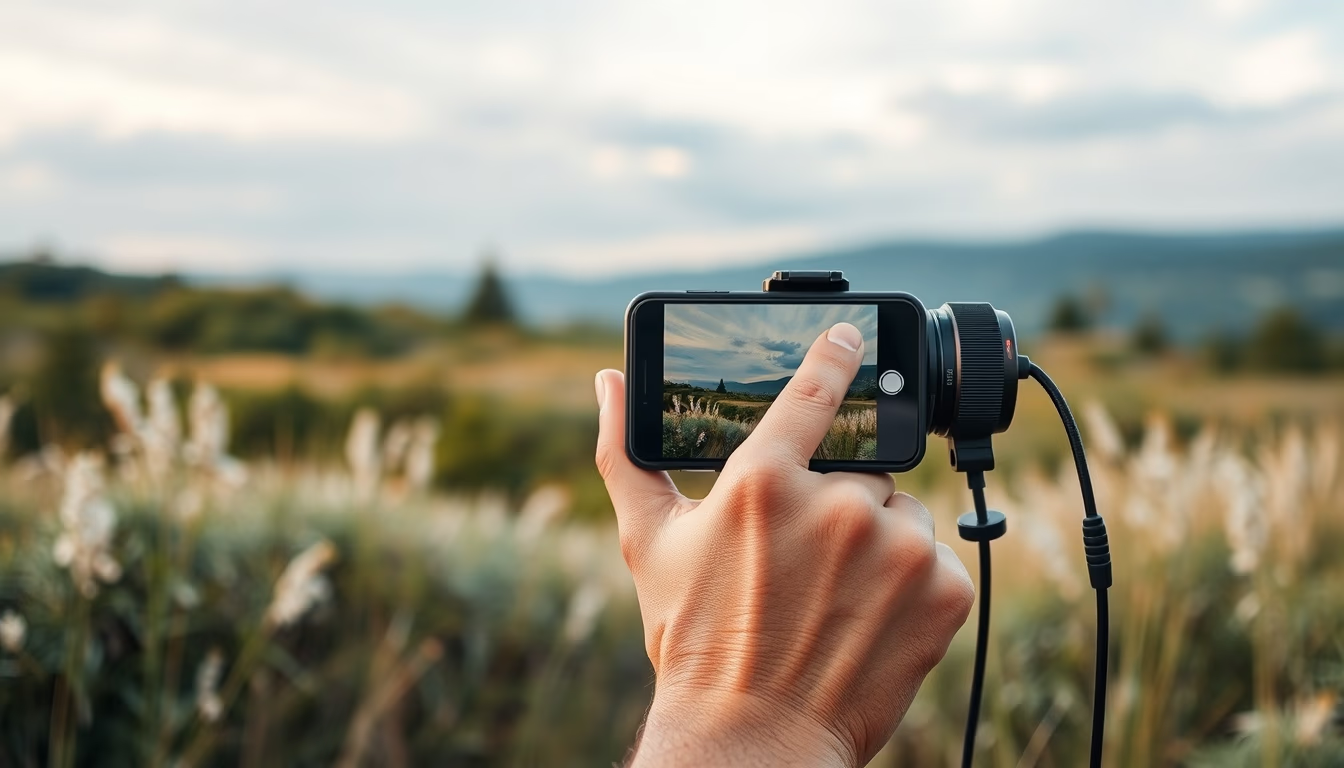
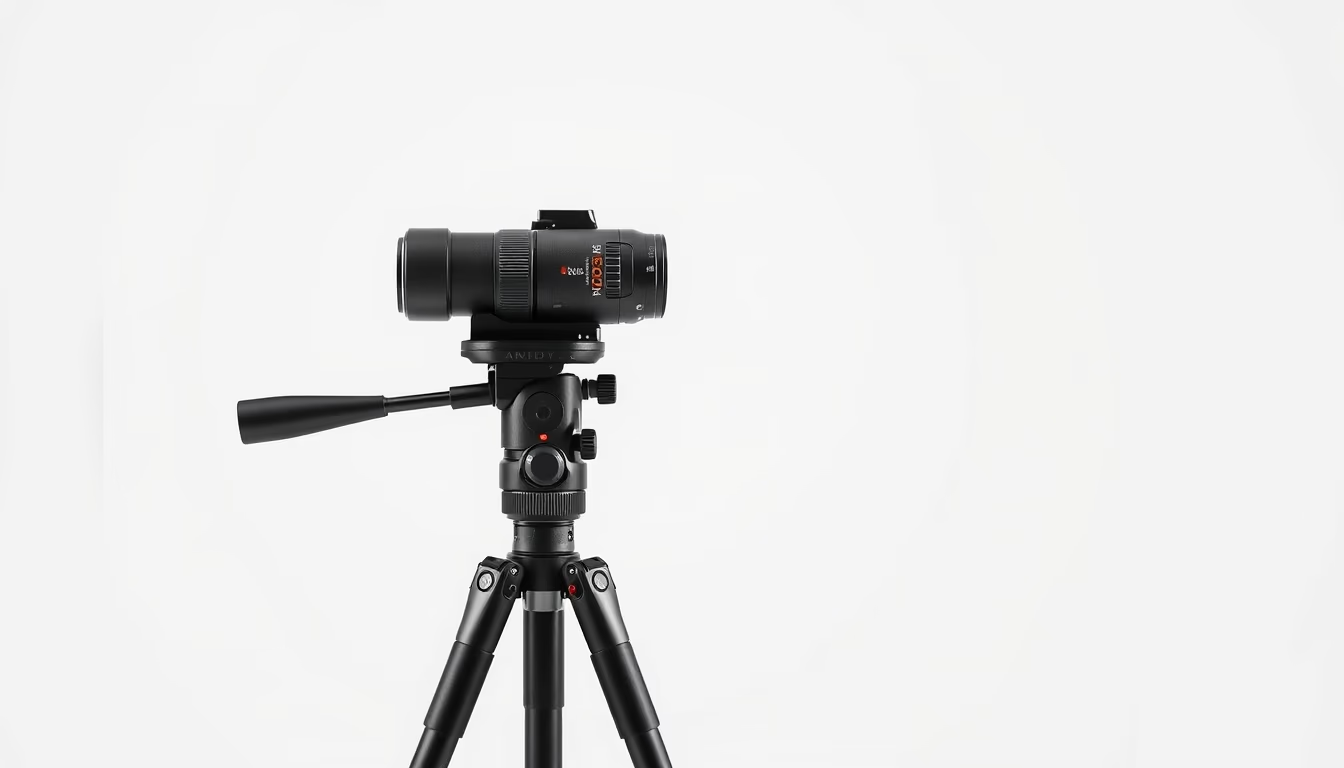
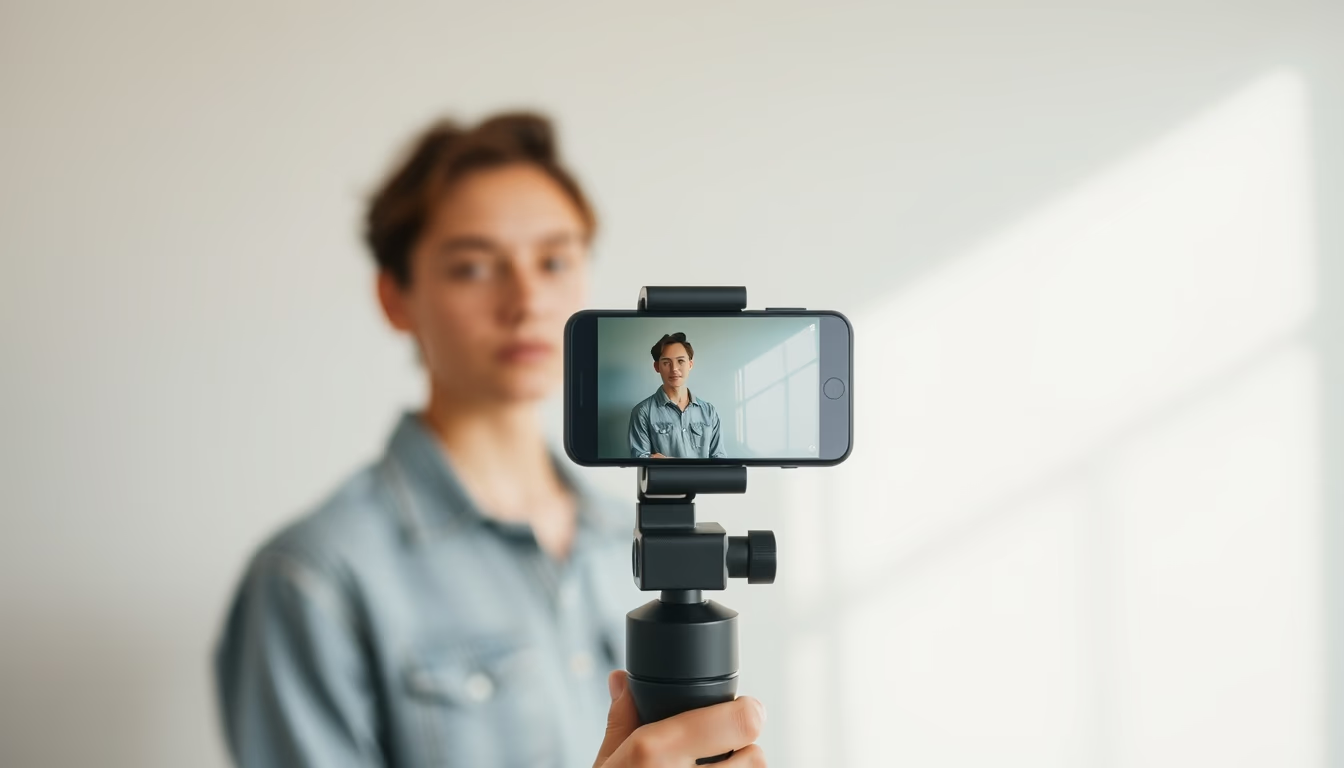
Phone gimbal stabilizer: a handheld electronic device with motors that cancels shake in videos, essential for mobile content creators.
About this subject
A phone gimbal stabilizer is a handheld device that uses electric motors and inertial sensors to keep a smartphone camera level and smooth during video recording. Unlike the built-in optical stabilization found in some phones, which corrects small movements, a gimbal operates on three axes (pan, tilt, roll) and compensates for larger motions such as walking, running, or panning. This tool has become essential for vloggers, amateur filmmakers, and professionals seeking cinematic quality without the bulk of traditional rigs.
Gimbal technology was adapted from systems used in drones and professional cameras. The first consumer models for smartphones emerged around 2014, with brands like DJI and Zhiyun leading the market. Modern stabilizers feature multiple modes: follow (camera tracks user movement), lock (keeps angle fixed), and time-lapse. Many models offer gesture control, object tracking, and dedicated apps for editing.
In practice, a gimbal transforms everyday footage into highly stable content, significantly reducing the need for post-processing. For travelers, event videographers, or tutorial creators, an entry-level gimbal (around $100 to $200) delivers professional-looking results. Advanced models cost up to $500 and may include reverse charging for the phone, longer battery life, and higher sensitivity.
Choosing the right gimbal depends on phone weight, usage frequency, and desired features. Reputable brands include DJI (Osmo Mobile), Zhiyun (Smooth), and Hohem. Always check compatibility with your phone size and whether the app supports your language. Regular calibration and firmware updates ensure consistent performance.
Frequently Asked Questions
How does a phone gimbal stabilizer work?
A gimbal uses electric motors and motion sensors (gyroscopes and accelerometers) to stabilize the camera on three axes. It detects shakes and applies corrections in real time, keeping the shot smooth even during sudden operator movements.
What is the difference between a phone's optical stabilization and a gimbal?
Optical stabilization corrects tiny vibrations at the sensor or lens level, suitable for still photos and steady video. A gimbal works externally, compensating for large movements like walking or running, and provides manual axis control for creative shots.
Do I need to calibrate the gimbal before use?
Yes, most gimbals require initial calibration to level the motors and sensors. Some models offer automatic calibration through the app, but following the manual ensures optimal stability.
Direct URL
https://pub-c7d6a6ea828543ac903a74a341ccb2e1.r2.dev/imagens/phone-gimbal-stabilizer-film-grain-authentic-fresh5.avifHow to credit
Include a visible link back to UtilizAí. Copy one of the snippets below:
<a href="https://xn--utiliza-eza.com/en/midia/imagens/phone-gimbal-stabilizer-film-grain-authentic-fresh5">Phone gimbal stabilizer</a> by <a href="https://xn--utiliza-eza.com">UtilizAí</a>, licensed under <a href="https://creativecommons.org/licenses/by/4.0/">CC BY 4.0</a>.
[Phone gimbal stabilizer](https://xn--utiliza-eza.com/en/midia/imagens/phone-gimbal-stabilizer-film-grain-authentic-fresh5) by [UtilizAí](https://xn--utiliza-eza.com), CC BY 4.0
License: CC-BY-4.0