Phone gimbal stabilizer
1344×768 · AVIF · CC BY 4.0
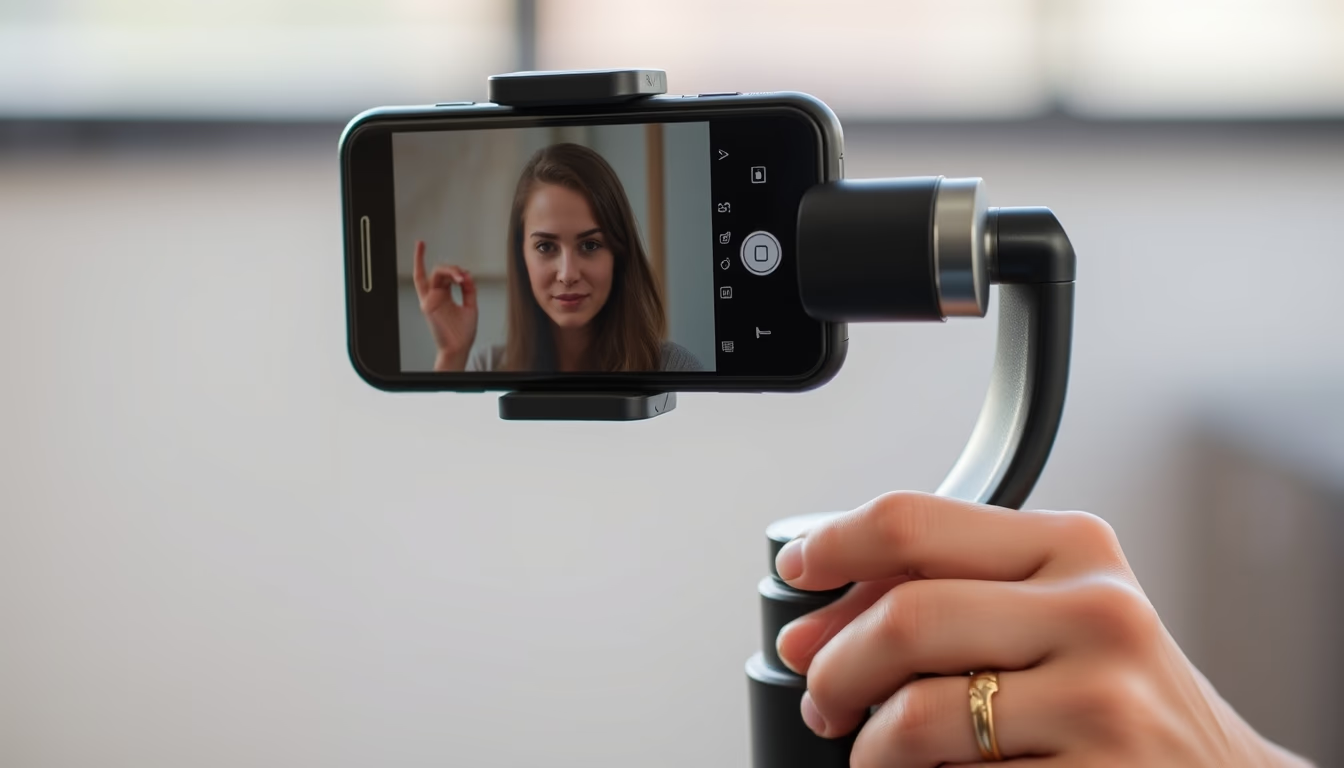
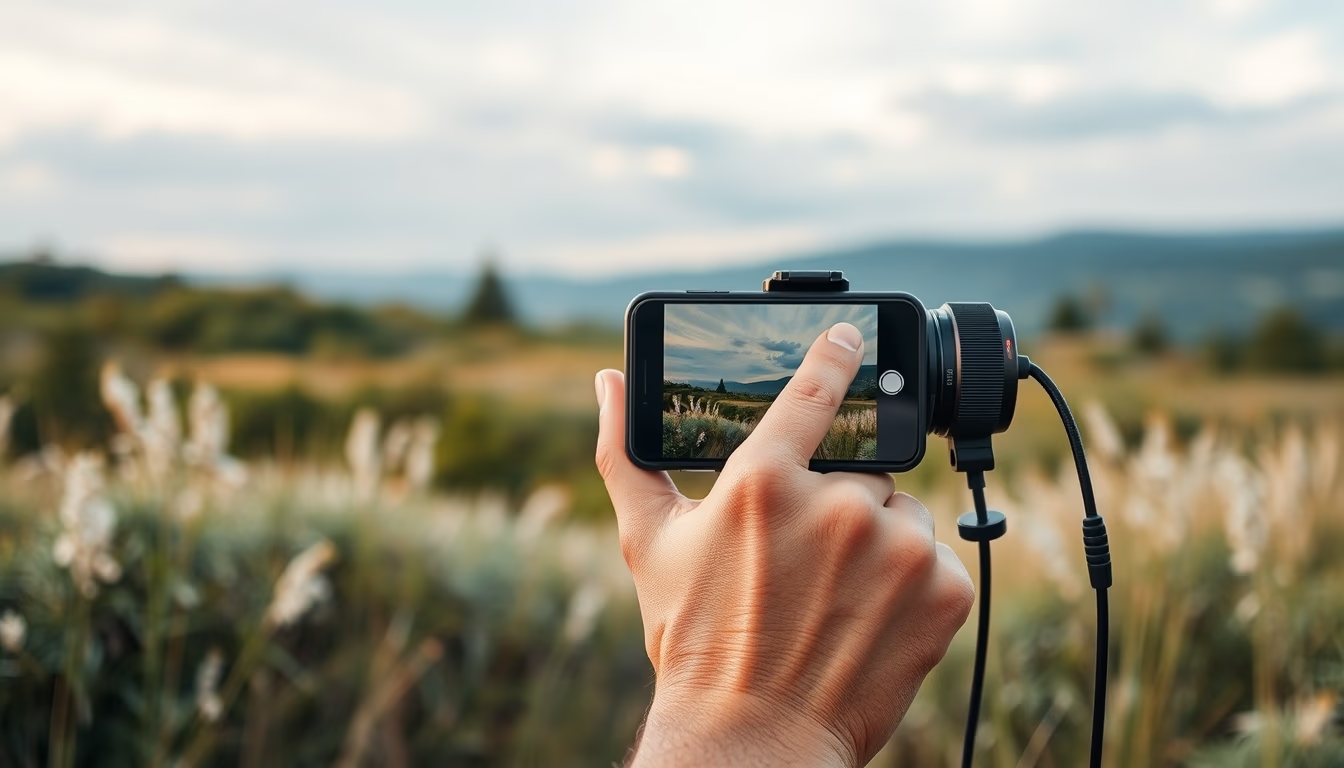
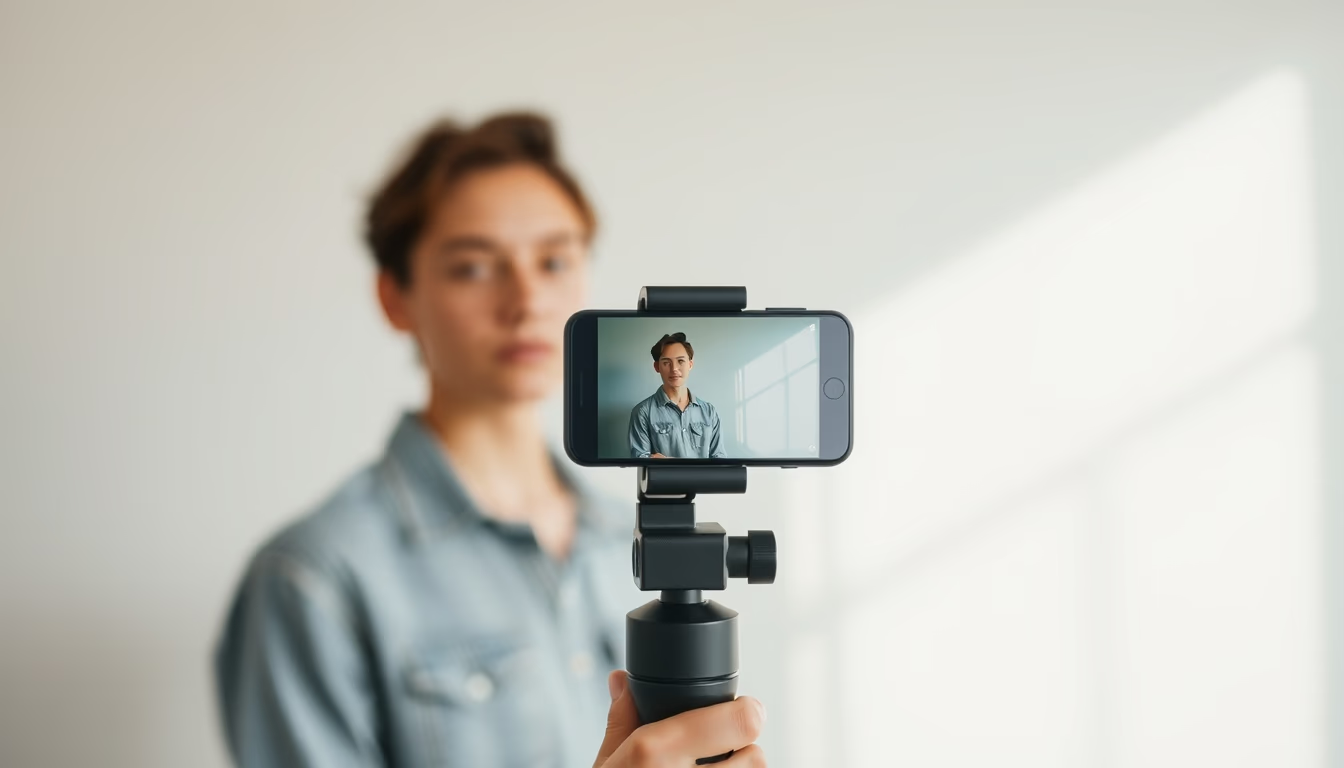
A phone gimbal stabilizer is an essential device for capturing smooth motion footage, widely used in documentaries and visual journalism.
About this subject
A phone gimbal stabilizer is a motorized device that uses sensors and algorithms to counteract unwanted camera movements, delivering smooth video even while walking or running. It has become indispensable for documentary filmmakers and photojournalists who need to capture real-time events such as protests, festivals, or expeditions without the bulk of a tripod. The technology, once reserved for professional cinema cameras, has been miniaturized to fit in a palm, enabling anyone with a smartphone to produce cinematic content.
In documentary filmmaking, the gimbal enables fluid movements like slow pans, dolly shots, and subjective takes that mimic human vision. This is particularly valuable for immersive storytelling, where the audience feels present in the scene. Leading brands like DJI, Zhiyun, and Feiyu dominate the market with models offering landscape, portrait, timelapse, and follow-focus modes. Battery life ranges from 4 to 15 hours, depending on the phone’s weight and usage intensity.
The proliferation of gimbals parallels the democratization of video production. Today, independent filmmakers and citizen journalists use these devices to report from conflict zones or natural disasters, where heavy equipment is impractical. Moreover, integration with editing apps and live-streaming platforms turns the gimbal into a bridge between raw footage and finished content for social media or streaming services.
Interestingly, the term “gimbal” originates from a system of concentric rings used on ships to keep compasses steady, a principle adapted for camera stabilization. This nautical heritage is reflected in current designs, where three axes (pan, tilt, roll) isolate the camera from the operator’s motion. For documentarians, the biggest benefit is creative freedom: without the noise of a mechanical stabilizer or the spatial constraints of a monopod, the videographer moves naturally, capturing spontaneous reactions and fleeting details.
Frequently Asked Questions
What is the difference between a gimbal and optical image stabilization?
A gimbal is an external device that stabilizes the entire camera rig using motors, whereas optical stabilization is an internal lens mechanism that corrects minor vibrations. The gimbal provides much broader and smoother stabilization, ideal for sudden moves or walking.
Can I use any smartphone with a gimbal?
Most modern gimbals support smartphones from 4 to 7 inches, but you must check the maximum weight capacity, typically 200g to 300g. Heavier models can even accommodate compact cameras. Always consult the manufacturer's manual for compatibility.
What features should I look for in a gimbal for documentary work?
Prioritize models with timelapse, hyperlapse, and follow-focus modes, plus long battery life. Gesture control, object tracking, and integration with editing apps are valuable for field capture. Weather resistance is also useful for outdoor shooting.
Direct URL
https://pub-c7d6a6ea828543ac903a74a341ccb2e1.r2.dev/imagens/phone-gimbal-stabilizer-documentary-photography-fresh13.avifHow to credit
Include a visible link back to UtilizAí. Copy one of the snippets below:
<a href="https://xn--utiliza-eza.com/en/midia/imagens/phone-gimbal-stabilizer-documentary-photography-fresh13">Phone gimbal stabilizer</a> by <a href="https://xn--utiliza-eza.com">UtilizAí</a>, licensed under <a href="https://creativecommons.org/licenses/by/4.0/">CC BY 4.0</a>.
[Phone gimbal stabilizer](https://xn--utiliza-eza.com/en/midia/imagens/phone-gimbal-stabilizer-documentary-photography-fresh13) by [UtilizAí](https://xn--utiliza-eza.com), CC BY 4.0
License: CC-BY-4.0