Phone gimbal stabilizer
1344×768 · AVIF · CC BY 4.0
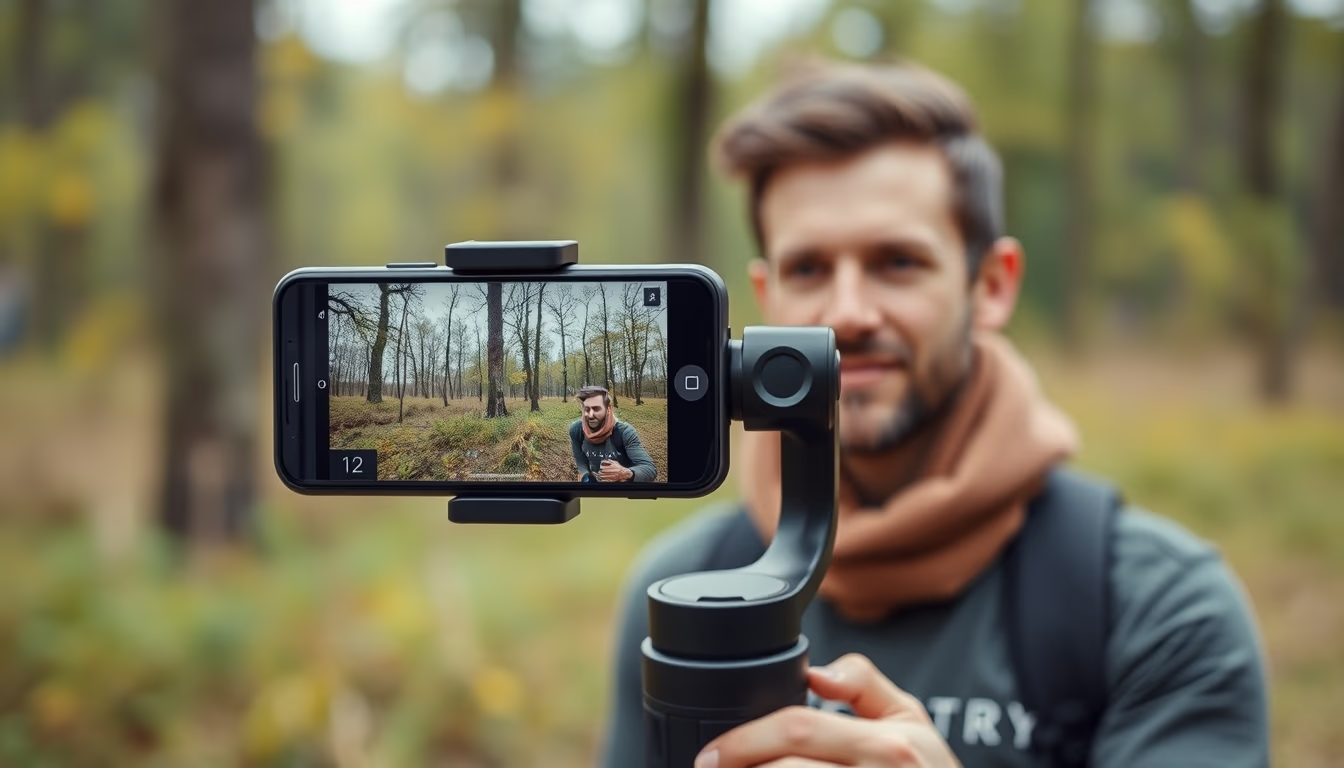
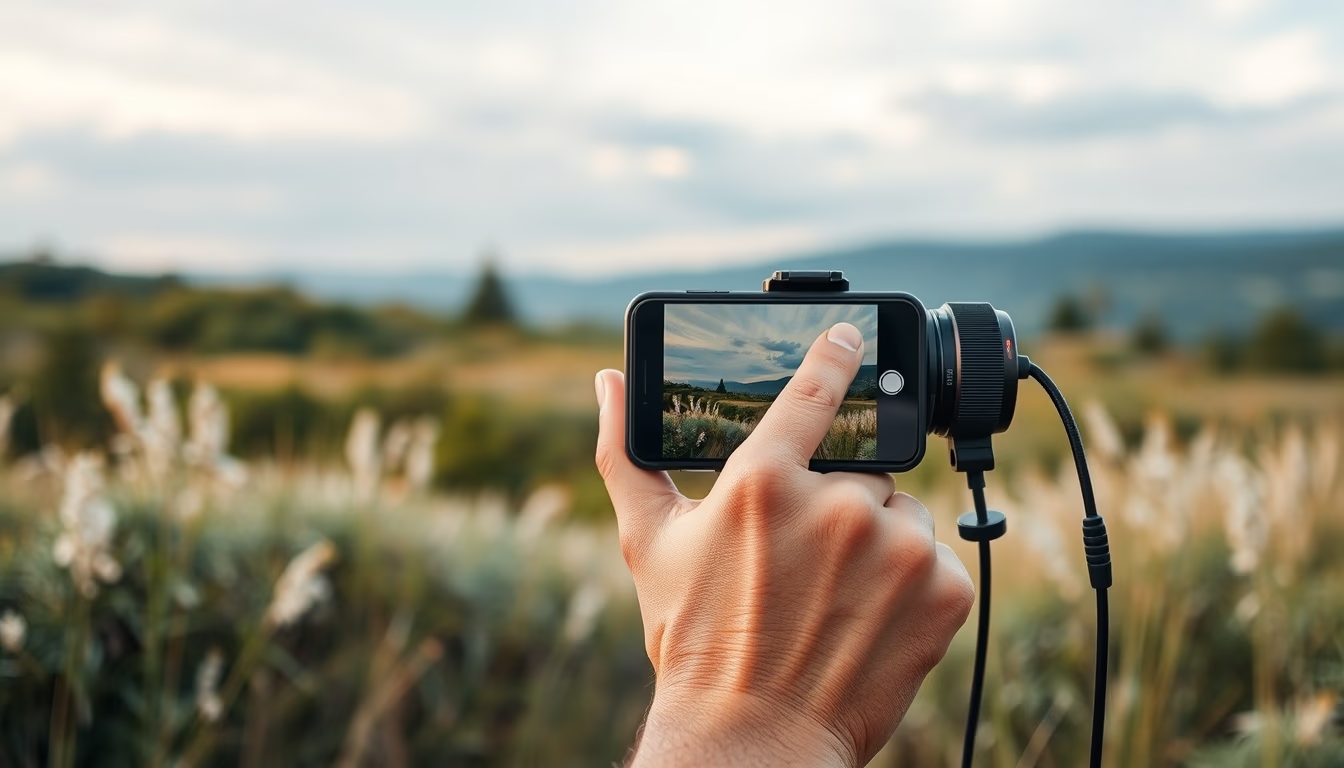
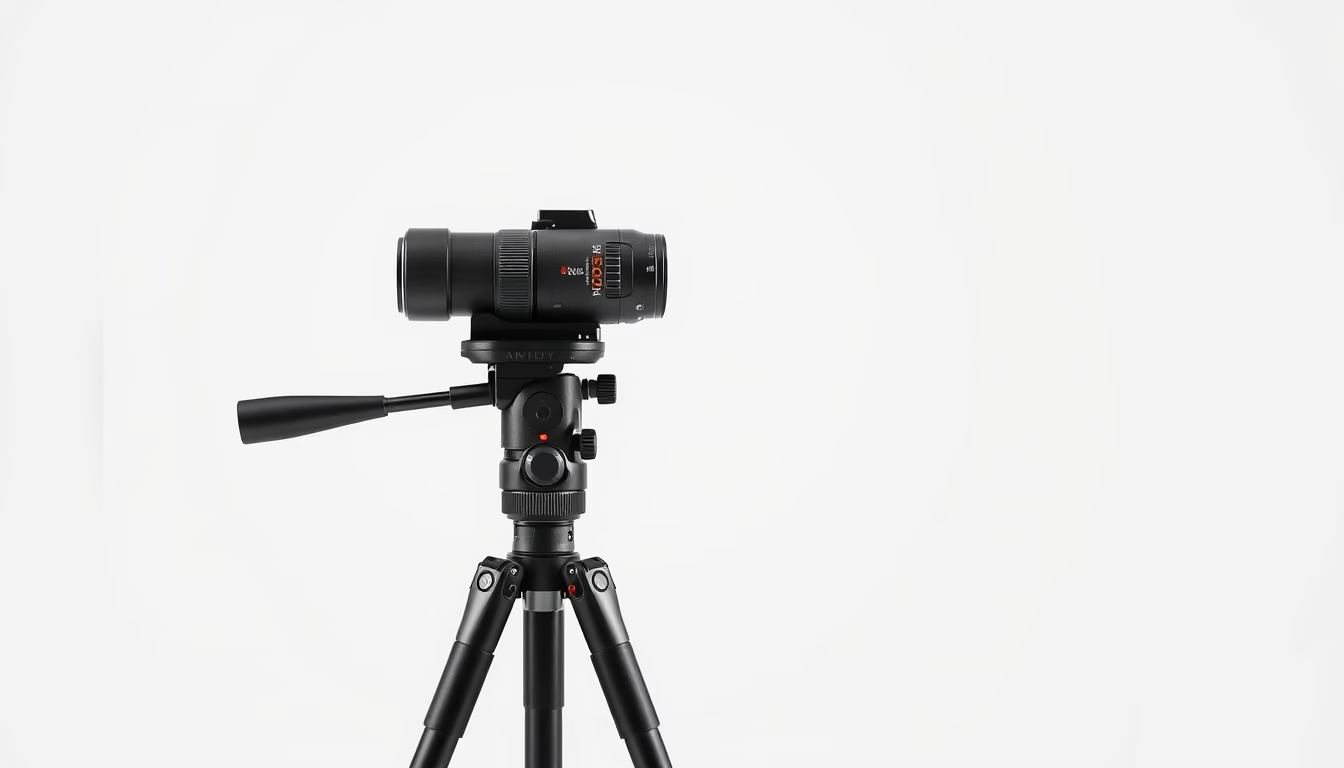
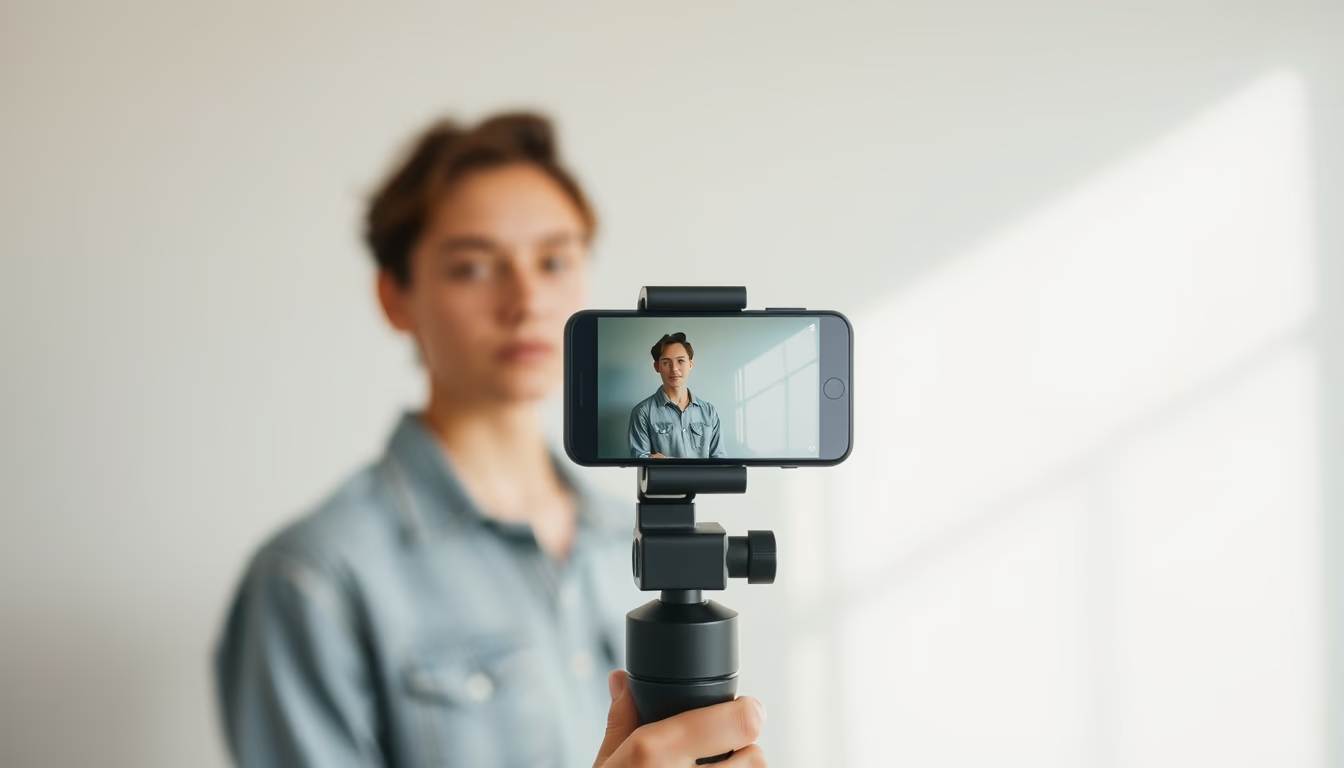
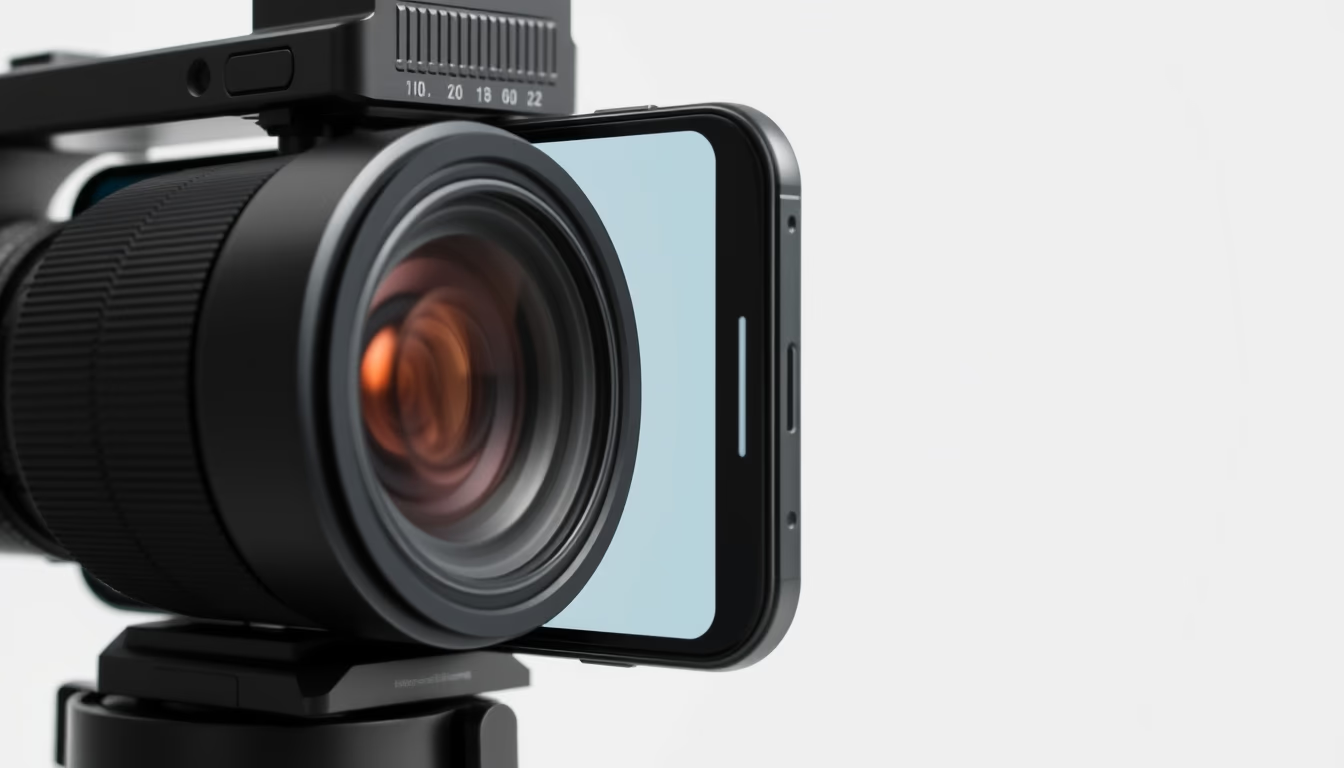
Smartphone gimbals enable smooth video recordings even while moving, using electric motors and motion sensors to compensate for shakes.
About this subject
Smartphone stabilizers, such as the one depicted, are portable devices that use brushless motors and inertial sensors (accelerometers and gyroscopes) to keep the phone's camera level and stable. They correct unwanted movements in real time, enabling video recordings with professional camera quality without the need for traditional steadicams or tripods. Since the first smartphone gimbals appeared in the early 2010s, the technology has evolved to include modes like time-lapse, automatic panning, and object tracking via dedicated apps.
The operating principle relies on three-axis control (pan, tilt, roll), each with a specific motor that applies a counterforce to the detected movement. Modern gimbals often feature rechargeable internal batteries that can also charge the smartphone during use, plus Bluetooth connectivity for integration with camera apps. Professional gimbals for DSLR cameras follow the same concept but with larger motors and higher load capacity.
The popularization of gimbals coincided with the growth of social media and user-generated video content. Content creators, vloggers, and even independent filmmakers adopted the equipment to produce fluid motion videos without investing in expensive stabilization gear. Moreover, the ergonomic design allows one-handed operation, making it easy to use while walking, running, or even mounted on drones (though drones require their own stabilization systems).
Interestingly, the term "gimbal" originates from a 16th-century naval navigation device used to keep compasses and instruments steady on ships. The technology was later adapted for aerial photography on helicopters and eventually miniaturized for smartphones and drones. Today, artificial intelligence algorithms are being integrated into gimbals to predict user movements and enhance stabilization further.
Frequently Asked Questions
How does a smartphone gimbal work?
It uses electric motors and sensors to detect and counteract unwanted movements on three axes: pan (horizontal rotation), tilt (vertical tilt), and roll (lateral rotation). This keeps the camera steady even while walking or running.
What is the difference between a gimbal and optical image stabilization?
Optical image stabilization (OIS) corrects vibrations within the camera lens, while a gimbal moves the entire phone to counteract larger motions. Gimbals are more effective for sudden movements and allow smooth pans.
Can I use a gimbal with any smartphone?
Most gimbals have adjustable clamps that accommodate various phone sizes, but it's important to check the maximum supported weight. Newer models are generally compatible with most devices, including larger ones.
Direct URL
https://pub-c7d6a6ea828543ac903a74a341ccb2e1.r2.dev/imagens/phone-gimbal-stabilizer-documentary-nature-style-fresh2.avifHow to credit
Include a visible link back to UtilizAí. Copy one of the snippets below:
<a href="https://xn--utiliza-eza.com/en/midia/imagens/phone-gimbal-stabilizer-documentary-nature-style-fresh2">Phone gimbal stabilizer</a> by <a href="https://xn--utiliza-eza.com">UtilizAí</a>, licensed under <a href="https://creativecommons.org/licenses/by/4.0/">CC BY 4.0</a>.
[Phone gimbal stabilizer](https://xn--utiliza-eza.com/en/midia/imagens/phone-gimbal-stabilizer-documentary-nature-style-fresh2) by [UtilizAí](https://xn--utiliza-eza.com), CC BY 4.0
License: CC-BY-4.0