Periodic table elements glow
1344×768 · AVIF · CC BY 4.0
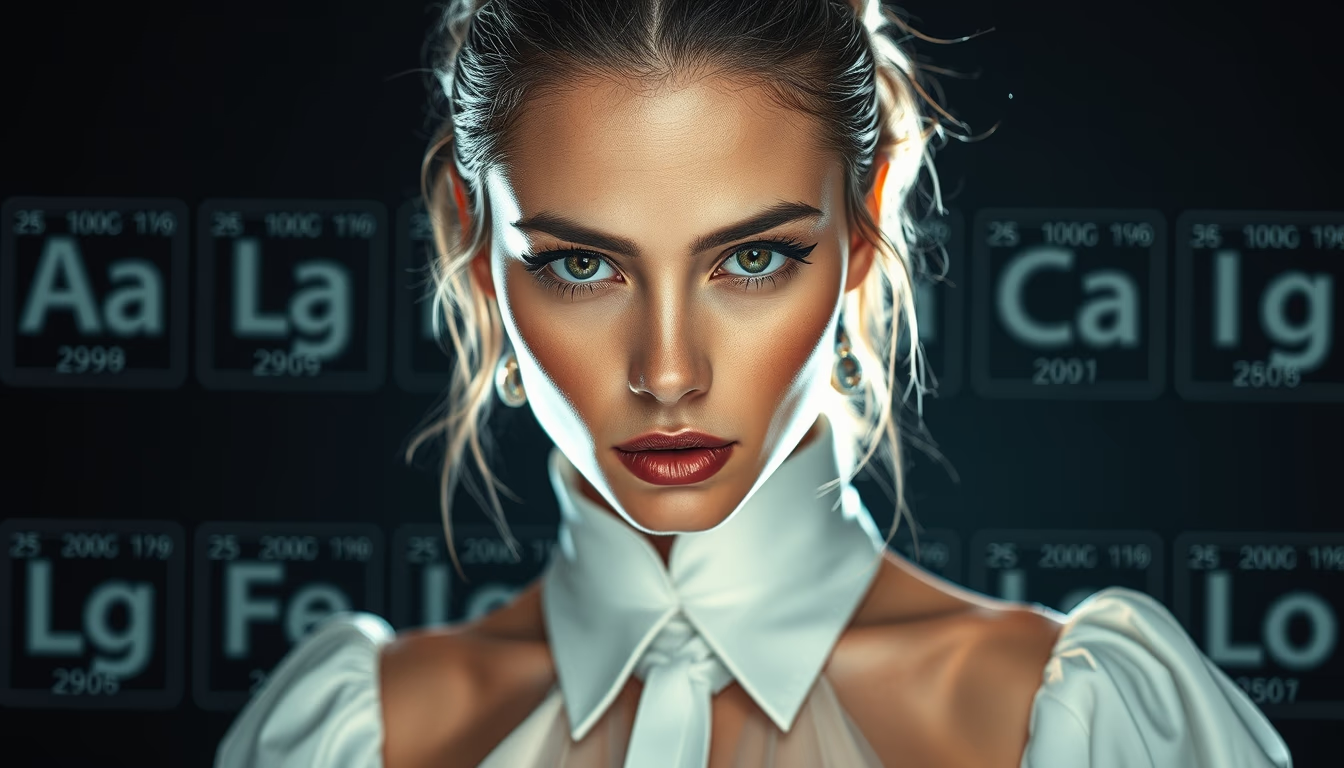
The periodic table comes to life in a fashion editorial exploring the luminescence of chemical elements.
About this subject
The periodic table is one of chemistry's most fundamental tools, organizing elements by their atomic properties. In a high fashion editorial context, the depiction of glowing elements evokes both aesthetic beauty and the fascinating science behind luminescence. Elements such as phosphorus, radium, and lanthanides are known to emit visible light when excited by energy, a phenomenon used in applications from watch dials to smart textiles.
Historically, the use of luminescent materials in fashion dates back to the early 20th century, when radium was added to paints to create glow-in-the-dark effects, popular in accessories and clothing. Although we now understand the health risks of radiation, technology has evolved to safe alternatives, such as zinc sulfide or strontium aluminate pigments. These materials absorb light and slowly re-emit it, producing a lasting glow without danger.
In contemporary editorials, element glow is often recreated with LEDs or phosphorescent paints, allowing for impactful visual compositions. The periodic table, with its colors and symbols, becomes an icon bridging science and art. Each element represents not just a chemical substance but a story of discovery and practical application, from hydrogen to oganesson. Thus, the photographic essay not only decorates but also educates, inviting the audience to reflect on the material world around us.
Frequently Asked Questions
What causes some chemical elements to glow?
The glow occurs when electrons in an element are excited to higher energy levels and, upon returning to the ground state, release energy as visible light. This process can be phosphorescence or fluorescence, depending on emission time.
Which elements are commonly used in glow-in-the-dark clothing?
The most common are zinc sulfide doped with copper, strontium aluminate, and other lanthanides like europium. These materials are safe and non-radioactive, unlike the radium used historically.
Is it safe to wear fabrics with luminescent elements in fashion?
Yes, modern pigments are based on stable, non-toxic compounds. Unlike radium in the past, they do not emit ionizing radiation and are approved for use in clothing, provided they are not ingested.
Direct URL
https://pub-c7d6a6ea828543ac903a74a341ccb2e1.r2.dev/imagens/periodic-table-elements-glow-high-fashion-editorial-p4.avifHow to credit
Include a visible link back to UtilizAí. Copy one of the snippets below:
<a href="https://xn--utiliza-eza.com/en/midia/imagens/periodic-table-elements-glow-high-fashion-editorial-p4">Periodic table elements glow</a> by <a href="https://xn--utiliza-eza.com">UtilizAí</a>, licensed under <a href="https://creativecommons.org/licenses/by/4.0/">CC BY 4.0</a>.
[Periodic table elements glow](https://xn--utiliza-eza.com/en/midia/imagens/periodic-table-elements-glow-high-fashion-editorial-p4) by [UtilizAí](https://xn--utiliza-eza.com), CC BY 4.0
License: CC-BY-4.0