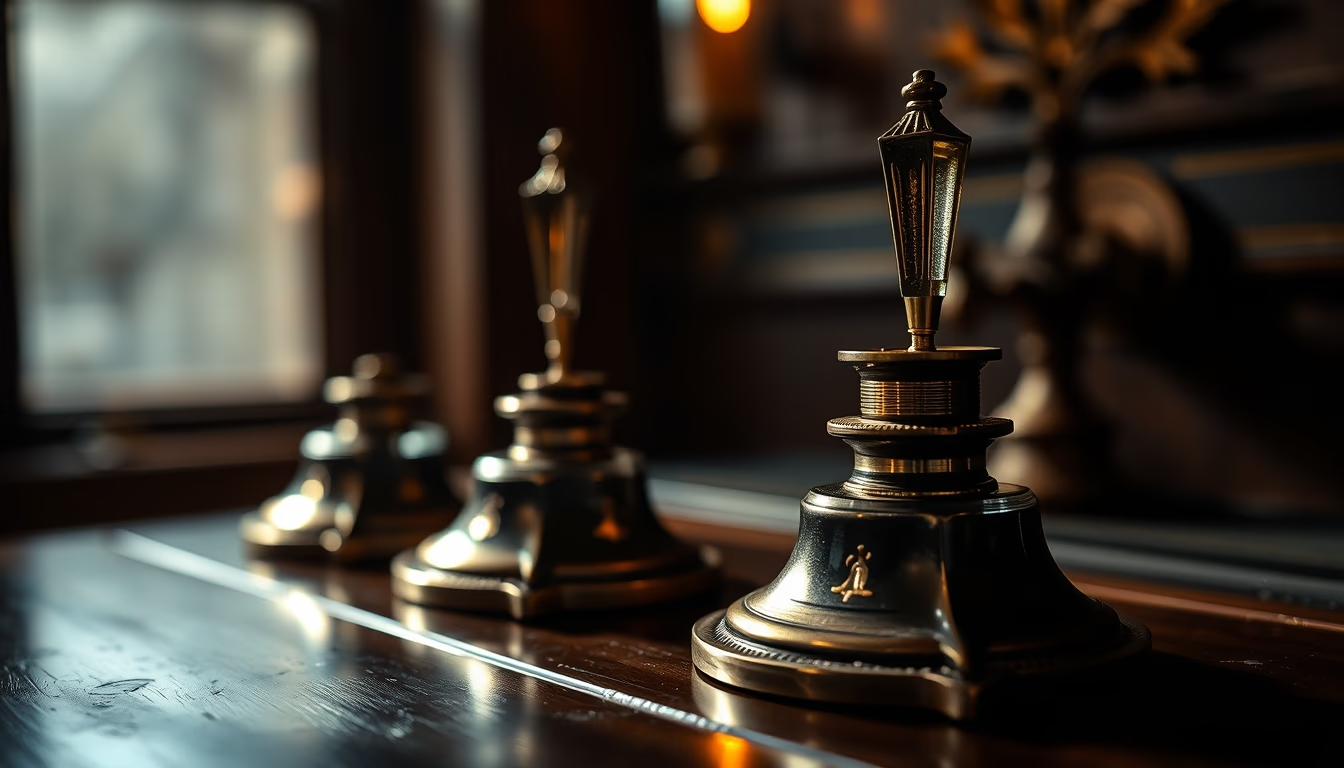
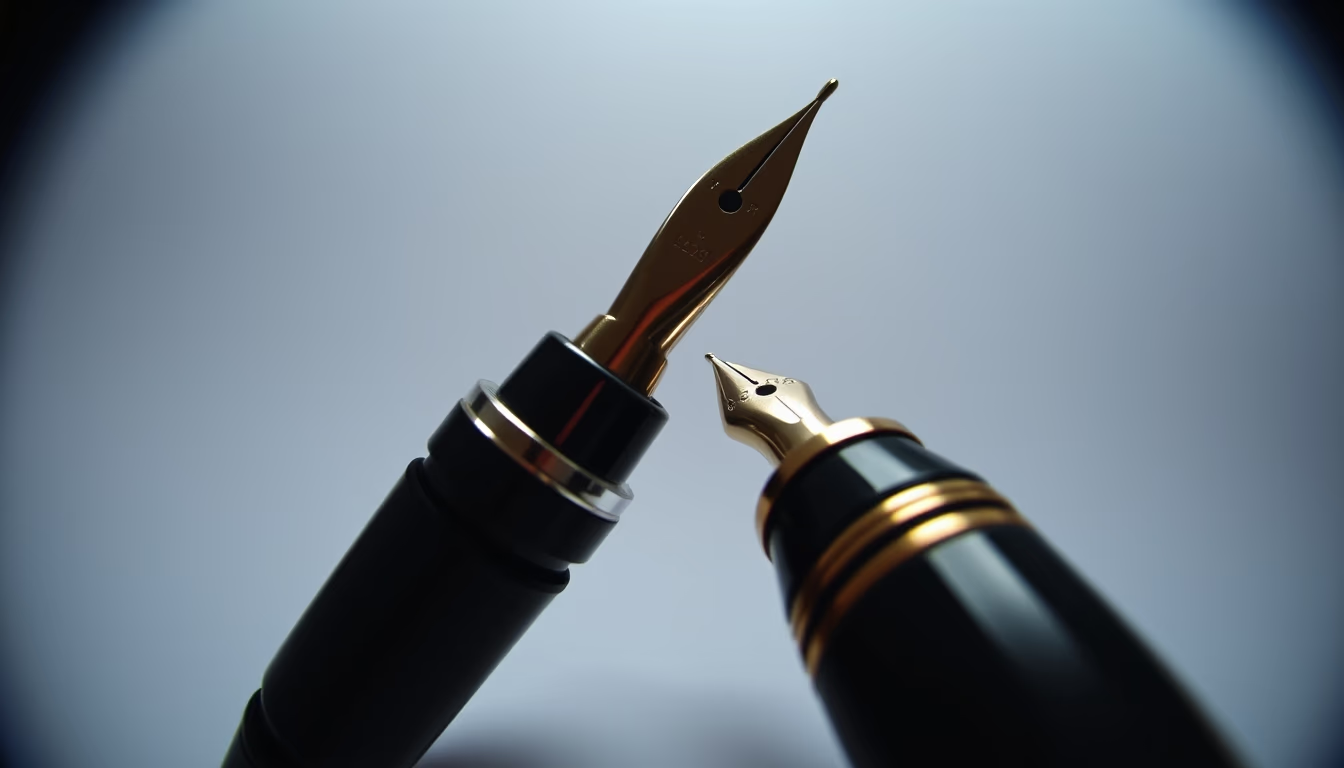
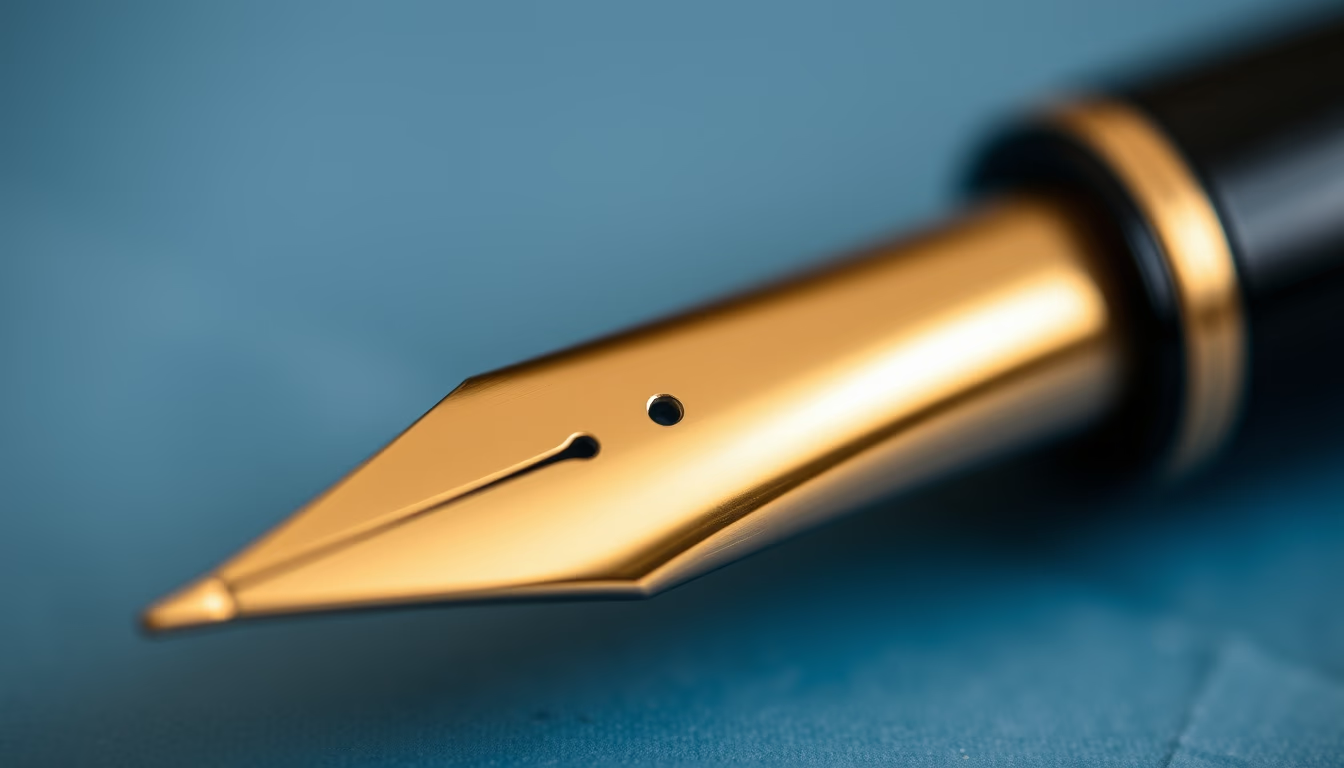
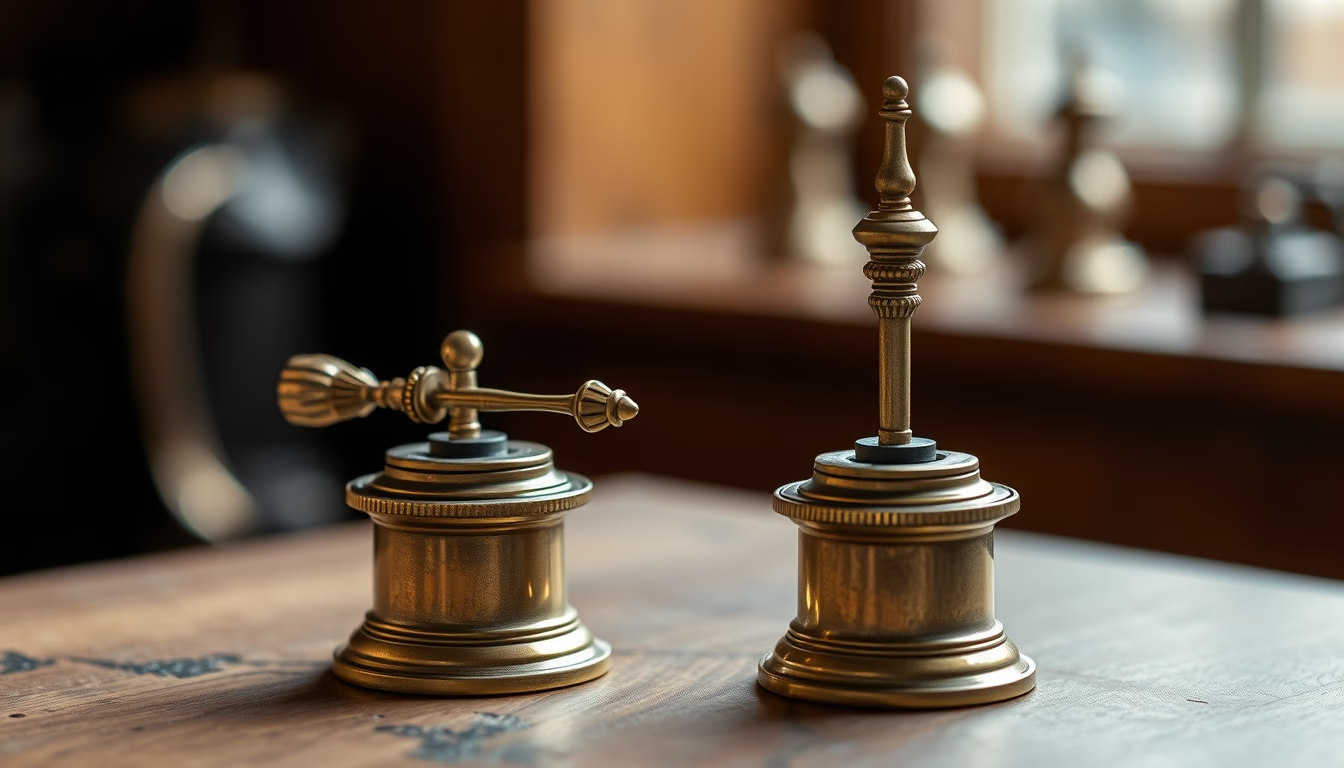
Pencil collection vintage
1344×768 · AVIF · CC BY 4.0

Vintage pencil collections reveal the evolution of writing and drawing, with rare pieces that tell stories of design and manufacturing.
About this subject
The pencil, a quintessential writing and drawing instrument, has a history dating back to the 16th century, when graphite deposits were discovered in England. Early pencils were simple graphite pieces wrapped in string or sheepskin. From the 19th century onwards, industrialization refined pencil manufacturing, incorporating cedar wood, varying hardness grades, and diverse colors. Collecting vintage pencils is delving into this trajectory: each piece reflects the technology and design of its era. Brands like Faber-Castell, Staedtler, and Koh-i-Noor produced iconic models, many now rare. Promotional pencils from old companies, advertising pencils, and colored pencils with natural pigments are particularly valued. In Brazil, pencils from the AWF brand (Antiga W. F.) and the famous No. 2 graphite pencils are nostalgic items. A vintage collection can include pencils with metal erasers, built-in sharpeners, and even pencils with chrome metal caps. Condition is paramount: unused pencils with original tips and legible imprints command higher prices. Beyond historical value, these collections spark interest in graphology and everyday material culture. For beginners, it is advisable to search for pencils at antique fairs, auction sites, and thrift stores, always verifying authenticity by examining wood, mark lettering, and origin stamps. The pencil collecting market is small but dedicated, with online communities exchanging information about manufacturing dates and model variations.
Frequently Asked Questions
Which vintage pencils are most valuable for collecting?
Promotional pencils from defunct companies, limited editions from brands like Faber-Castell and Staedtler, and pencils with unusual designs such as metal caps or geometric shapes are highly valued. Condition and rarity determine price.
How to identify the authenticity of an old pencil?
Check the brand imprint, which should be crisp and consistent with the era. The wood should be cedar and show natural aging signs. Origin stamps or serial numbers increase credibility. Compare with historical manufacturer catalogs.
Where to find vintage pencils for collection in Brazil?
Antique fairs, online auction sites like Mercado Livre and Estante Virtual, and specialized thrift stores are good starting points. There are also collector groups on Facebook and forums like Clube do Lápis that list rare pieces.
Direct URL
https://pub-c7d6a6ea828543ac903a74a341ccb2e1.r2.dev/imagens/pencil-collection-vintage-film-grain-authentic-fresh9.avifHow to credit
Include a visible link back to UtilizAí. Copy one of the snippets below:
<a href="https://xn--utiliza-eza.com/en/midia/imagens/pencil-collection-vintage-film-grain-authentic-fresh9">Pencil collection vintage</a> by <a href="https://xn--utiliza-eza.com">UtilizAí</a>, licensed under <a href="https://creativecommons.org/licenses/by/4.0/">CC BY 4.0</a>.
[Pencil collection vintage](https://xn--utiliza-eza.com/en/midia/imagens/pencil-collection-vintage-film-grain-authentic-fresh9) by [UtilizAí](https://xn--utiliza-eza.com), CC BY 4.0
License: CC-BY-4.0