Pencil collection vintage
1344×768 · AVIF · CC BY 4.0

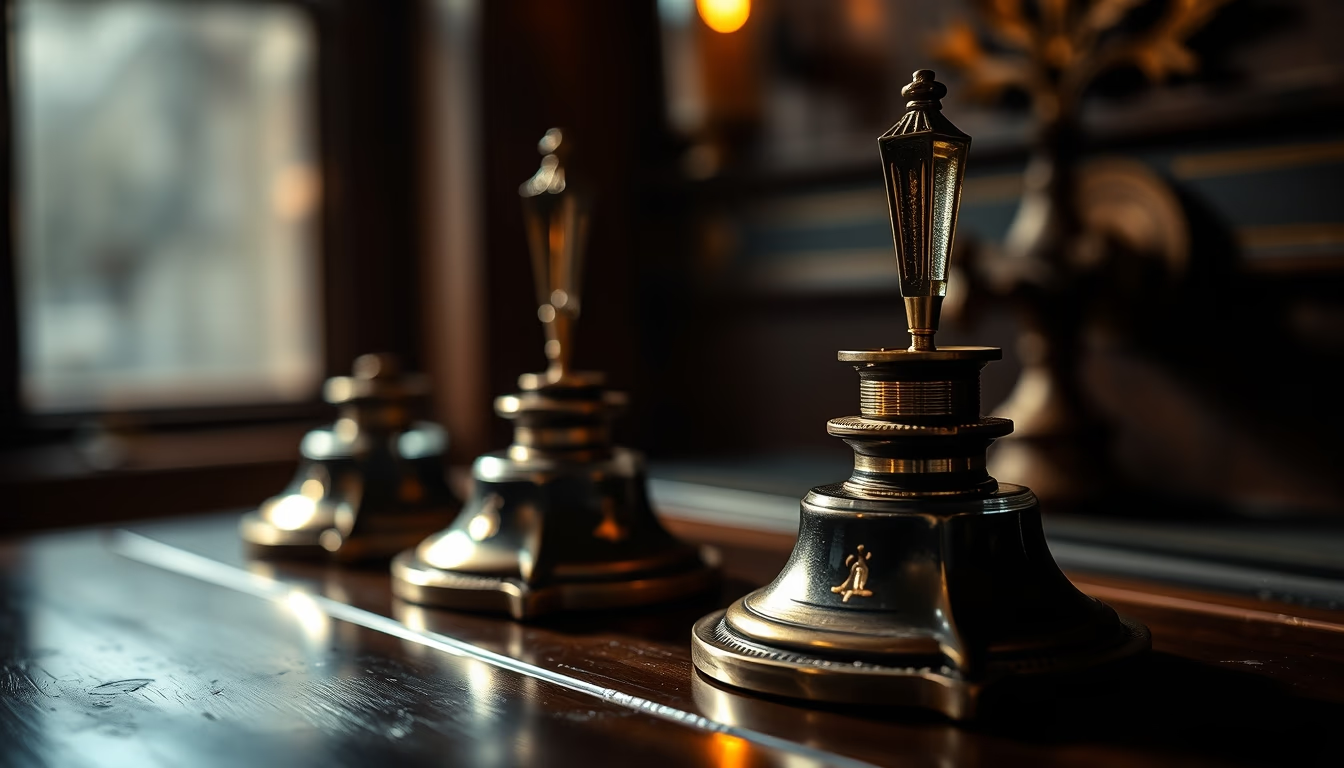
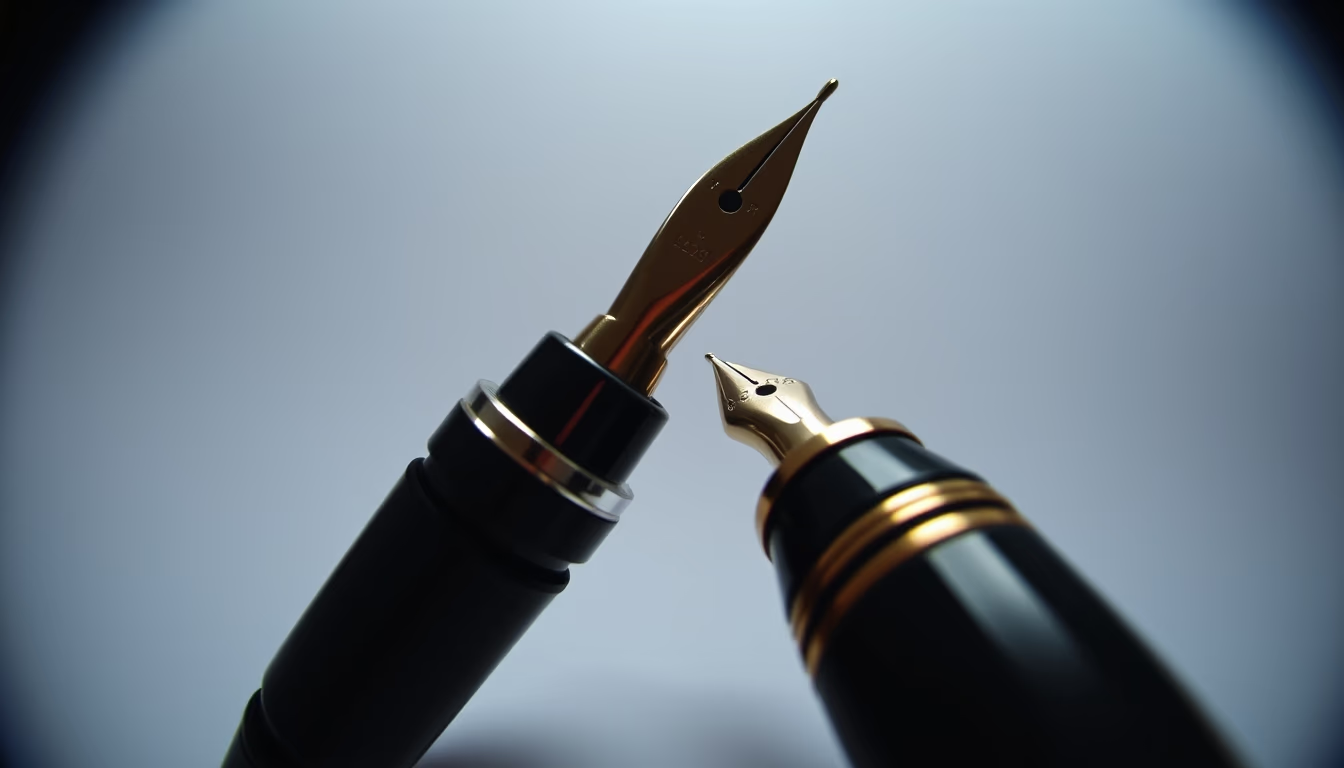
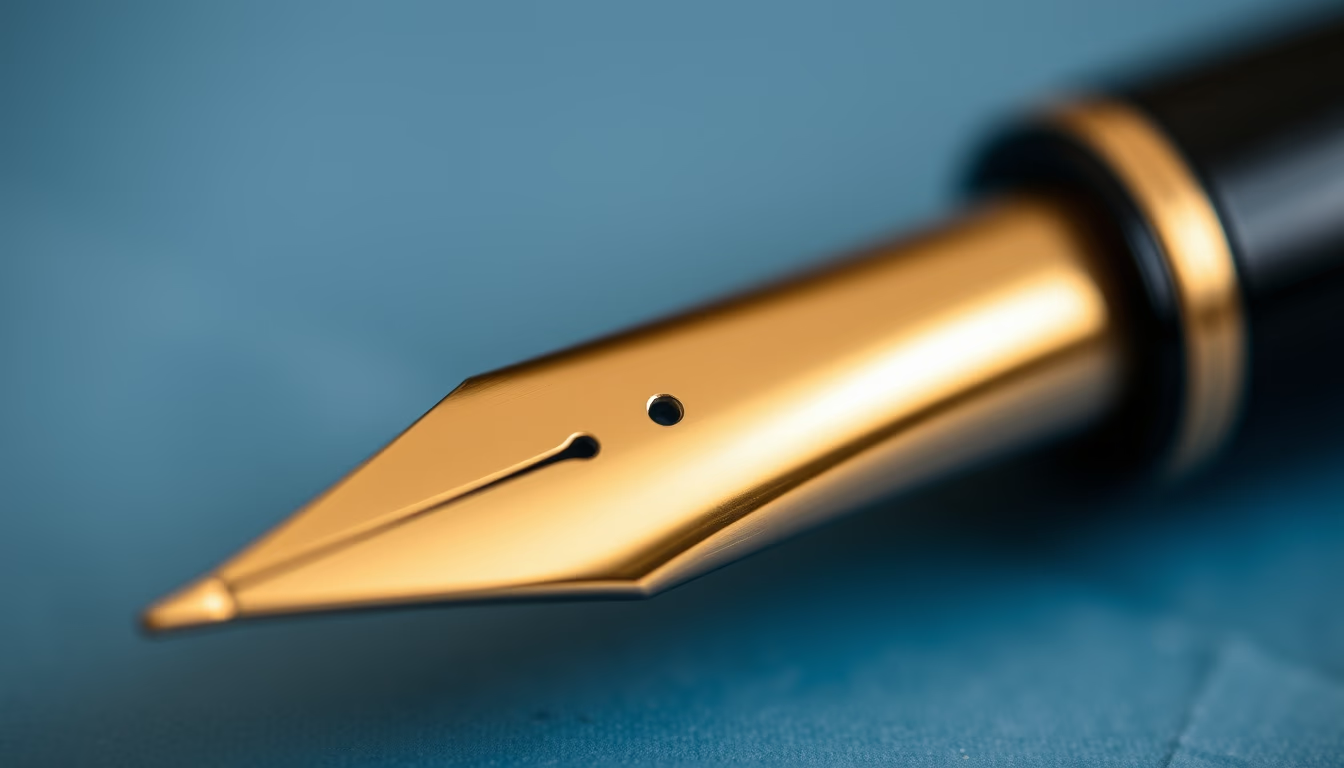
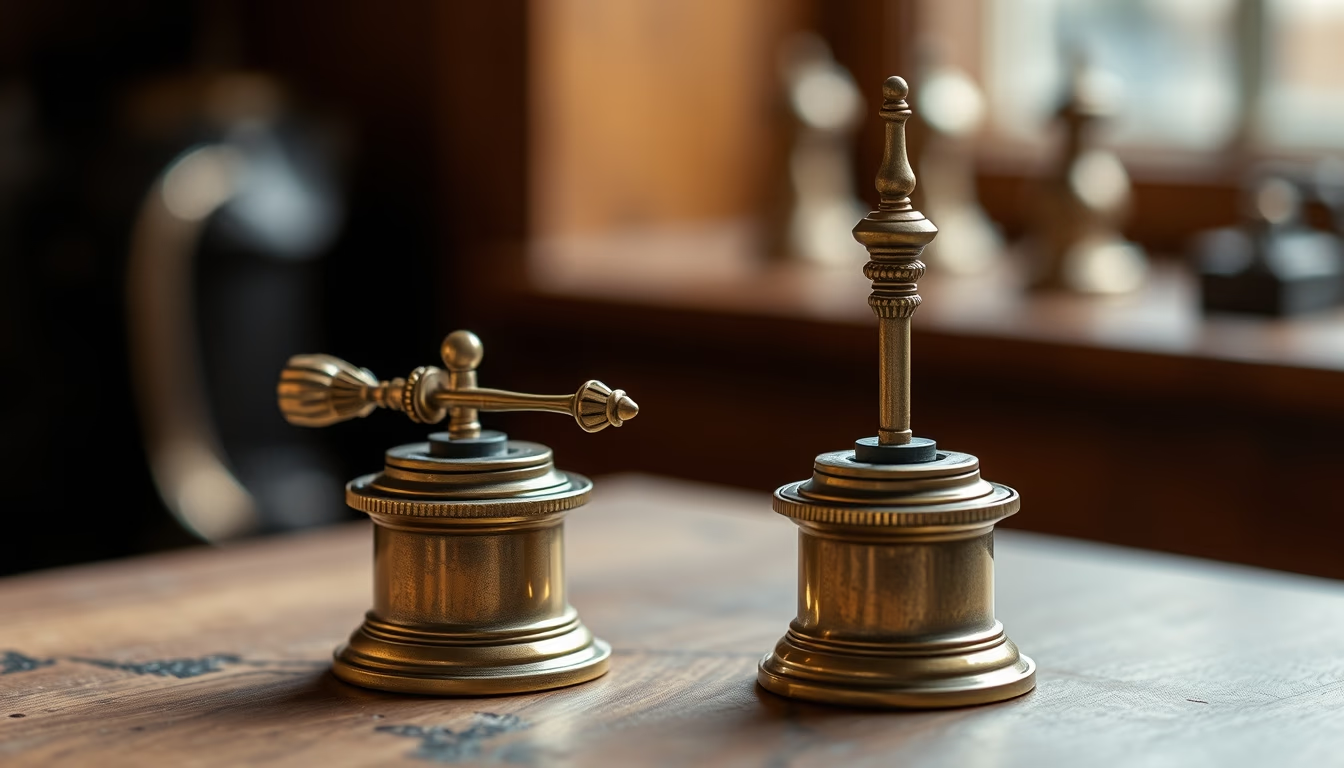
A vintage pencil collection reveals the evolution of writing materials over centuries, from pure graphite to the colorful designs of the 20th century.
About this subject
A vintage pencil collection stands as a testament to the history of writing and drawing. The modern pencil as we know it emerged in the 16th century, when pure graphite deposits were discovered in Borrowdale, England. Initially, graphite was wrapped in string or sheepskin, but soon craftsmen began using wood, creating the carpenter's pencil. In the 18th century, the mixture of graphite with clay, patented by Frenchman Nicolas-Jacques Conté, allowed for hardness grading, revolutionizing technical and artistic drawing.
With industrialization in the 19th century, pencils were mass-produced. Companies like Faber-Castell (founded in 1761) and Staedtler (1835) became benchmarks. Colored pencils appeared later: the first set was produced by Faber-Castell in 1908, initially with 12 colors. Vintage collections often include promotional pencils from hotels, railways, and companies, as well as school models with designs reflecting each era's aesthetics, such as Art Deco motifs from the 1920s or cartoon characters from the 1950s.
Materials also vary. While most vintage pencils use cedar wood (like Juniperus virginiana), rare specimens feature exotic woods or even Bakelite plastic, a precursor to modern polymers. Shapes range from classic hexagonal to round, and erasers on the tip only became popular after Hymen Lipman's patent in 1858. A well-preserved vintage collection may include pencils from different continents, each telling a story of trade, technology, and custom.
Frequently Asked Questions
How can you tell if a vintage pencil is valuable?
Assess rarity, manufacturer (e.g., early Faber-Castell), condition, and presence of promotional ads. Pencils with pure graphite (pre-Conté) or exotic woods are more valuable.
What are the main historical pencil manufacturers?
Notable ones include Faber-Castell (Germany), Staedtler (Germany), Eagle Pencil Company (USA), and Koh-I-Noor (Czech Republic). The American Pencil Company also produced iconic models in the early 20th century.
How should I preserve a collection of antique pencils?
Store them in a dry place away from direct sunlight with stable temperature. Avoid humidity to prevent damage to wood and graphite. Use boxes with compartments to minimize friction.
Direct URL
https://pub-c7d6a6ea828543ac903a74a341ccb2e1.r2.dev/imagens/pencil-collection-vintage-documentary-nature-style-fresh6.avifHow to credit
Include a visible link back to UtilizAí. Copy one of the snippets below:
<a href="https://xn--utiliza-eza.com/en/midia/imagens/pencil-collection-vintage-documentary-nature-style-fresh6">Pencil collection vintage</a> by <a href="https://xn--utiliza-eza.com">UtilizAí</a>, licensed under <a href="https://creativecommons.org/licenses/by/4.0/">CC BY 4.0</a>.
[Pencil collection vintage](https://xn--utiliza-eza.com/en/midia/imagens/pencil-collection-vintage-documentary-nature-style-fresh6) by [UtilizAí](https://xn--utiliza-eza.com), CC BY 4.0
License: CC-BY-4.0