Papercraft architecture
1344×768 · AVIF · CC BY 4.0
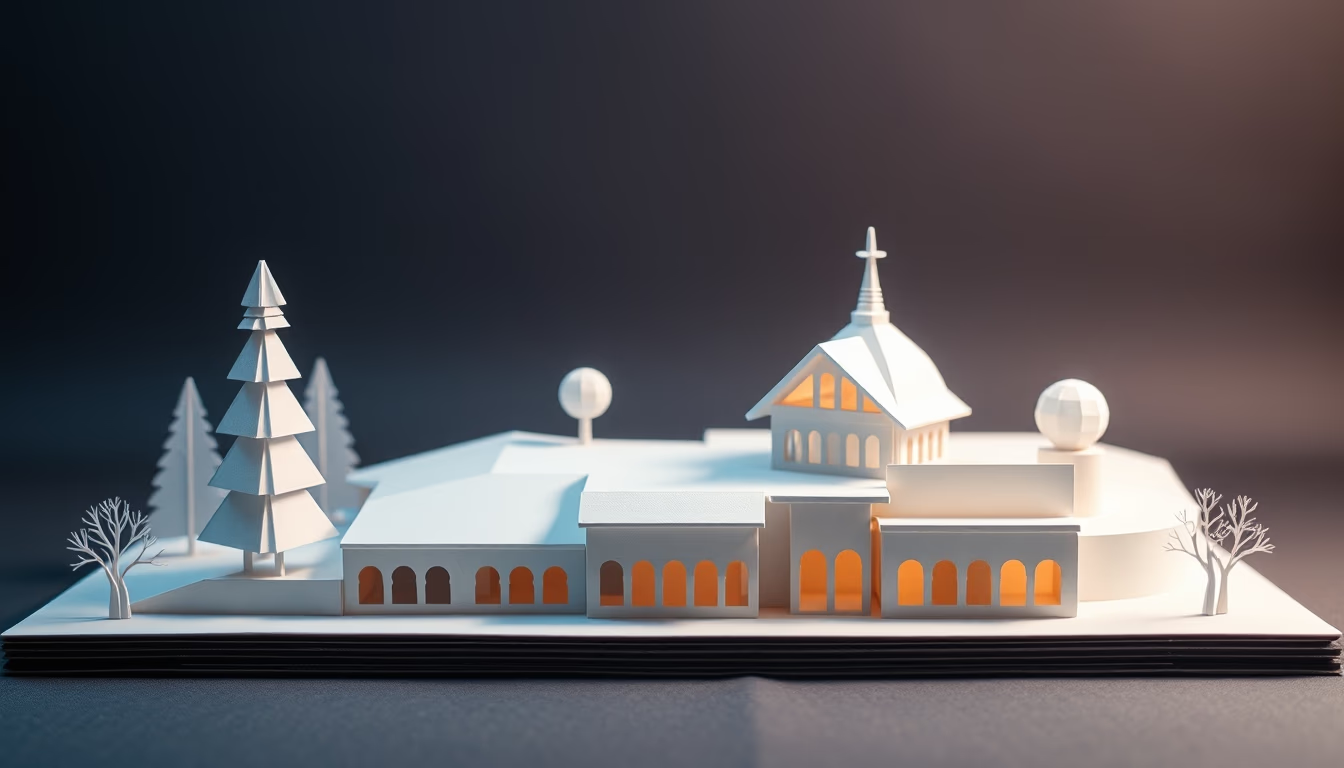
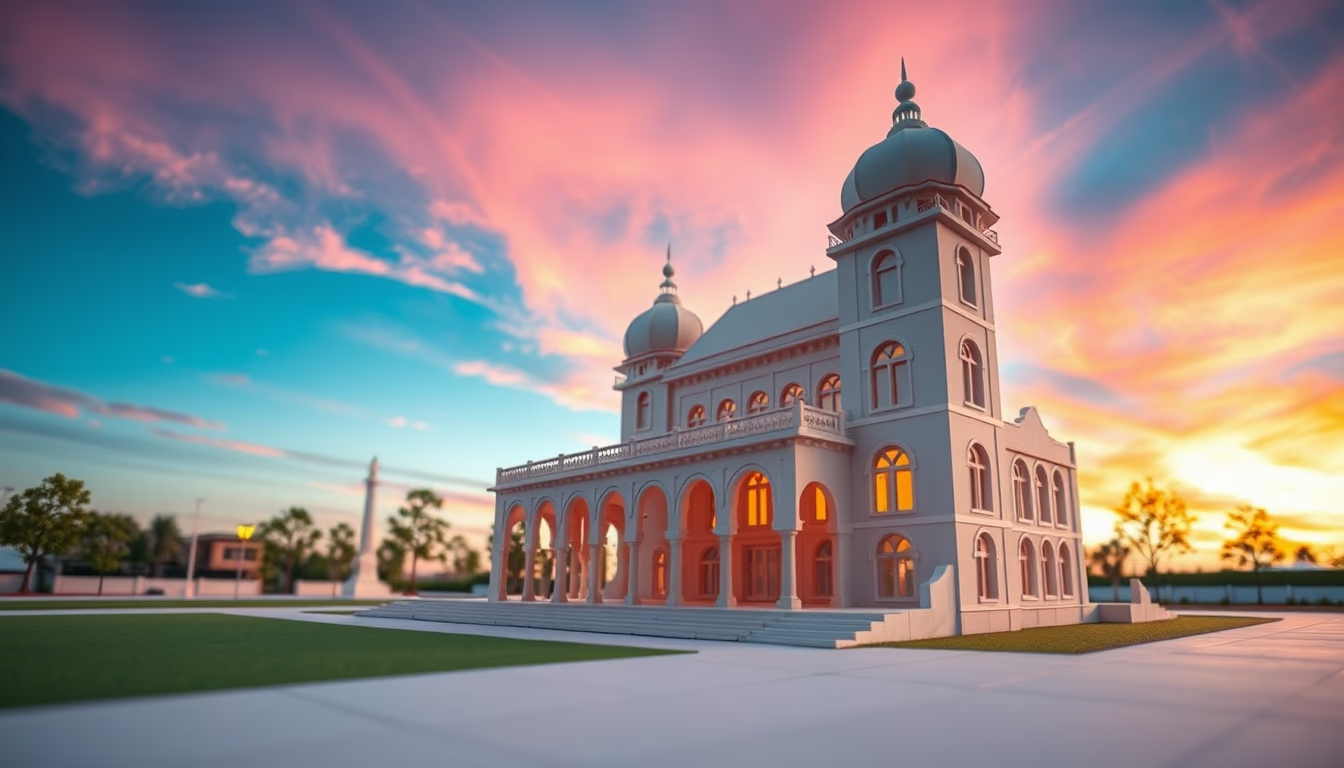
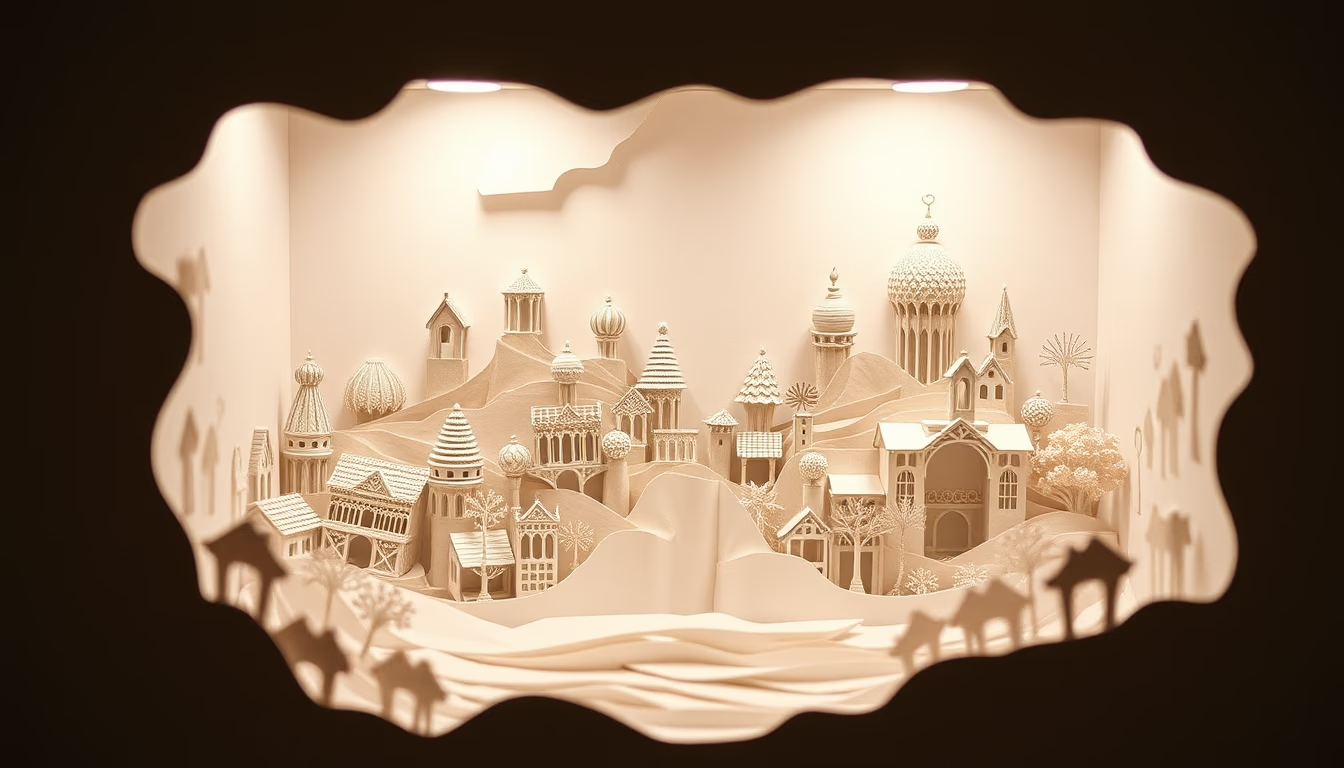
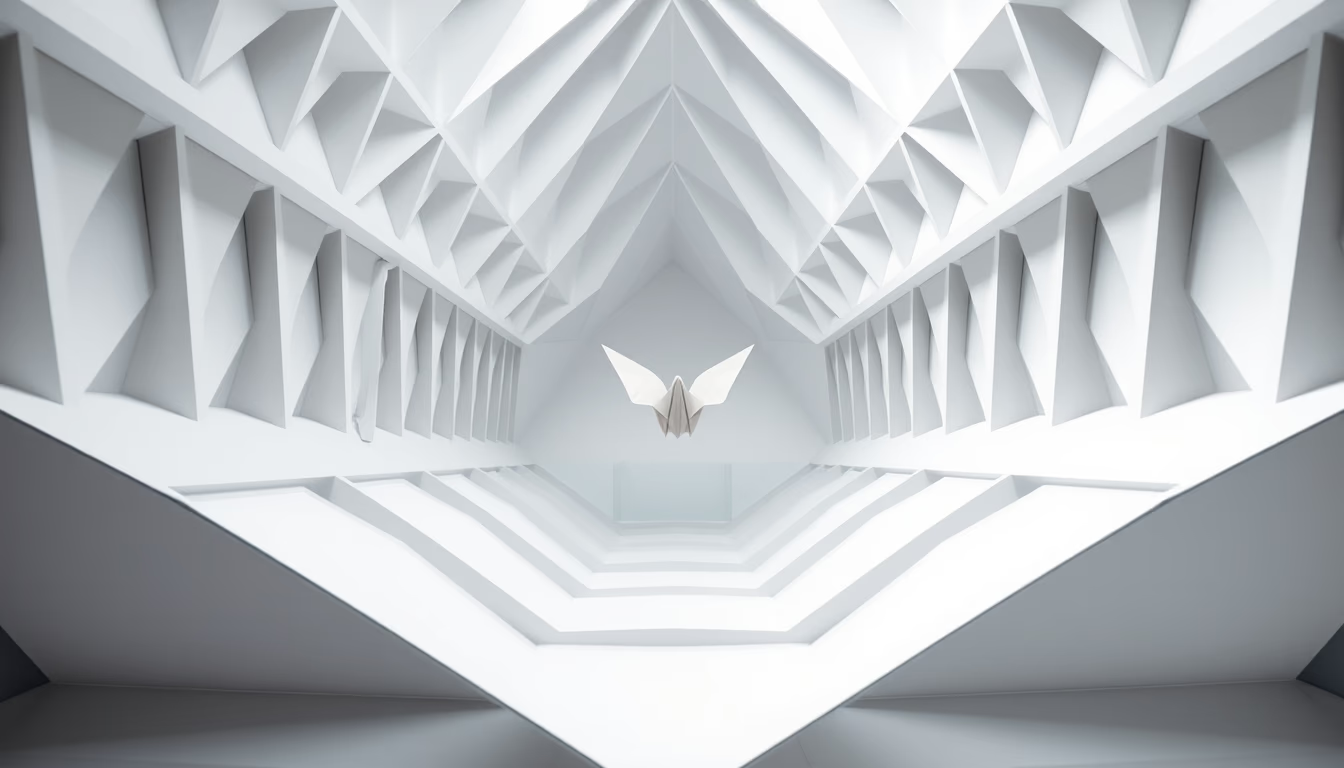
Papercraft architecture merges design and papercraft to recreate miniature buildings, combining geometric precision and handcrafted creativity.
About this subject
Papercraft architecture is the art of building scaled-down buildings and architectural structures using paper as the primary material. Unlike traditional models made of wood or plastic, papercraft relies on precise cutting, folding, and gluing to create three-dimensional volumes. Techniques such as kirigami (cut and fold) and architectural origami are commonly used, enabling everything from faithful replicas of historic monuments to conceptual designs. Renowned artists like Ingrid Siliakus and the duo Pauline Loctin and Jean-David Malat (Studio Malakin) are global references, with works that merge mathematical precision and artistic expression.
The practice gained momentum with the popularity of commercial kits and digital cut files (e.g., Papercraft World and Canon Creative Park), which democratized access to the hobby. Architecture schools also use papercraft as a teaching tool to explain concepts of volume, scale, and structure. Moreover, its low cost, recyclability, and portability make it attractive for traveling exhibitions and educational activities.
Culturally, papercraft architecture reflects the contemporary trend of valuing handmade objects and slow design. In countries such as Japan, with its millennium-old paper culture, and Brazil, with a growing community of modelers, the art renews itself through online groups and events. Works often explore themes like sustainability, urban utopia, and affective memory, connecting viewers to real or imagined buildings through the delicacy of paper.
Interestingly, papercraft architecture is also used in occupational therapy and mindfulness, as cutting and assembling require focus and fine motor skills. Exhibitions like Charles Young's “Paper Cities” showcase entire metropolises made of paper, highlighting the complexity this art can achieve. Paper, a fragile and malleable material, becomes a symbol of resilience and creativity in the miniature architectural universe.
Frequently Asked Questions
What is needed to start making papercraft architecture?
You need paper of appropriate weight (120g/m² to 200g/m²), a precision craft knife, a metal ruler, white or glue stick, and a cutting mat. Beginner kits with pre-cut pieces are great for learning.
What is the difference between papercraft and architectural origami?
Architectural origami uses only folding, no cuts. In contrast, papercraft architecture involves cutting and gluing multiple pieces, allowing more detail and curved or complex shapes.
Is papercraft architecture considered sustainable art?
Yes, because it uses recycled or recyclable paper and models require low energy consumption. Scraps can be reused in other projects, reducing waste.
Direct URL
https://pub-c7d6a6ea828543ac903a74a341ccb2e1.r2.dev/imagens/papercraft-architecture-studio-still-life-fresh17.avifHow to credit
Include a visible link back to UtilizAí. Copy one of the snippets below:
<a href="https://xn--utiliza-eza.com/en/midia/imagens/papercraft-architecture-studio-still-life-fresh17">Papercraft architecture</a> by <a href="https://xn--utiliza-eza.com">UtilizAí</a>, licensed under <a href="https://creativecommons.org/licenses/by/4.0/">CC BY 4.0</a>.
[Papercraft architecture](https://xn--utiliza-eza.com/en/midia/imagens/papercraft-architecture-studio-still-life-fresh17) by [UtilizAí](https://xn--utiliza-eza.com), CC BY 4.0
License: CC-BY-4.0