Papercraft architecture
1344×768 · AVIF · CC BY 4.0
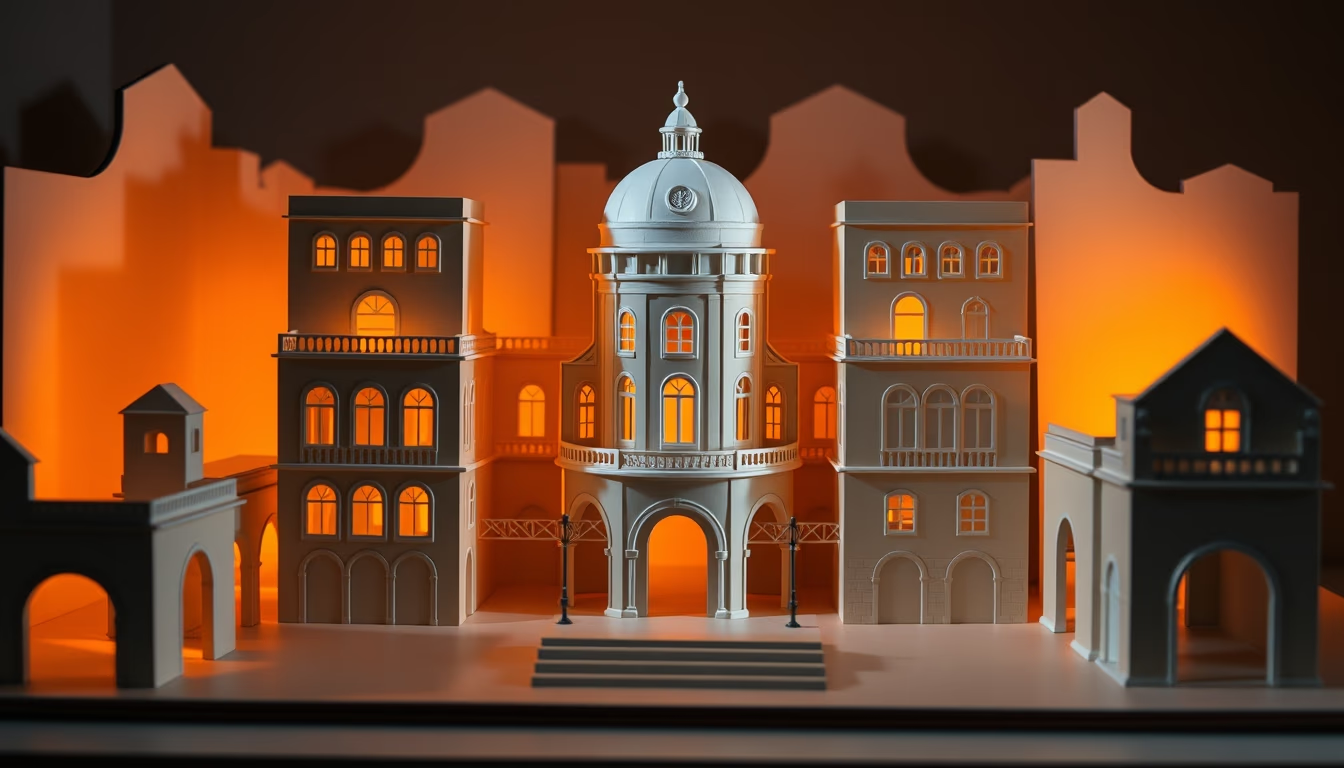
Papercraft architecture combines paper engineering with architectural design, creating detailed models with dramatic lighting.
About this subject
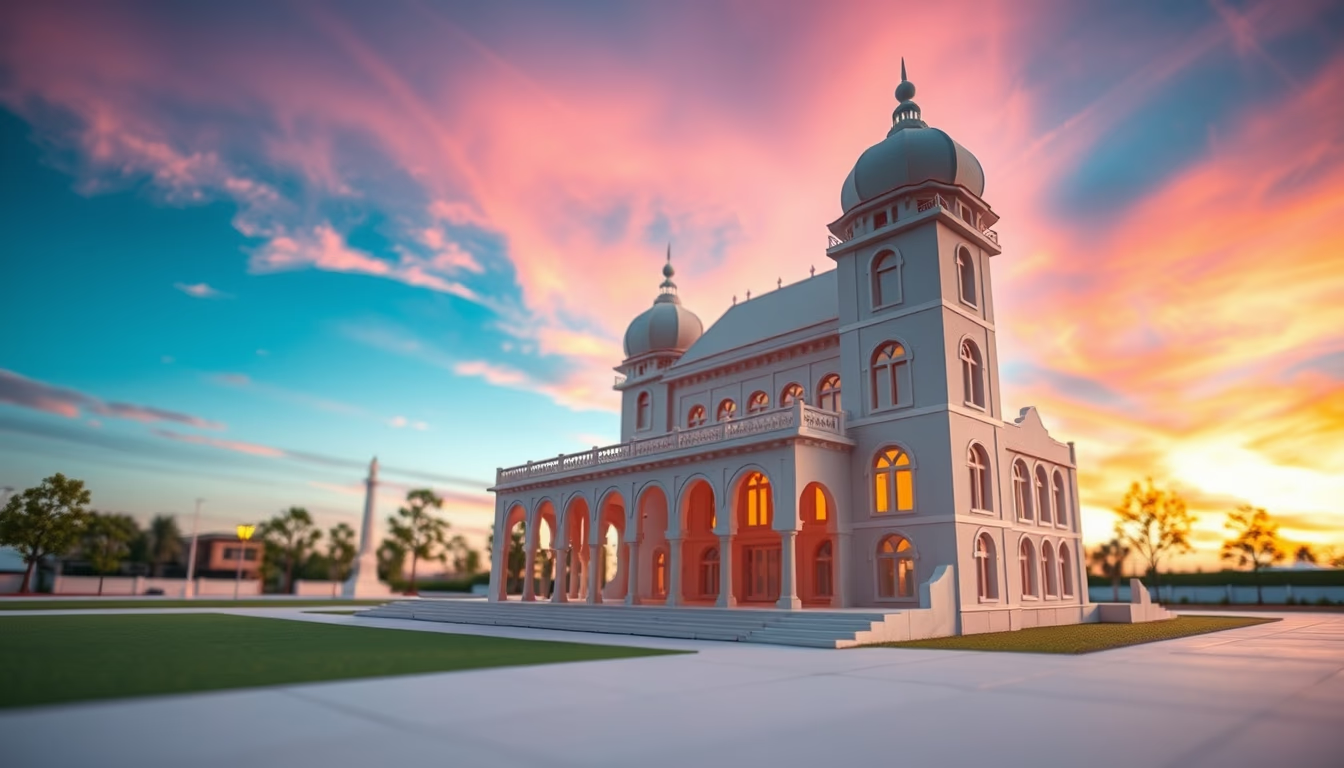
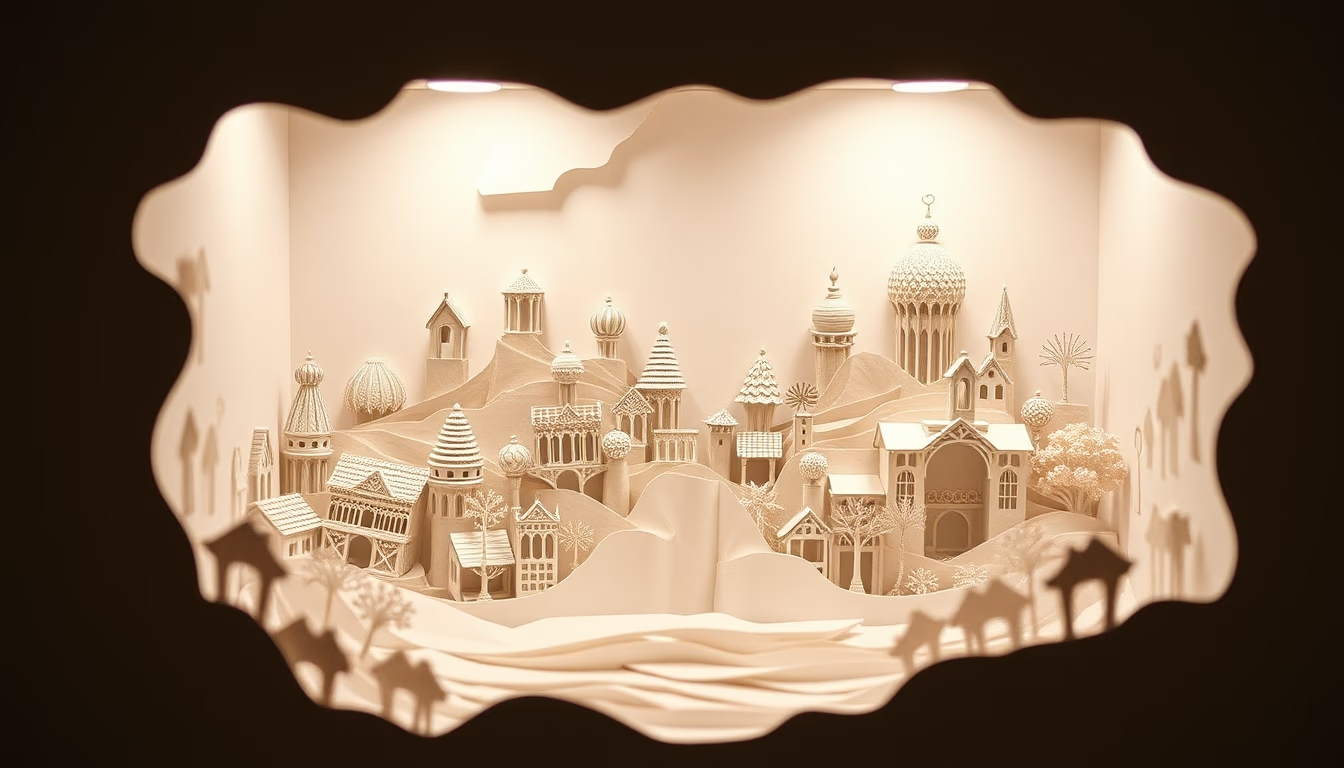
Papercraft architecture is a technique that uses paper as a base material to build three-dimensional representations of buildings and spaces. Originating from traditions like Japanese origami and European paper models from the 19th century, the practice evolved into an art form and prototyping tool. Unlike simple folding, architectural papercraft involves precise cutting, scoring, and gluing to reproduce facades, volumes, and structural details. Lighting plays a crucial role in showcasing these pieces: the so-called Rembrandt lighting, characterized by deep shadows and strong contrasts, enhances three-dimensionality and paper texture, lending drama to compositions.
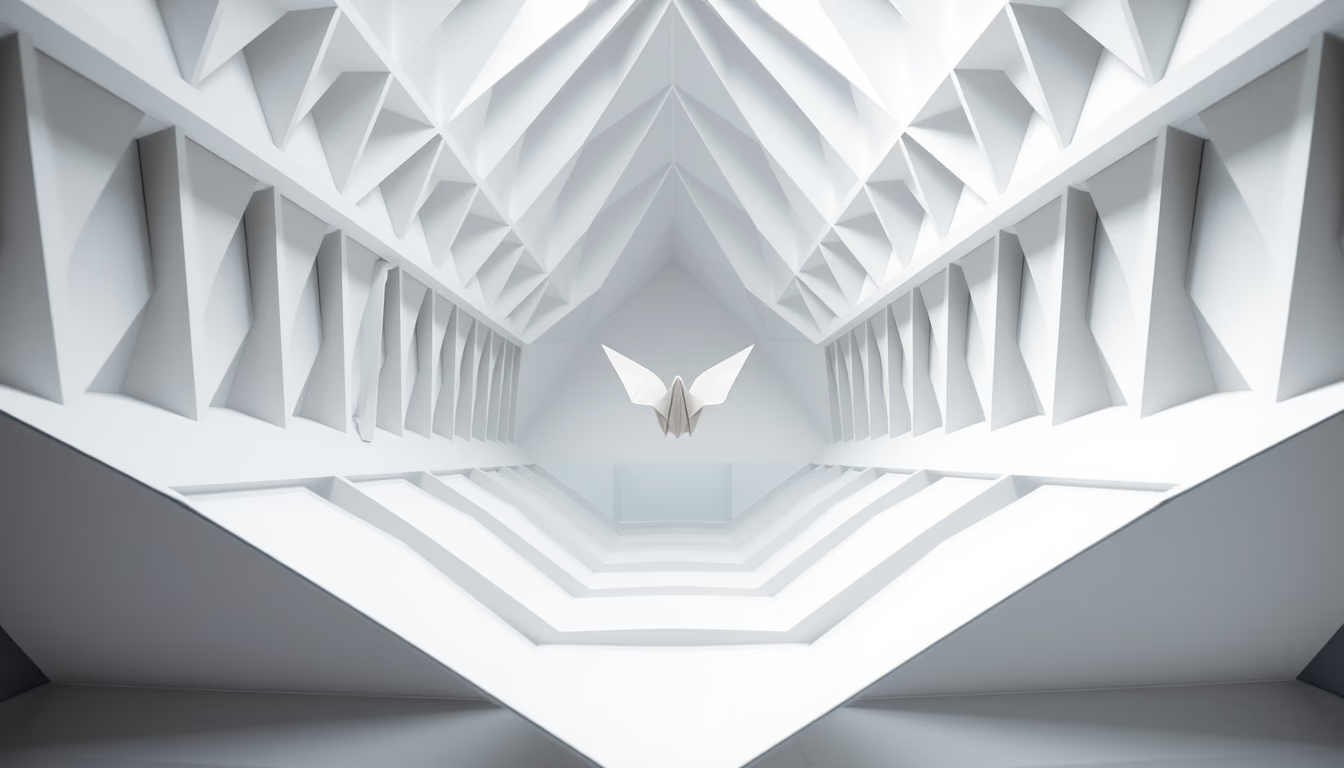
Techniques such as planar modeling and using papers of different weights allow for creating everything from realistic miniatures to geometric abstractions. Artists like British Richard Sweeney and Japanese Shin Tanaka are known for works that explore both fluidity and rigidity. In exhibitions, architectural papercraft often dialogues with photography and cinema, where light is controlled to emphasize gaps and surfaces. This practice is also present in architecture schools as a conceptual model-making method, combining low cost with high precision.
Culturally, architectural papercraft represents a meeting of craftsmanship and technology. Despite the digital age, handcrafted paper remains relevant for its tangibility and sustainability. Events like the “Papercraft Festival” in Europe and workshops in Brazilian museums demonstrate its educational and playful appeal. The use of dramatic lighting, inspired by painters like Rembrandt, not only enhances aesthetics but also teaches about spatial perception and shading. For enthusiasts, it is a way to recreate famous monuments or design imaginary scenes, uniting technical precision and creativity.
Frequently Asked Questions
What is papercraft architecture?
It is the art of building three-dimensional models of buildings and spaces using paper as the main material, combining cutting, folding, and gluing to reproduce architectural structures.
How is Rembrandt lighting applied in papercraft?
Rembrandt lighting uses a main light positioned at an angle to create deep shadows and a triangle of light on the opposite side of the face or object, enhancing volumes and paper textures.
What are the main techniques in architectural papercraft?
They include planar modeling, scoring, laser cutting, and choosing papers of different thicknesses to ensure rigidity or flexibility in the pieces.
Direct URL
https://pub-c7d6a6ea828543ac903a74a341ccb2e1.r2.dev/imagens/papercraft-architecture-rembrandt-lighting-dramatic-shadows-fresh2.avifHow to credit
Include a visible link back to UtilizAí. Copy one of the snippets below:
<a href="https://xn--utiliza-eza.com/en/midia/imagens/papercraft-architecture-rembrandt-lighting-dramatic-shadows-fresh2">Papercraft architecture</a> by <a href="https://xn--utiliza-eza.com">UtilizAí</a>, licensed under <a href="https://creativecommons.org/licenses/by/4.0/">CC BY 4.0</a>.
[Papercraft architecture](https://xn--utiliza-eza.com/en/midia/imagens/papercraft-architecture-rembrandt-lighting-dramatic-shadows-fresh2) by [UtilizAí](https://xn--utiliza-eza.com), CC BY 4.0
License: CC-BY-4.0