Papercraft architecture
1344×768 · AVIF · CC BY 4.0
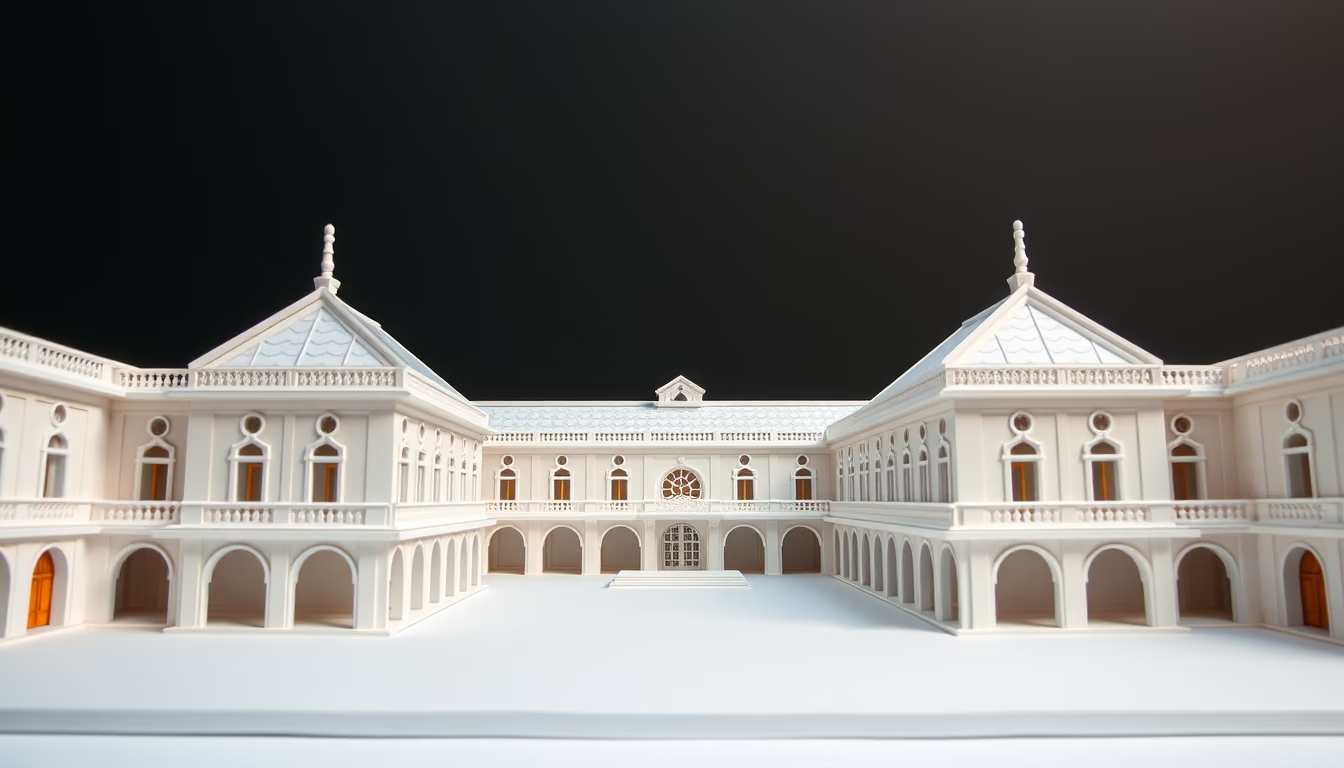
Papercraft architecture combines paper modeling and architecture to recreate famous buildings with rich detail and creativity.
About this subject
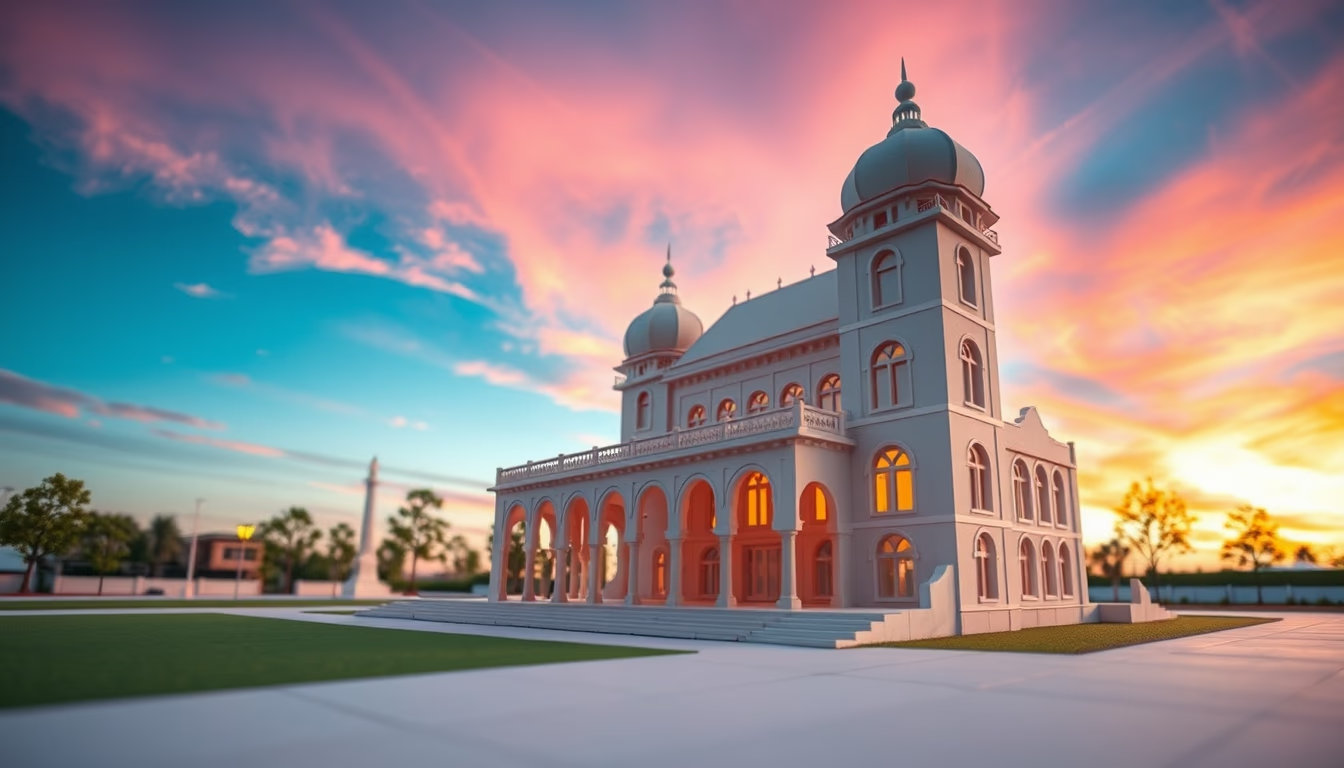
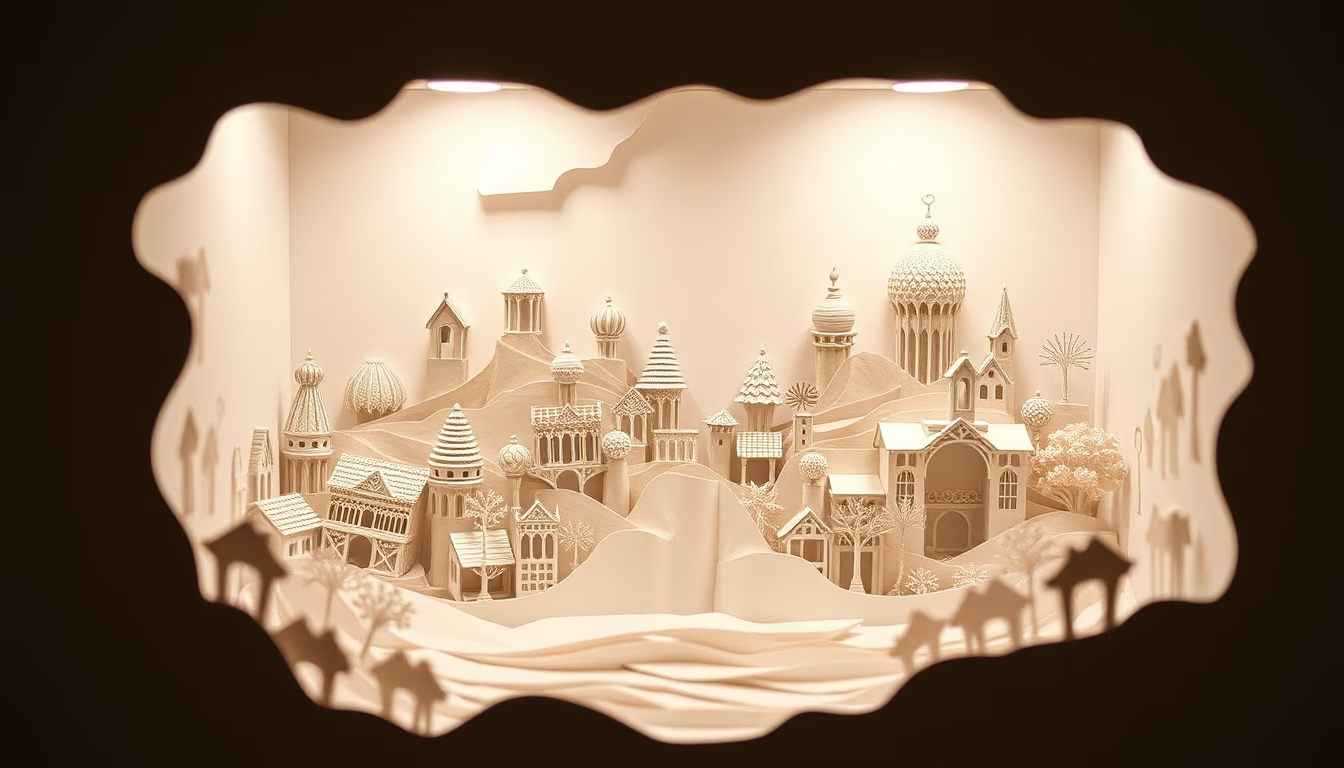
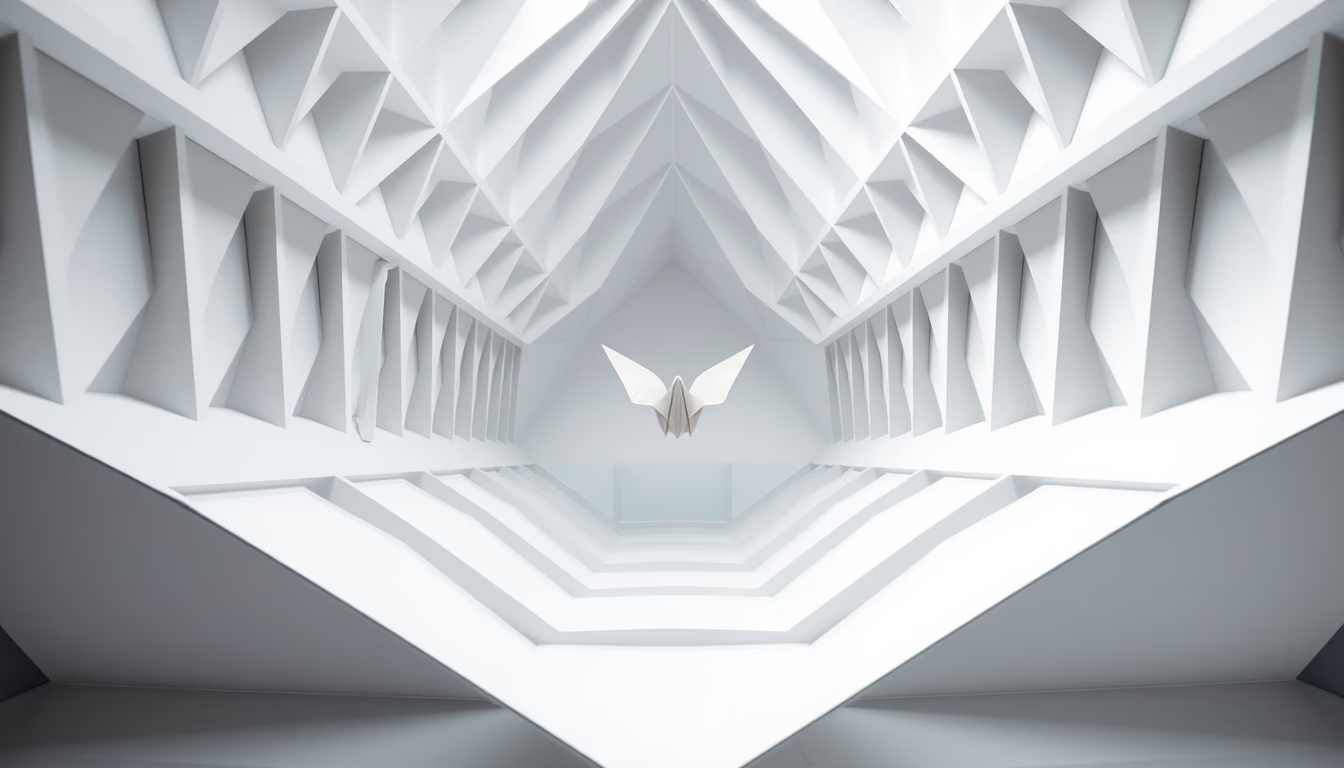
Papercraft architecture is a handcrafted technique that turns sheets of paper into three-dimensional replicas of real or imaginary buildings. Originating from Japanese origami and paper modeling, this practice has gained traction in contemporary design as a rapid prototyping tool and artistic expression. Scales, textures, and light interplay are meticulously studied to capture the essence of structures, from the minimalist Barcelona Pavilion to the complex Taj Mahal.
Artists such as Ingrid Siliakus from the Netherlands elevate the technique to sculpture, using surgical precision in cuts and creases. Another notable name is Italian Riccardo Sabatini, whose paper cities explore the relationship between negative and positive space. In Brazil, the movement is growing, with workshops at cultural centers like Sesc Pompeia teaching children and adults to build everything from simple houses to miniature soccer stadiums.
Architectural photography of papercraft requires controlled lighting to avoid harsh shadows and highlight cut details. Many creators use neutral backgrounds and macro lenses to emphasize paper texture and joints. This symbiosis between craft and documentary photography allows works to be preserved digitally, as paper is fragile and may yellow over time.
The cultural importance of papercraft architecture lies in democratizing architecture. Anyone with paper and scissors can recreate global landmarks, learning concepts of structure, proportion, and perspective. Moreover, it is a sustainable alternative to plastic or wood model making, reusing recycled materials. Online competitions and virtual exhibitions, such as those from the Museum of Papercraft Architecture, expand the reach of this ancient art to new audiences.
Frequently Asked Questions
What materials are used in papercraft architecture?
Paper weights between 180g and 300g, craft knives, cutting rulers, white or stick glue, and basis like push pins for volume.
Which famous buildings are often recreated?
Frank Lloyd Wright's Fallingwater, the Empire State Building, and the Sagrada Familia are classics, but there are also versions of stadiums like Maracanã.
Can papercraft architecture be digitized?
Yes, many artists scan or photograph their works to share online, using software like Photoshop to remove imperfections.
Direct URL
https://pub-c7d6a6ea828543ac903a74a341ccb2e1.r2.dev/imagens/papercraft-architecture-architectural-photography-fresh14.avifHow to credit
Include a visible link back to UtilizAí. Copy one of the snippets below:
<a href="https://xn--utiliza-eza.com/en/midia/imagens/papercraft-architecture-architectural-photography-fresh14">Papercraft architecture</a> by <a href="https://xn--utiliza-eza.com">UtilizAí</a>, licensed under <a href="https://creativecommons.org/licenses/by/4.0/">CC BY 4.0</a>.
[Papercraft architecture](https://xn--utiliza-eza.com/en/midia/imagens/papercraft-architecture-architectural-photography-fresh14) by [UtilizAí](https://xn--utiliza-eza.com), CC BY 4.0
License: CC-BY-4.0