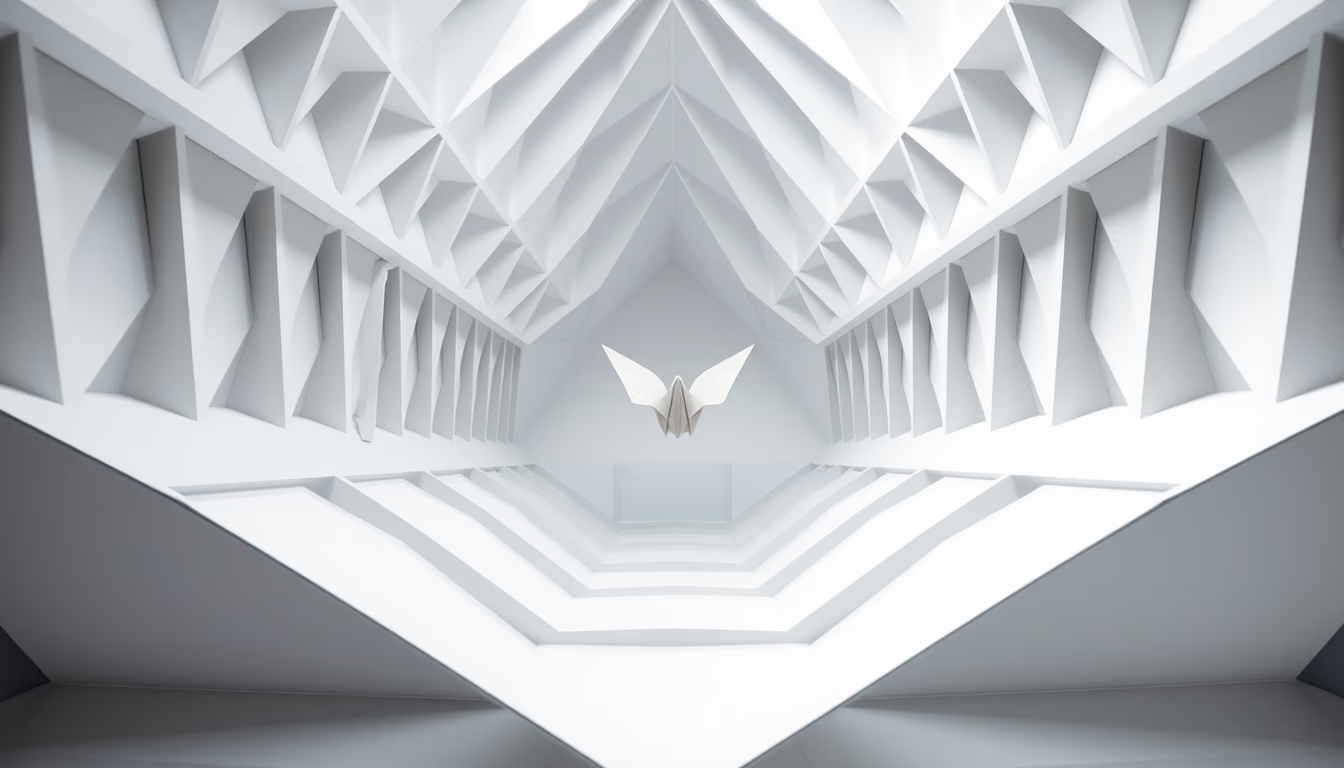
Paper sculpture intricate
1344×768 · AVIF · CC BY 4.0
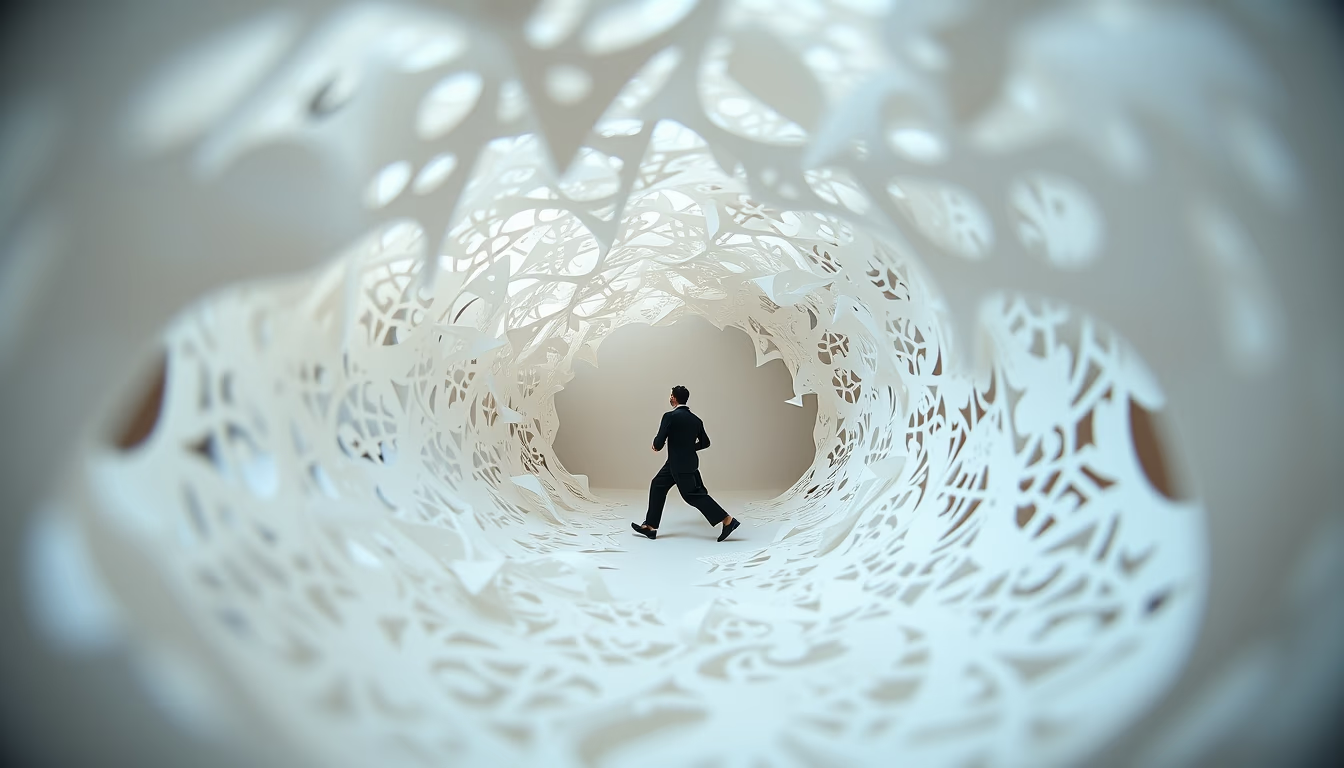
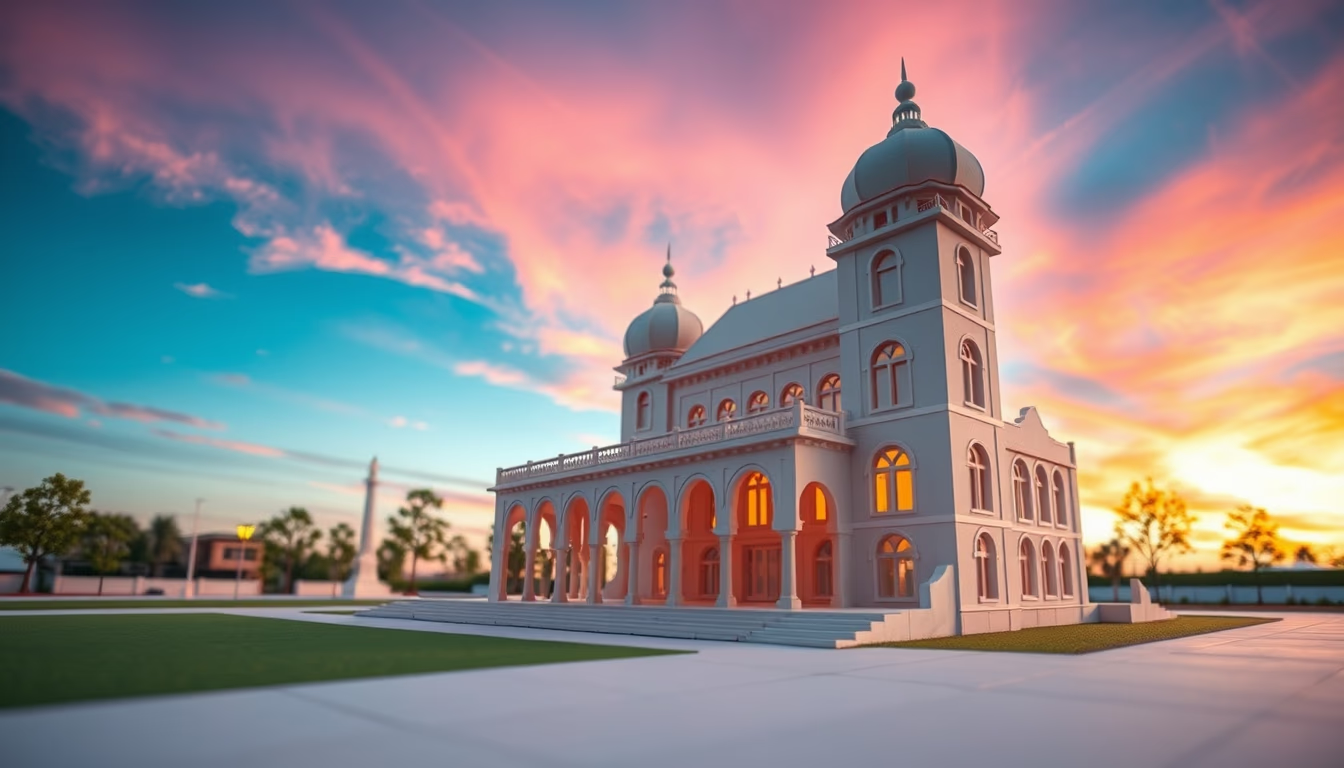
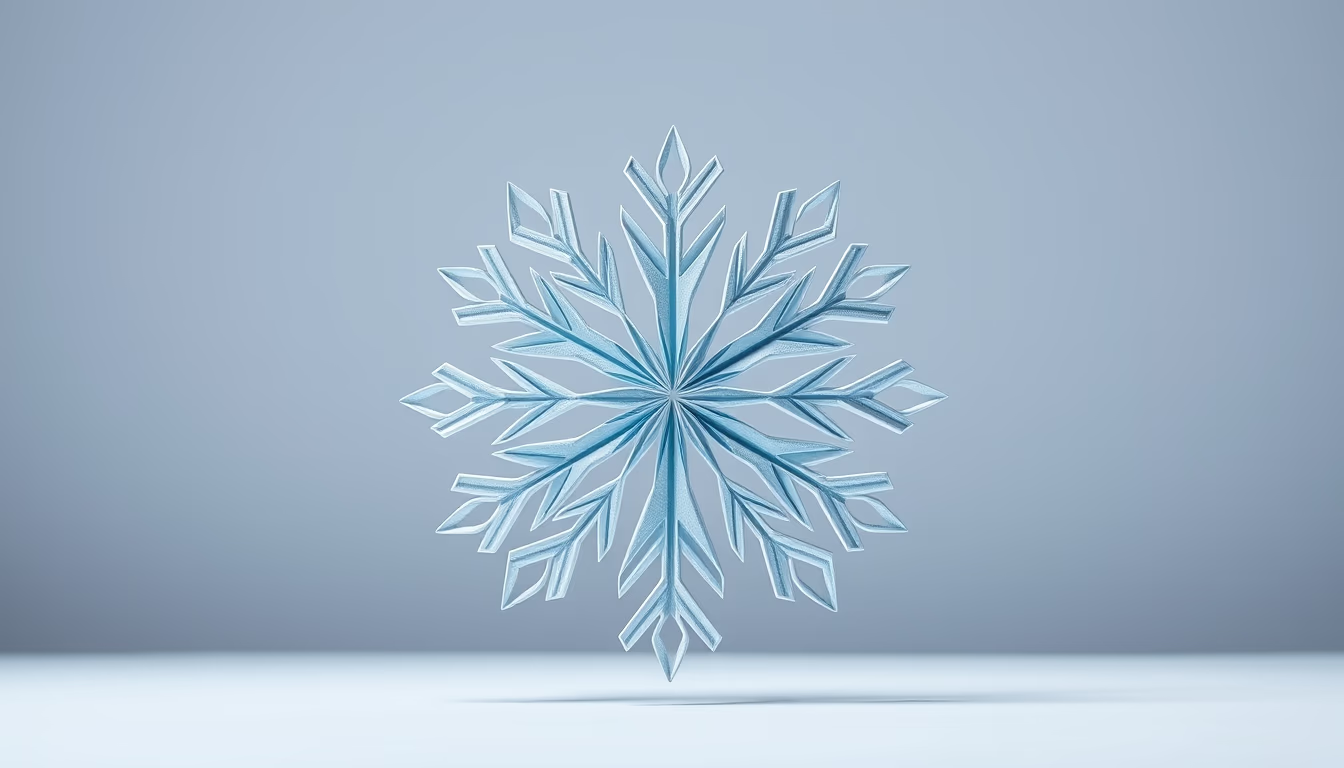
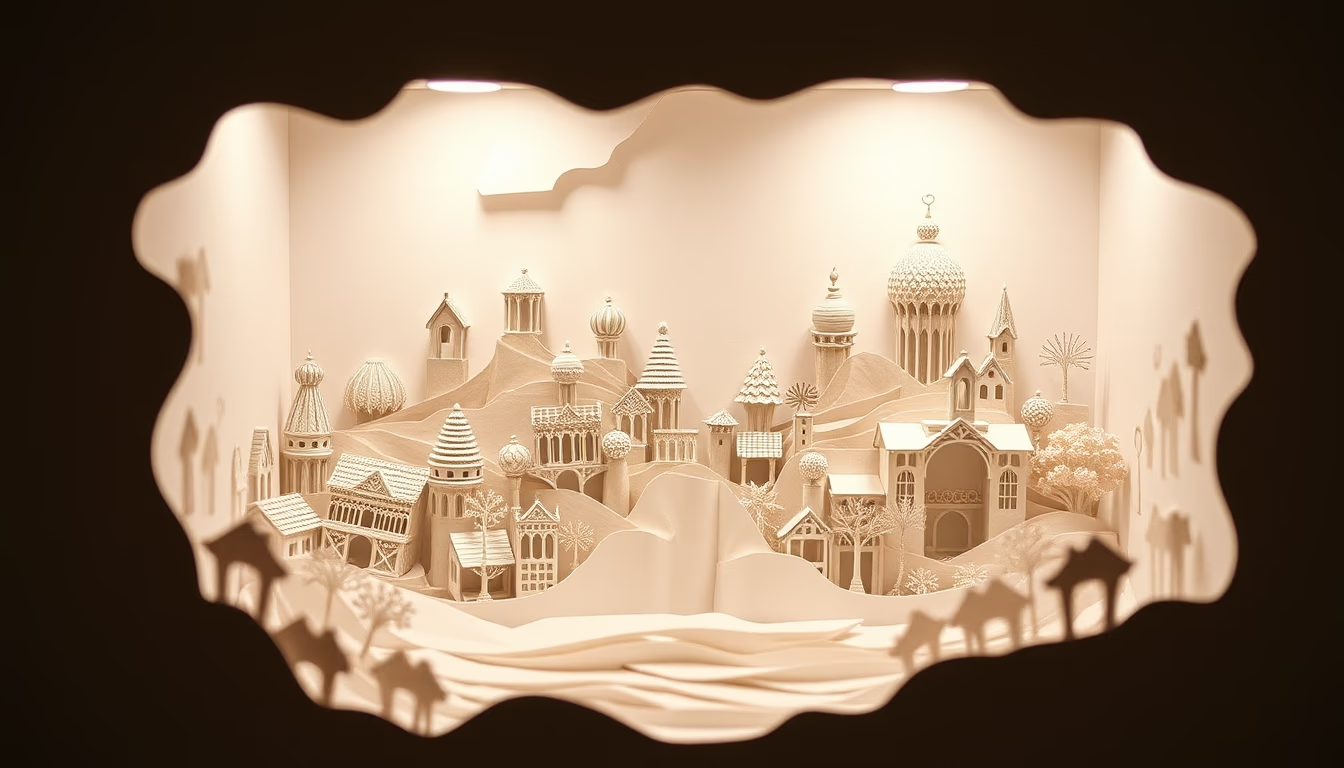
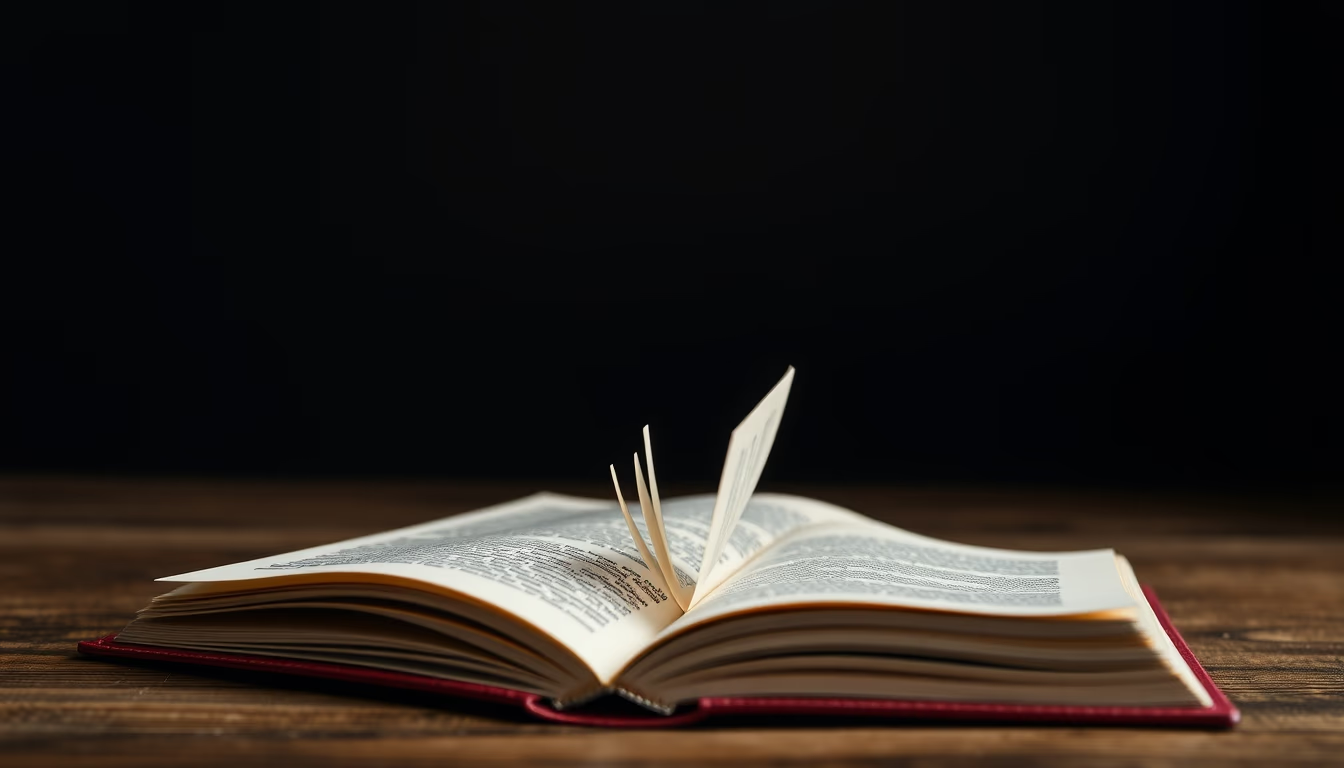
Intricate paper sculptures combine surgical precision and creativity, transforming flat sheets into breathtaking three-dimensional works of art.
About this subject
The art of paper sculpture demands mastery of techniques such as laser cutting, folding, and manual carving. Artists like Peter Callesen and Ayumi Shibata elevate paper to a sculptural level, creating pieces that challenge the material's perceived fragility. Papercutting uses scalpels to carve layered sheets, generating detailed reliefs, while quilling employs rolled and shaped strips to form textures and volumes.
In Brazil, paper sculpture gained prominence in store displays and event decoration, with artists like Marcelo Frazão and the duo Maria do Céu. The fish-eye lens distorts perspective, making sculptures even more impactful in photographs. This capture technique is used by photographers to emphasize the complexity of details, creating a sense of immersion.
Paper choice is crucial: grammages between 120g/m² and 300g/m² provide stiffness without losing malleability. Tracing paper and Canson paper are favorites for their texture and durability. The sculpture can be finished with varnish or resin for protection, but many artists prefer the natural look of paper.
Trivia: the world's largest paper sculpture, recorded in Guinness, was a 10-meter Viking ship made by Danish craftsmen, consuming over 500 sheets. This ancient art dates back to ancient China, where paper was invented, and now dialogues with sustainable design and upcycling.
Frequently Asked Questions
What are the main techniques used in paper sculpture?
Techniques include papercutting (manual cutting with a scalpel), quilling (filigree with paper strips), origami (folding without cuts), and papier-mâché (mashed paper with glue). Each requires specific tools and skills.
What type of paper is ideal for detailed sculptures?
Papers with a grammage between 120 and 300 g/m², such as Canson, Strathmore, or tracing paper, offer a balance between stiffness and malleability. Common bond paper is too thin.
How does fish-eye lens photography influence this art?
The fish-eye lens distorts central perspective, enlarging details and creating a sense of immersion. It is used to highlight the geometric complexity of sculptures and produce a unique visual impact.
Direct URL
https://pub-c7d6a6ea828543ac903a74a341ccb2e1.r2.dev/imagens/paper-sculpture-intricate-fish-eye-wide-angle-fresh3.avifHow to credit
Include a visible link back to UtilizAí. Copy one of the snippets below:
<a href="https://xn--utiliza-eza.com/en/midia/imagens/paper-sculpture-intricate-fish-eye-wide-angle-fresh3">Paper sculpture intricate</a> by <a href="https://xn--utiliza-eza.com">UtilizAí</a>, licensed under <a href="https://creativecommons.org/licenses/by/4.0/">CC BY 4.0</a>.
[Paper sculpture intricate](https://xn--utiliza-eza.com/en/midia/imagens/paper-sculpture-intricate-fish-eye-wide-angle-fresh3) by [UtilizAí](https://xn--utiliza-eza.com), CC BY 4.0
License: CC-BY-4.0