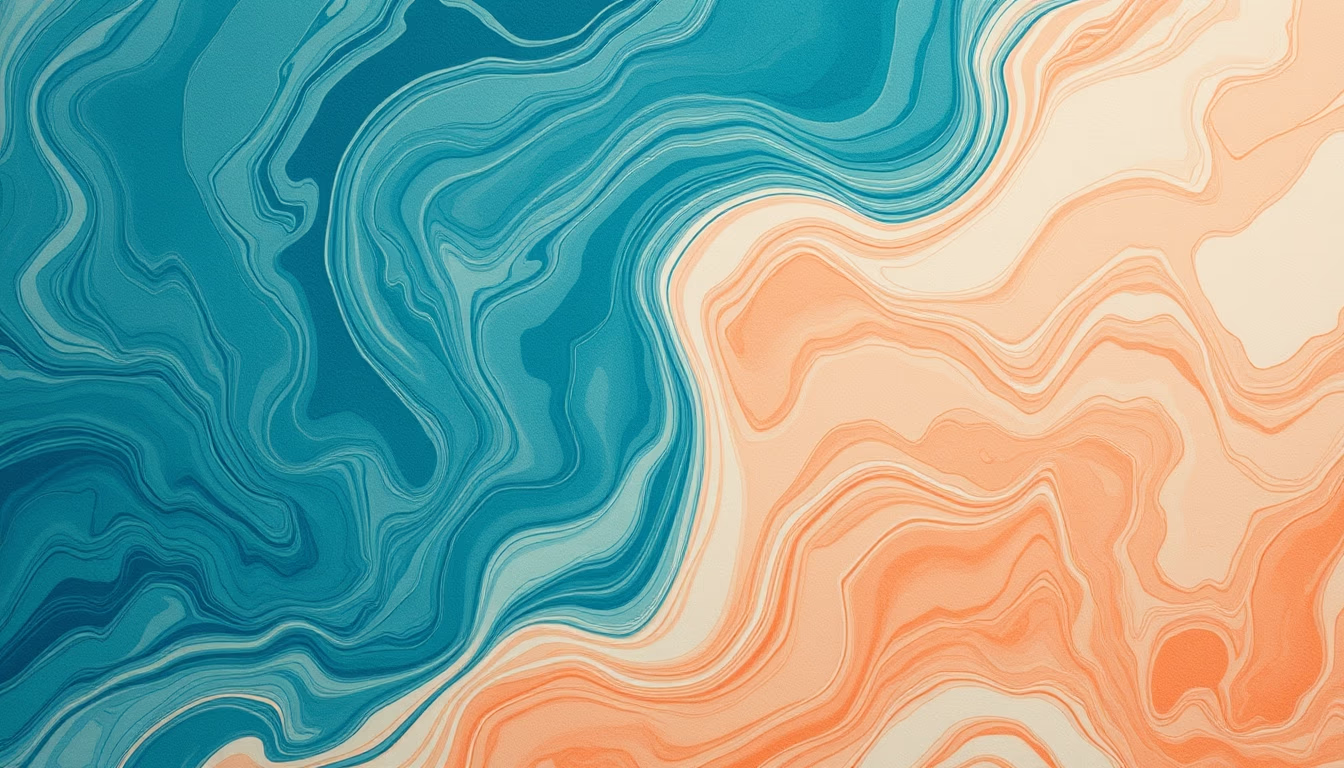
Paper marbling water
1344×768 · AVIF · CC BY 4.0
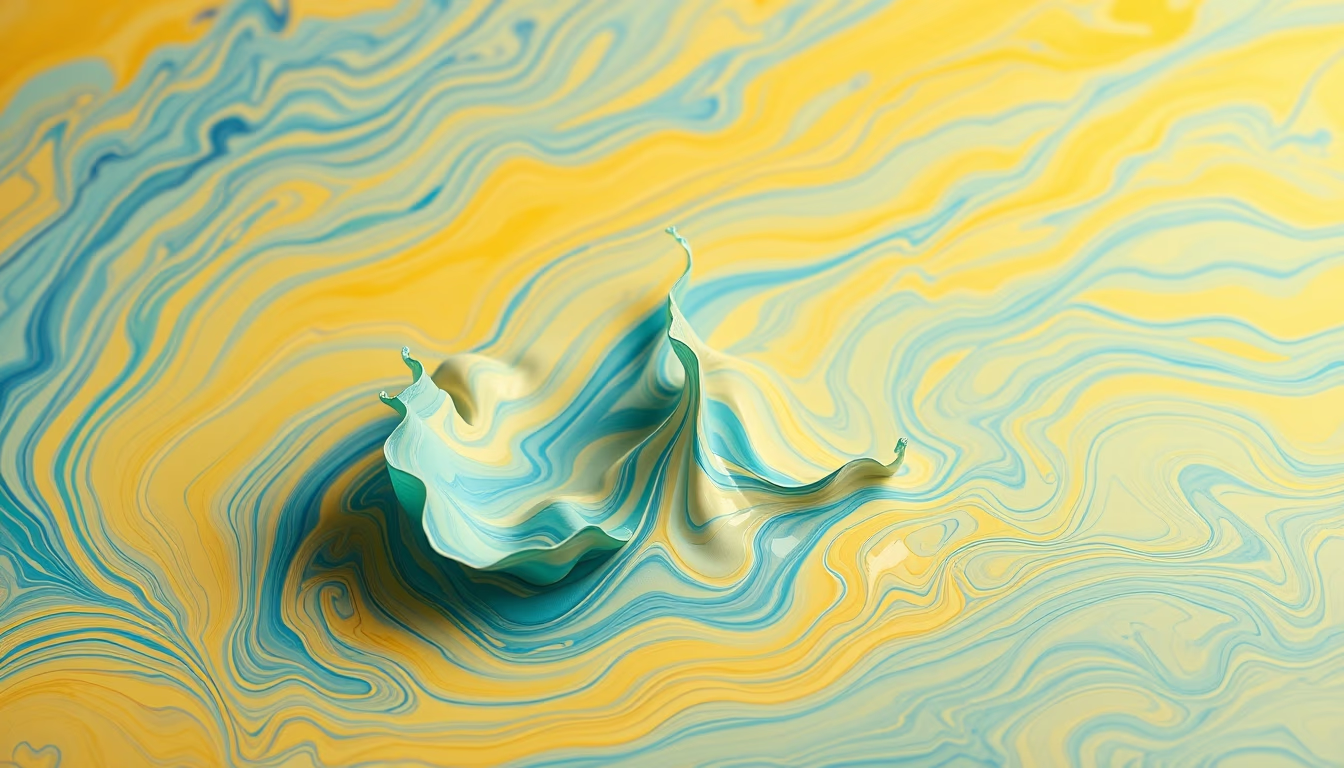
The technique of paper marbling on water, known as suminagashi or ebru, transforms floating inks into unique patterns.
About this subject
Paper marbling is an ancient art that involves floating inks or pigments on the surface of a viscous liquid, usually water mixed with additives like carrageenan or locust bean gum. The artisan manipulates the colors using combs, sticks, or blowing to create patterns that resemble marble, hence the name. A sheet of paper is then carefully laid onto the liquid, transferring the design to the support.
The technique has origins in East Asia, with records from 12th century Japan (suminagashi, meaning "floating ink") and 15th century Turkey (ebru, or "art of clouds"). In Turkey, ebru was inscribed as UNESCO Intangible Cultural Heritage in 2014. It later spread to Europe, where it was used for book endpapers and luxurious wallpapers during the 17th and 19th centuries.
In Brazil, marbling is practiced by artisans and fine artists, often combined with handmade bookbinding and stationery. The process requires fine control of water viscosity and ink density, as well as precise gestures to avoid breaking the colored film. Each print is unrepeatable, giving artistic and collectible value to the pieces.
Beyond its aesthetics, marbling has practical applications in document conservation, graphic design, and even on three-dimensional surfaces like ceramics and fabric. The choice of colors and movements reflects the artist's expression, making this technique a bridge between science, tradition, and creativity.
Frequently Asked Questions
What materials are needed for paper marbling?
Basic materials include water, a thickener (like carrageenan or locust bean gum), marbling paints (or diluted acrylic paints), a shallow tray, combs and rakes for creating patterns, and high-grammage paper. The water surface must have the right viscosity so the paints float without blending.
What is the difference between suminagashi and ebru?
Suminagashi is the Japanese technique, traditionally using only black ink on plain water, creating concentric circular patterns. Ebru is the Turkish technique, using a water-thickener solution and multiple colors, allowing more complex patterns like flowers and waves. Both share the floating principle but differ in tools and styles.
Can paper marbling be done at home?
Yes, it is possible to adapt the technique at home with alternative materials, such as gelatin to thicken water and food coloring. However, control of viscosity and paint quality affects the result. It is advisable to practice on inexpensive paper before using special paper.
Direct URL
https://pub-c7d6a6ea828543ac903a74a341ccb2e1.r2.dev/imagens/paper-marbling-water-studio-still-life-fresh16.avifHow to credit
Include a visible link back to UtilizAí. Copy one of the snippets below:
<a href="https://xn--utiliza-eza.com/en/midia/imagens/paper-marbling-water-studio-still-life-fresh16">Paper marbling water</a> by <a href="https://xn--utiliza-eza.com">UtilizAí</a>, licensed under <a href="https://creativecommons.org/licenses/by/4.0/">CC BY 4.0</a>.
[Paper marbling water](https://xn--utiliza-eza.com/en/midia/imagens/paper-marbling-water-studio-still-life-fresh16) by [UtilizAí](https://xn--utiliza-eza.com), CC BY 4.0
License: CC-BY-4.0