Paint roller and tray
1344×768 · AVIF · CC BY 4.0
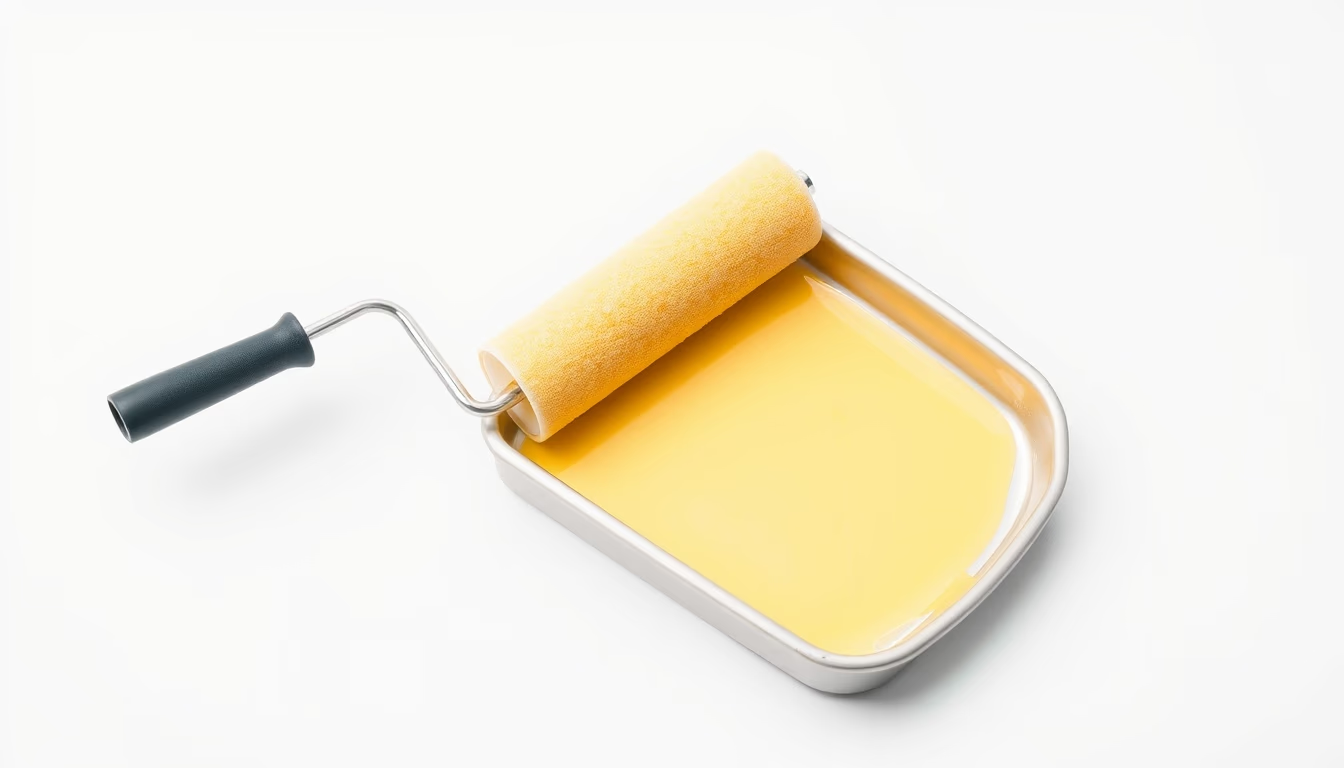
A paint roller and tray set is essential for painting walls and surfaces efficiently and evenly.
About this subject
The paint roller and tray set is an indispensable tool for painting projects, allowing fast and even application of paint on large surfaces. It consists of a rotating cylinder covered with absorbent material (lambswool, foam, or microfiber) and a tray with a textured bottom that facilitates loading the roller and controlling the amount of paint.
Different types of rollers suit different applications. Lambswool rollers are traditional and work well with water-based or oil-based paints, while foam rollers are ideal for smooth finishes with acrylic paints. Microfiber rollers have gained popularity for offering less splatter and better coverage. Sizes range from 5 to 45 centimeters in width, with 23 cm being the most common for walls.
The modern paint roller was invented in 1940 by Canadian Richard Crofton, who sought a faster alternative to brushes. The patent was granted in 1946 and quickly revolutionized the home painting market. Before that, painters used only brushes, making the job much more time-consuming.
For best results, it is essential to choose the right roller for the paint type and surface. Short-nap rollers produce smoother textures, while long-nap rollers are better for rough surfaces. The textured bottom of the tray helps remove excess paint from the roller, ensuring uniform application. After use, rollers should be cleaned immediately according to paint type: water for latex paints, solvent for oil-based paints.
Frequently Asked Questions
Which roller is best for each type of paint?
For latex or acrylic paints, prefer microfiber or lambswool rollers. For oil-based paints, lambswool rollers are suitable. Foam rollers are great for varnishes and acrylic paints on smooth surfaces.
How to clean a paint roller after use?
For latex paint, wash with warm water and mild soap until the water runs clear. For oil-based paint, use solvent (like mineral spirits). Always remove excess paint first and dry thoroughly before storing.
Why does the paint tray have a textured bottom?
The textured bottom helps remove excess paint from the roller, ensuring more even application and preventing drips. This results in a uniform finish and reduces waste.
Direct URL
https://pub-c7d6a6ea828543ac903a74a341ccb2e1.r2.dev/imagens/paint-roller-and-tray-commercial-product-photography-p3.avifHow to credit
Include a visible link back to UtilizAí. Copy one of the snippets below:
<a href="https://xn--utiliza-eza.com/en/midia/imagens/paint-roller-and-tray-commercial-product-photography-p3">Paint roller and tray</a> by <a href="https://xn--utiliza-eza.com">UtilizAí</a>, licensed under <a href="https://creativecommons.org/licenses/by/4.0/">CC BY 4.0</a>.
[Paint roller and tray](https://xn--utiliza-eza.com/en/midia/imagens/paint-roller-and-tray-commercial-product-photography-p3) by [UtilizAí](https://xn--utiliza-eza.com), CC BY 4.0
License: CC-BY-4.0