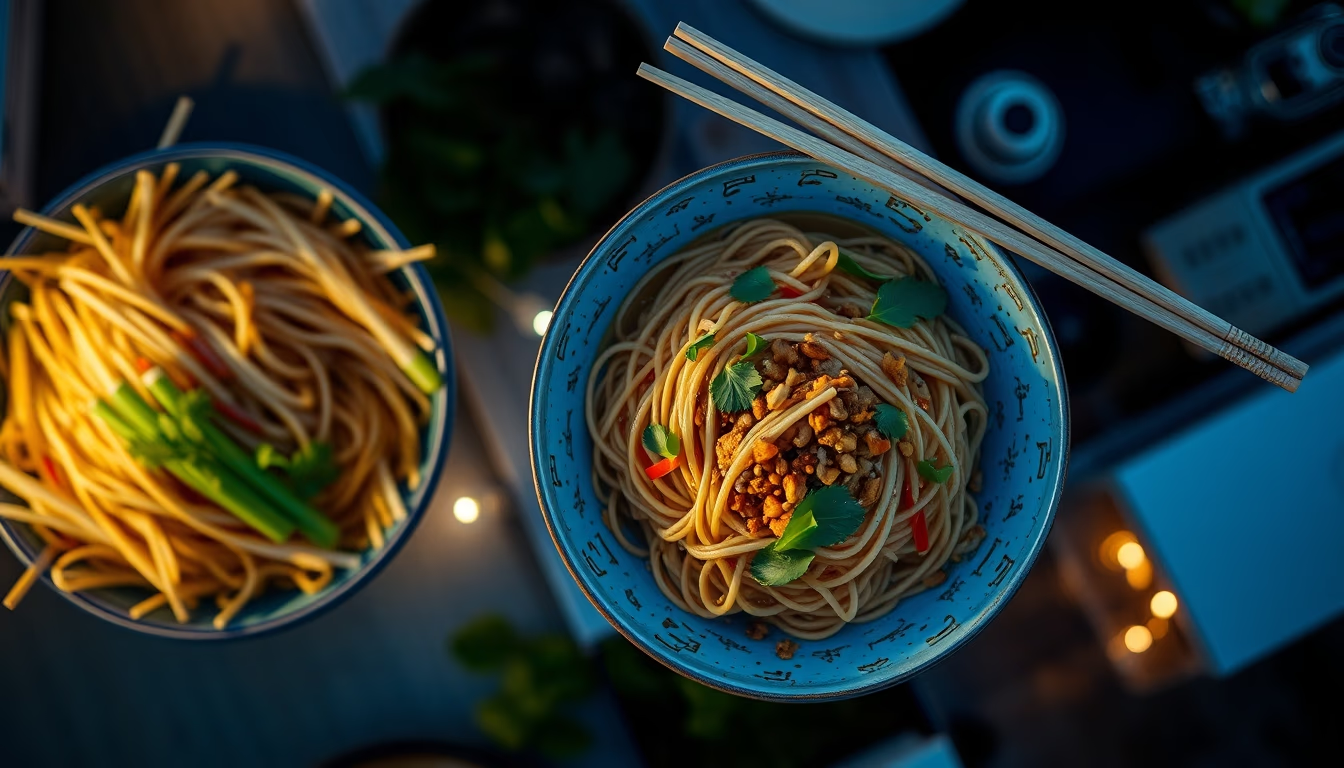
Pad thai noodles
1344×768 · AVIF · CC BY 4.0
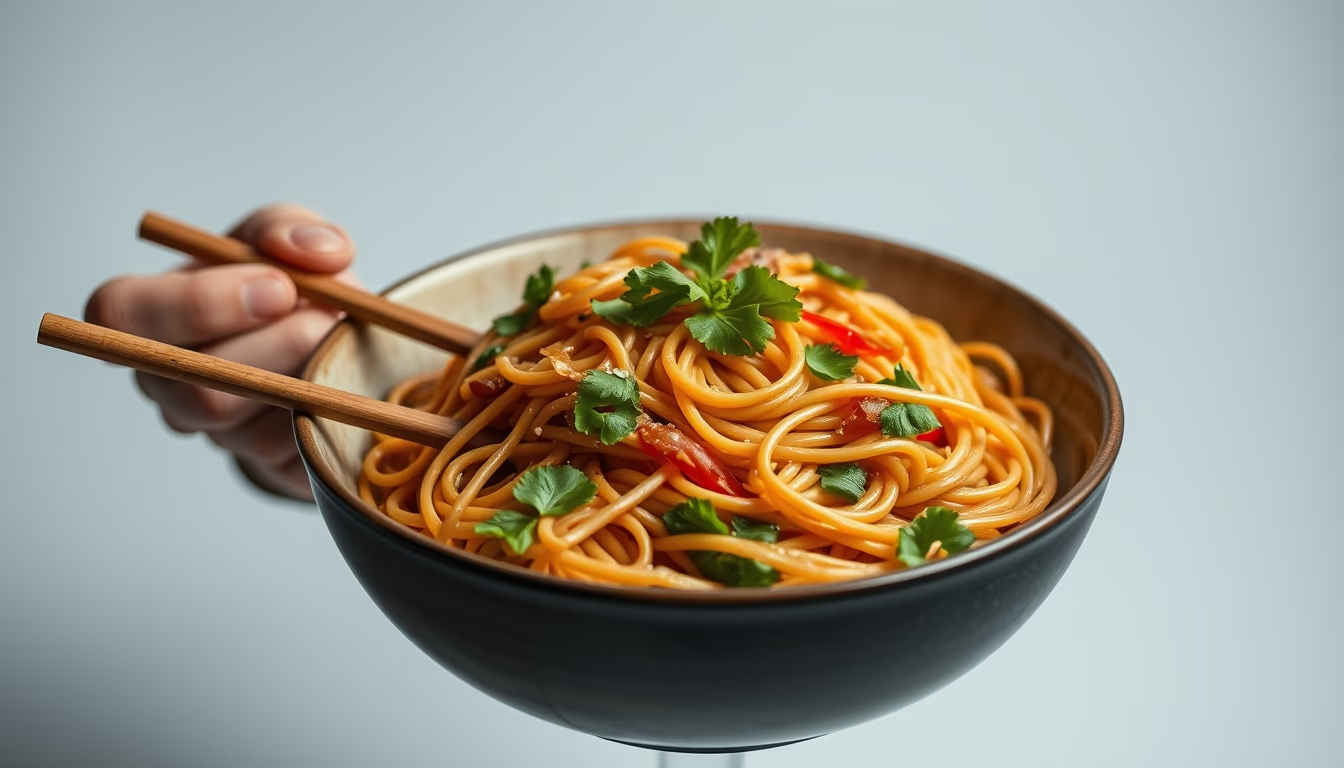
Pad thai is a classic Thai street food noodle dish, balancing sweet, sour, and savory flavors with fresh herbs and protein.
About this subject
Pad thai is a stir-fried rice noodle dish that has become a global symbol of Thai cuisine. Its origins trace back to the 1930s, when Prime Minister Phibunsongkhram's government promoted rice noodles as a substitute for wheat noodles to reduce import dependency and build national identity. The dish was named "pad thai," meaning "Thai-style fried," and quickly gained popularity in street stalls in Bangkok and beyond.
Key ingredients include thin rice noodles (sen lek), protein such as shrimp, chicken, or tofu, bean sprouts, egg, roasted peanuts, scallions, and lime wedges. The sauce is a balanced blend of tamarind paste (sour), fish sauce (salty), palm sugar (sweet), and optionally chili. The cooking technique requires high heat in a wok, constant tossing, and precise timing to achieve the signature chewy-tender texture without sticking.
Culturally, pad thai has moved beyond street food to appear in restaurants worldwide, often adapted to local tastes by reducing heat or swapping proteins. In Thailand, it remains affordable street eats, typically served with extra bean sprouts and dried chili flakes. Despite its international fame, it is a relatively modern creation, not an ancient recipe.
A noted fact: in 2011, CNN Travel ranked pad thai fifth in its list of the world's 50 most delicious foods. The authentic version emphasizes a slightly crispy exterior and soft interior from perfect wok hei. This dish has popularized ingredients like tamarind and fish sauce in kitchens across the globe, showcasing the depth of Thai culinary balance.
Frequently Asked Questions
What is pad thai?
Pad thai is a Thai stir-fried rice noodle dish with a sweet-savory tamarind sauce, protein (shrimp, chicken, or tofu), bean sprouts, and peanuts, typically served with lime and scallions.
What are the main ingredients in pad thai?
Key ingredients include rice noodles, tamarind paste, fish sauce, palm sugar, egg, bean sprouts, roasted peanuts, scallions, and lime. Protein choices vary: shrimp, chicken, or tofu.
How did pad thai become popular in Thailand?
Pad thai was promoted by the Thai government in the 1930s, 40s as part of a nationalist campaign to reduce rice consumption and encourage rice noodle use, quickly becoming a street food icon.
Direct URL
https://pub-c7d6a6ea828543ac903a74a341ccb2e1.r2.dev/imagens/pad-thai-noodles-studio-editorial-portrait-fresh16.avifHow to credit
Include a visible link back to UtilizAí. Copy one of the snippets below:
<a href="https://xn--utiliza-eza.com/en/midia/imagens/pad-thai-noodles-studio-editorial-portrait-fresh16">Pad thai noodles</a> by <a href="https://xn--utiliza-eza.com">UtilizAí</a>, licensed under <a href="https://creativecommons.org/licenses/by/4.0/">CC BY 4.0</a>.
[Pad thai noodles](https://xn--utiliza-eza.com/en/midia/imagens/pad-thai-noodles-studio-editorial-portrait-fresh16) by [UtilizAí](https://xn--utiliza-eza.com), CC BY 4.0
License: CC-BY-4.0