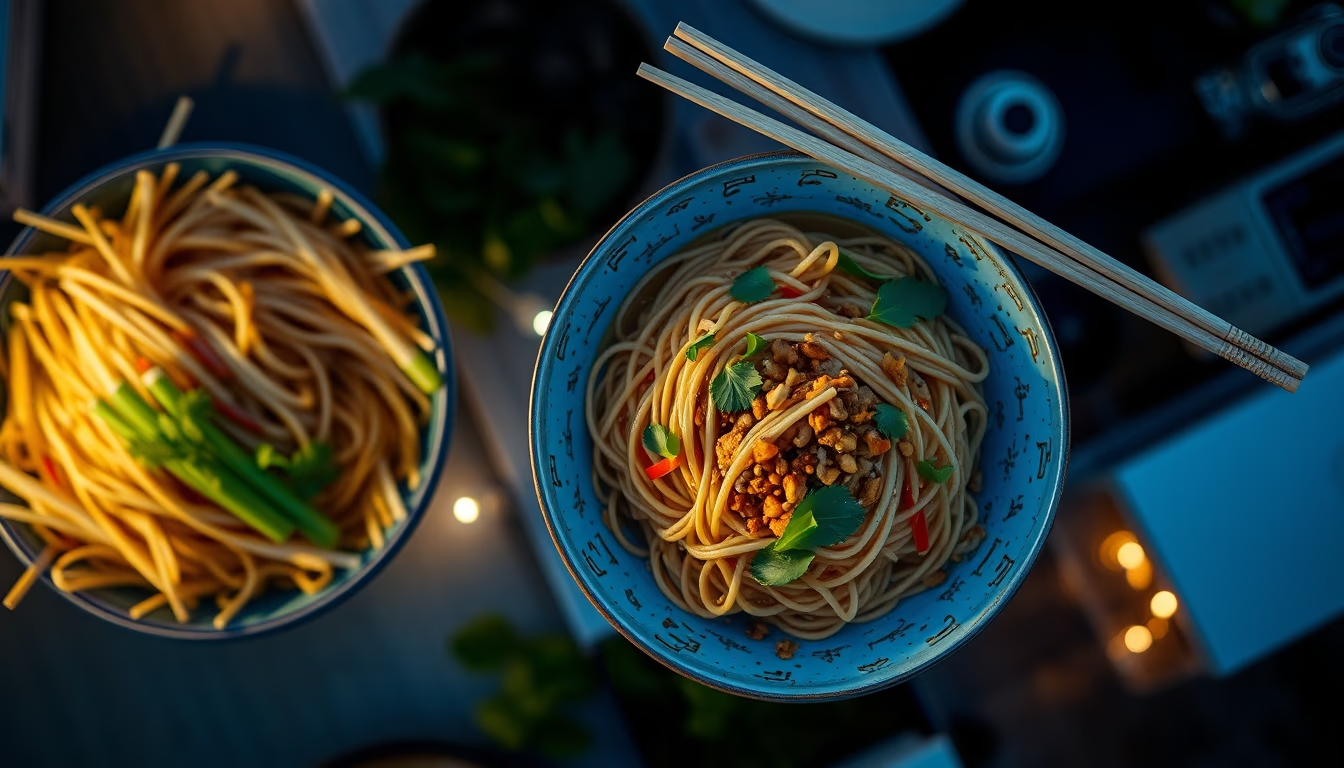
Pad thai noodles
1344×768 · AVIF · CC BY 4.0
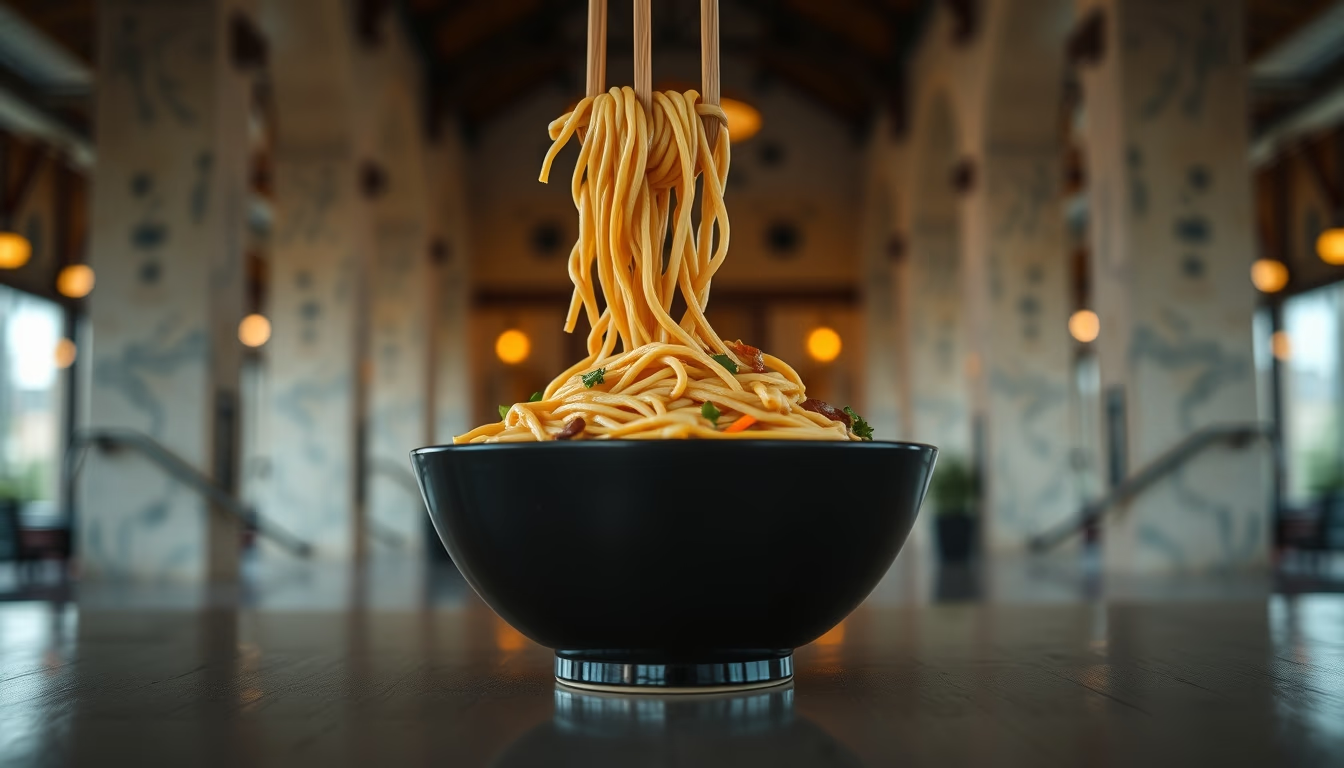
Pad thai is a classic Thai dish featuring stir-fried rice noodles with shrimp, tofu, bean sprouts, and peanuts, offering a perfect balance of sweet, sour, and savory flavors.
About this subject
Pad thai is one of Thailand's most iconic dishes, celebrated worldwide for its harmonious blend of sweet, sour, and savory flavors. Originally introduced to the Ayutthaya region by Vietnamese traders, the dish was popularized in the 1930s under Prime Minister Plaek Phibunsongkhram as part of a campaign to strengthen Thai national identity. The traditional recipe features flat rice noodles (sen chan) stir-fried in a wok with tamarind paste, fish sauce, palm sugar, and chili, along with proteins like shrimp, chicken, or tofu. The final touch includes fresh bean sprouts, scallions, roasted peanuts, and a lime wedge, which balance the sweet-and-sour profile.
The original version was simpler, but over time it has evolved into numerous regional and international variations. In Thailand, pad thai is typically sold by street vendors and in specialized eateries, being one of the most requested dishes by tourists. The use of tamarind is essential for its characteristic taste, although some Western adaptations substitute it with ketchup or lemon juice. The dish is often served with extra chili flakes and sugar, allowing diners to customize the seasoning.
Culturally, pad thai symbolizes the globalization of Thai cuisine. In 2011, CNN Travel ranked it among the 50 most delicious foods in the world. While consumed year-round, it is especially popular during festivals like Songkran (Thai New Year). Nutritionally, the dish provides a balance of carbohydrates from the noodles, protein from shrimp or tofu, and healthy fats from peanuts, making it a relatively balanced meal when prepared with fresh ingredients. The technique of stir-frying over high heat in a wok is crucial to achieve the slightly caramelized texture and smoky aroma (wok hei) that define authentic pad thai.
Frequently Asked Questions
What is the origin of pad thai?
Pad thai was introduced to Thailand by Vietnamese traders but gained popularity in the 1930s as part of a nationalist campaign to promote Thai identity, replacing rice consumption with rice noodles.
What makes authentic pad thai?
Authentic flavor comes from tamarind paste, fish sauce, and palm sugar, along with the stir-frying technique over high heat in a wok, which imparts a smoky aroma known as 'wok hei'.
Is pad thai a healthy dish?
Yes, when prepared with fresh ingredients and limited oil. It provides carbohydrates, protein, and healthy fats, but street versions can be high in calories due to added sugar and oil.
Direct URL
https://pub-c7d6a6ea828543ac903a74a341ccb2e1.r2.dev/imagens/pad-thai-noodles-architectural-photography-fresh5.avifHow to credit
Include a visible link back to UtilizAí. Copy one of the snippets below:
<a href="https://xn--utiliza-eza.com/en/midia/imagens/pad-thai-noodles-architectural-photography-fresh5">Pad thai noodles</a> by <a href="https://xn--utiliza-eza.com">UtilizAí</a>, licensed under <a href="https://creativecommons.org/licenses/by/4.0/">CC BY 4.0</a>.
[Pad thai noodles](https://xn--utiliza-eza.com/en/midia/imagens/pad-thai-noodles-architectural-photography-fresh5) by [UtilizAí](https://xn--utiliza-eza.com), CC BY 4.0
License: CC-BY-4.0