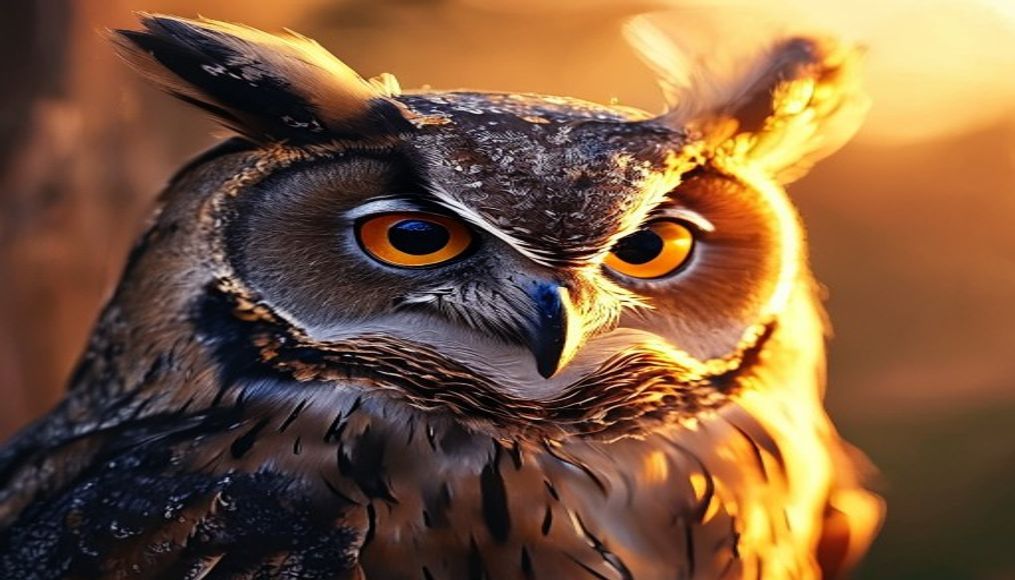
Owl barn macro face
1344×768 · JPG · CC BY 4.0
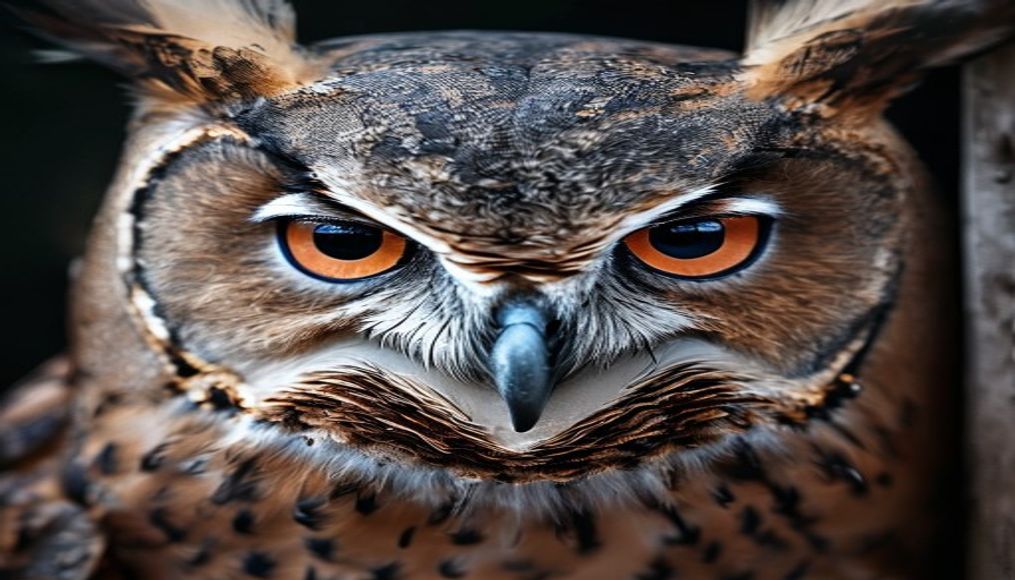
A macro close-up of a barn owl's face reveals the intricate details of its heart-shaped facial disc and dark eyes, highlighting its specialized adaptations for nocturnal hunting.
About this subject
The barn owl (Tyto alba) is one of the most widely distributed birds of prey on Earth, found on every continent except Antarctica. Its name comes from its preference for roosting in barns, church towers, and other human structures. The most striking feature is its heart-shaped facial disc, which acts as a parabolic dish to funnel sound into its asymmetrical ears. One ear is positioned higher than the other, allowing the owl to pinpoint prey with astonishing accuracy even in complete darkness, relying solely on auditory cues.
The barn owl's plumage is soft and dense, with golden, gray, and white tones that provide effective camouflage against the night sky. Its flight feathers have serrated edges that break up airflow, resulting in nearly silent flight, a critical adaptation for surprising rodents and other small mammals. The large, forward-facing eyes are adapted for low-light vision but have limited movement, compensated by the ability to rotate the head up to 270 degrees.
Culturally, the barn owl carries mixed symbolism. In ancient Greece, it was associated with wisdom and the goddess Athena. In many parts of Europe and Brazil, however, its screeching call and nocturnal habits have spawned superstitions, often seen as an omen of bad luck. Yet its ecological role is undeniable: a single barn owl can consume hundreds of rodents per month, providing natural pest control in agricultural areas. A macro photograph of the face reveals fine details such as the tiny feathers around the eyes and the texture of the facial disc, showcasing the evolutionary sophistication of this master of the night.
Frequently Asked Questions
What is the function of the barn owl's facial disc?
The heart-shaped facial disc acts like a parabolic dish, channeling sound waves to the owl's asymmetrical ears, enabling it to pinpoint prey with precision even in darkness.
Why are barn owls considered beneficial to farmers?
They primarily feed on rodents such as mice and rats, naturally controlling agricultural pest populations and reducing the need for chemical pesticides.
How does the barn owl hunt in complete darkness?
It relies on its exceptional hearing, enhanced by asymmetrical ears and the facial disc that amplifies sound. After locating prey by sound, it executes a silent, precise flight to capture it.
Direct URL
https://pub-c7d6a6ea828543ac903a74a341ccb2e1.r2.dev/imagens/owl-barn-macro-face-documentary-photography-p3.jpgHow to credit
Include a visible link back to UtilizAí. Copy one of the snippets below:
<a href="https://xn--utiliza-eza.com/en/midia/imagens/owl-barn-macro-face-documentary-photography-p3">Owl barn macro face</a> by <a href="https://xn--utiliza-eza.com">UtilizAí</a>, licensed under <a href="https://creativecommons.org/licenses/by/4.0/">CC BY 4.0</a>.
[Owl barn macro face](https://xn--utiliza-eza.com/en/midia/imagens/owl-barn-macro-face-documentary-photography-p3) by [UtilizAí](https://xn--utiliza-eza.com), CC BY 4.0
License: CC-BY-4.0