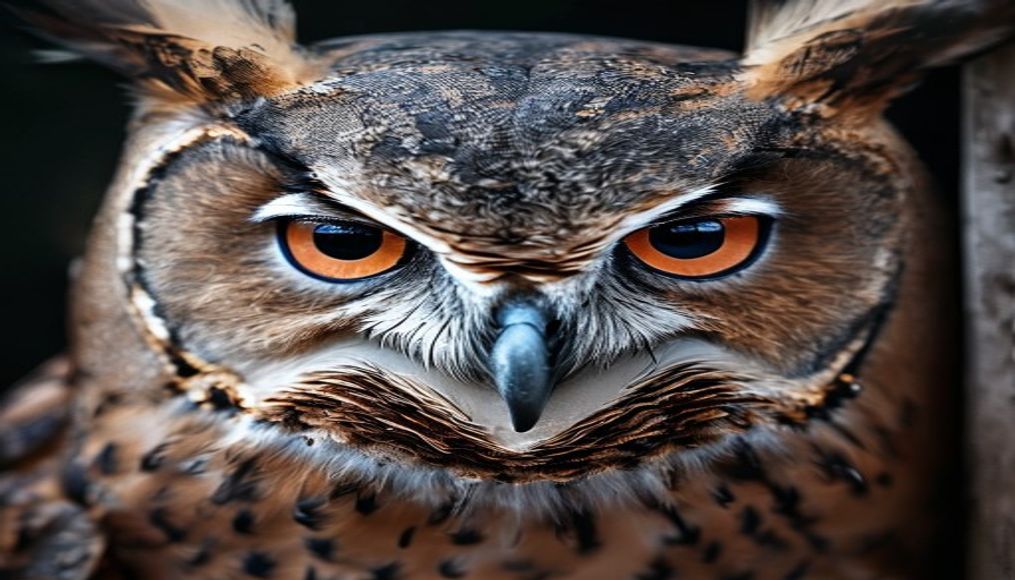
Owl barn macro face
1344×768 · JPG · CC BY 4.0
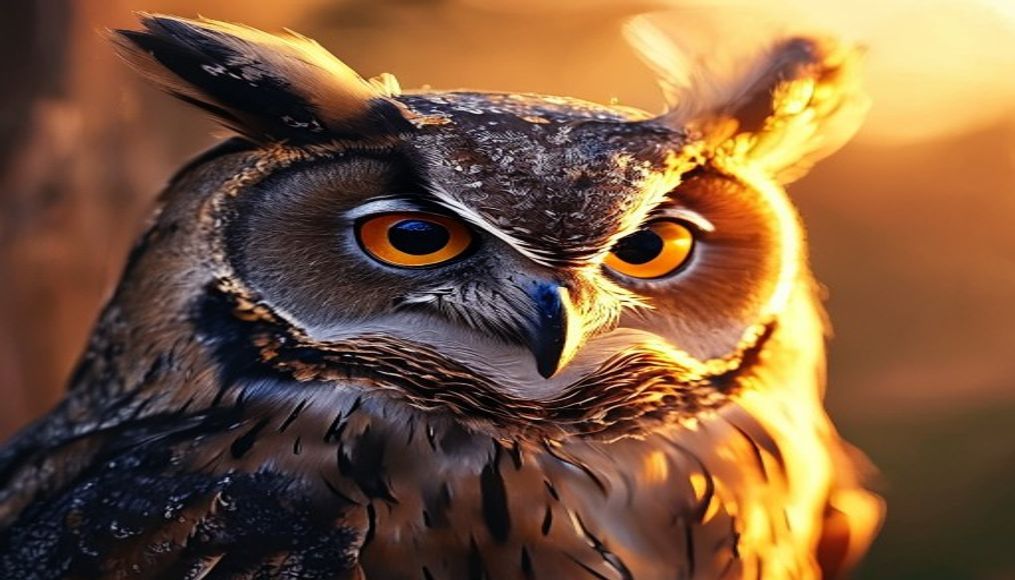
The barn owl (Tyto alba) is one of the most widely distributed birds of prey, famous for its heart-shaped facial disc.
About this subject
The barn owl (Tyto alba) is one of the most widespread land birds, found on every continent except Antarctica. It favors open habitats such as grasslands, farmlands, and marshes, often roosting and nesting in man-made structures like barns, church towers, and abandoned buildings. Its upperparts are a mix of golden-brown and gray with fine white speckles, while the underparts are pale with small dark spots. The iconic heart-shaped facial disc, white or pinkish, funnels sound to the owl's asymmetrical ears, enabling it to pinpoint prey in complete darkness.
Barn owls are nocturnal hunters, specializing in small mammals, particularly rodents. Their hearing is so acute that they can capture prey hidden under snow or dense vegetation. Specialized feathers with fringed edges allow for silent flight, making them stealthy predators. Unlike many owls, barn owls do not hoot; instead, they produce a long, harsh screech or hiss. They are also known for their distinctive hissing and bill-snapping defensive displays.
Culturally, barn owls have a mixed reputation. In some European folklore, they are omens of death, while in other traditions they symbolize wisdom. In Brazil, they are called suindara or coruja-de-igreja and are protected due to their role in natural pest control. Threats include habitat loss, pesticide poisoning, and road mortality. Conservation efforts, such as providing nest boxes, have successfully boosted populations in many areas.
Frequently Asked Questions
Why do barn owls have a heart-shaped face?
The heart-shaped facial disc acts like a radar dish, channeling sound waves to the owl's ears. This adaptation enhances hearing and allows the owl to pinpoint prey even in total darkness.
How does a barn owl differ from other owls?
Barn owls have a distinct heart-shaped face and dark eyes, whereas most owls have yellow or orange eyes. Their flight is exceptionally silent, and they produce a harsh screech instead of a hoot.
Are barn owls endangered?
Globally, barn owls are listed as Least Concern by the IUCN, but some local populations are declining due to habitat loss and pesticides. Conservation programs using nest boxes have helped stabilize numbers in many regions.
Direct URL
https://pub-c7d6a6ea828543ac903a74a341ccb2e1.r2.dev/imagens/owl-barn-macro-face-cinematic-wide-shot-p4.jpgHow to credit
Include a visible link back to UtilizAí. Copy one of the snippets below:
<a href="https://xn--utiliza-eza.com/en/midia/imagens/owl-barn-macro-face-cinematic-wide-shot-p4">Owl barn macro face</a> by <a href="https://xn--utiliza-eza.com">UtilizAí</a>, licensed under <a href="https://creativecommons.org/licenses/by/4.0/">CC BY 4.0</a>.
[Owl barn macro face](https://xn--utiliza-eza.com/en/midia/imagens/owl-barn-macro-face-cinematic-wide-shot-p4) by [UtilizAí](https://xn--utiliza-eza.com), CC BY 4.0
License: CC-BY-4.0