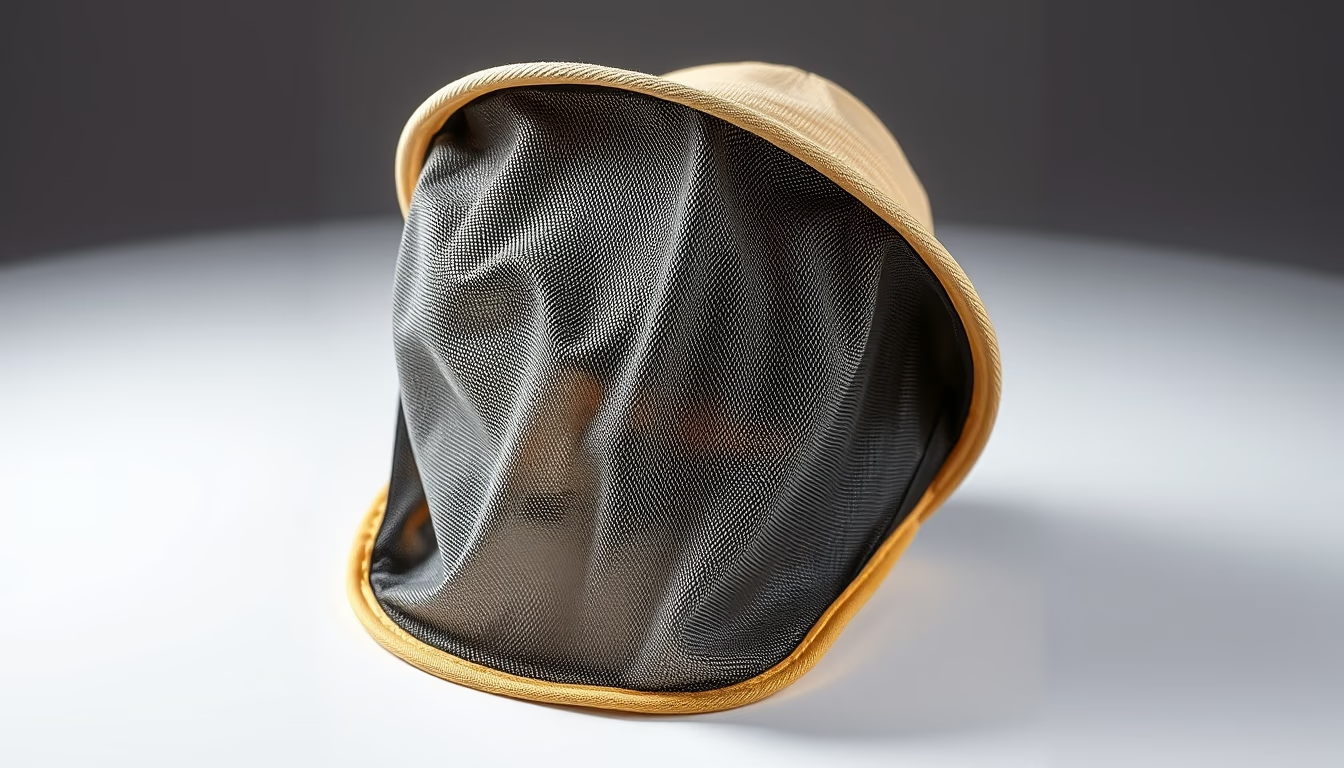
Organ on chip device
1344×768 · AVIF · CC BY 4.0

Organ-on-a-chip devices replicate human organ functions in microchannels, revolutionizing drug testing without animal models.
About this subject
Organ-on-a-chip is a microfluidic technology that mimics the functions of human organs on a miniature scale, typically the size of a USB drive. These devices contain microscopic channels lined with living human cells, through which nutrients and drugs flow, recreating the physiological microenvironment of organs such as the lung, liver, heart, or kidney. Unlike traditional cell cultures in dishes, chips allow interaction between different cell types, simulated blood flow, and even communication between multiple organs in a single system, known as body-on-a-chip.
The technology emerged in the early 2000s in Donald Ingber's lab at Harvard University, inspired by microfluidic systems. In 2010, Ingber's team published the first breathing lung chip, mimicking the mechanical motions of respiration. Since then, chips have evolved to include disease models, toxicity testing, and personalized drug development. Major pharmaceutical companies and regulatory agencies like the FDA already use organ-on-a-chip data to complement preclinical studies, reducing reliance on animal testing.
A crucial advantage is the ability to model human diseases accurately, something animal models cannot always replicate. For instance, liver chips have helped predict hepatotoxicity of compounds before clinical trials. Additionally, the technology can test drug effects on specific genetic populations, paving the way for personalized medicine. Companies such as Emulate, Mimetas, and TissUse currently commercialize chips for academic and industrial research. Costs remain high but are expected to decrease with standardization and mass production.
In Brazil, the field is emerging. Groups like the Microfluidics Laboratory at USP and the Institute of Physics of São Carlos investigate applications in tropical diseases and parasites. In 2023, Fiocruz announced partnerships to develop chips for testing drugs against dengue and chikungunya. Despite progress, challenges remain: scalability, sensor integration, and regulatory validation. The expectation is that within the next decade, organ-on-a-chip will become standard in R&D labs, complementing and even replacing some animal tests.
Frequently Asked Questions
How does an organ-on-a-chip work?
An organ-on-a-chip is a device with microscopic channels where living human cells are cultured. A continuous flow of nutrients and drugs mimics blood circulation, while sensors monitor cellular responses in real time.
What are the advantages of organ-on-a-chip over animal testing?
Chips provide more accurate human models, reduce research costs and time, and eliminate ethical concerns of animal use. They also allow testing effects on specific genetic populations.
Is organ-on-a-chip commercially available?
Yes, companies like Emulate, Mimetas, and TissUse sell chips for pharmaceutical and academic research. The FDA already accepts chip data to assist in drug approval.
Direct URL
https://pub-c7d6a6ea828543ac903a74a341ccb2e1.r2.dev/imagens/organ-on-chip-device-fine-art-photography-p10.avifHow to credit
Include a visible link back to UtilizAí. Copy one of the snippets below:
<a href="https://xn--utiliza-eza.com/en/midia/imagens/organ-on-chip-device-fine-art-photography-p10">Organ on chip device</a> by <a href="https://xn--utiliza-eza.com">UtilizAí</a>, licensed under <a href="https://creativecommons.org/licenses/by/4.0/">CC BY 4.0</a>.
[Organ on chip device](https://xn--utiliza-eza.com/en/midia/imagens/organ-on-chip-device-fine-art-photography-p10) by [UtilizAí](https://xn--utiliza-eza.com), CC BY 4.0
License: CC-BY-4.0