Orchid greenhouse asian
1344×768 · AVIF · CC BY 4.0
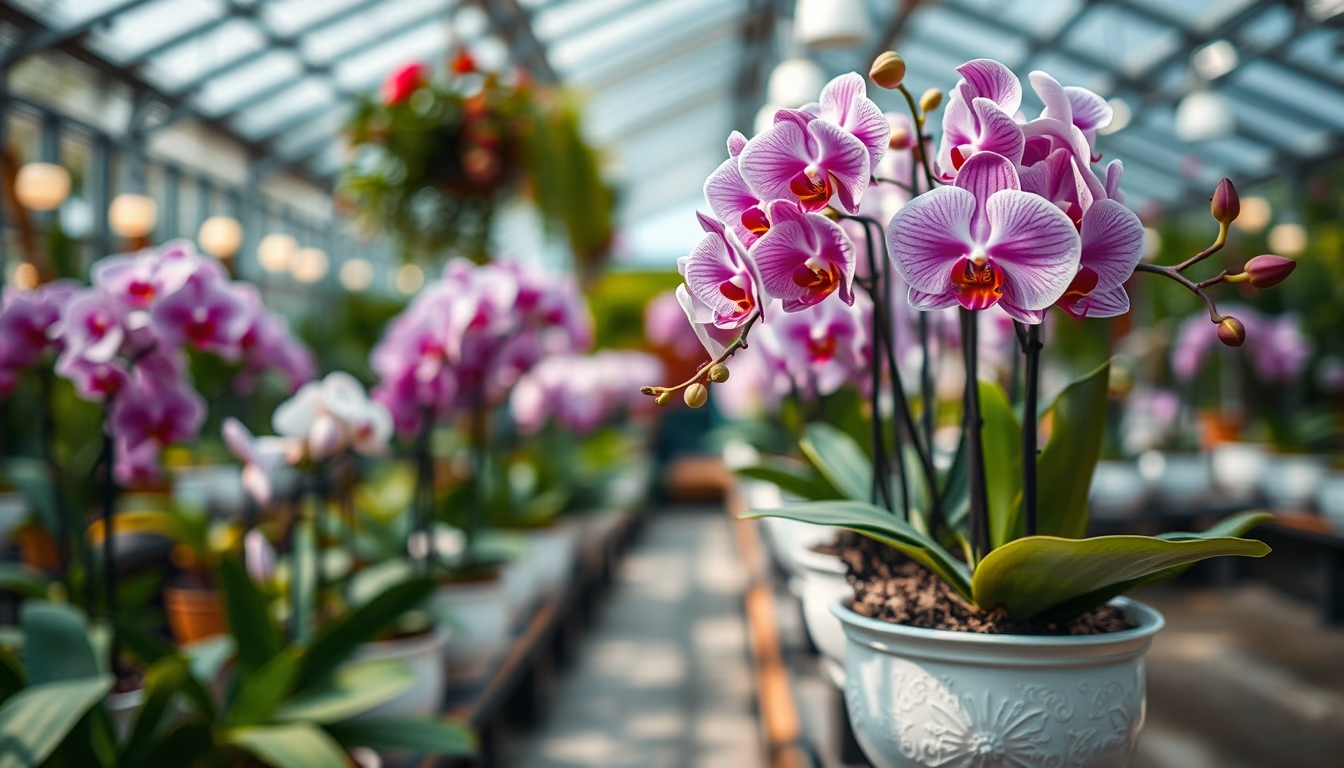
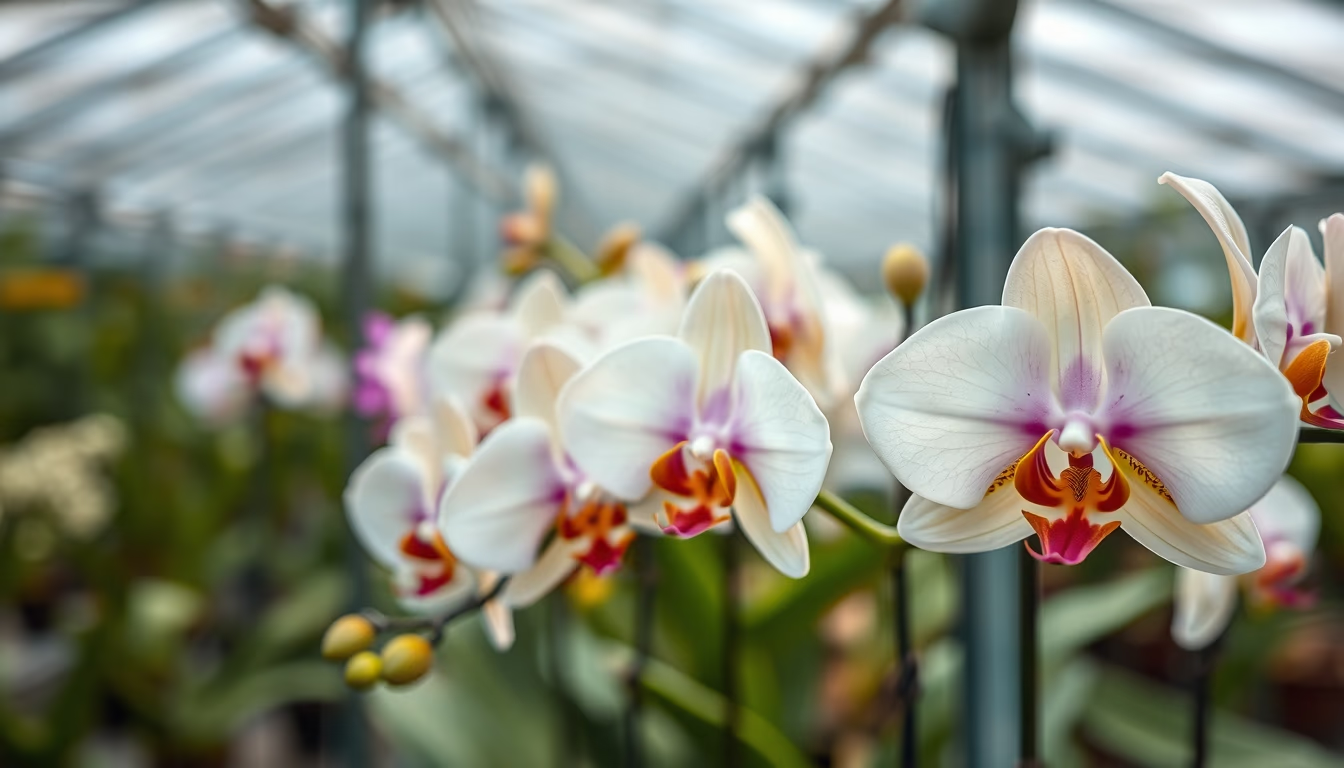
Orchid greenhouses in Asia blend tradition and technology to cultivate exotic species in controlled environments.
About this subject
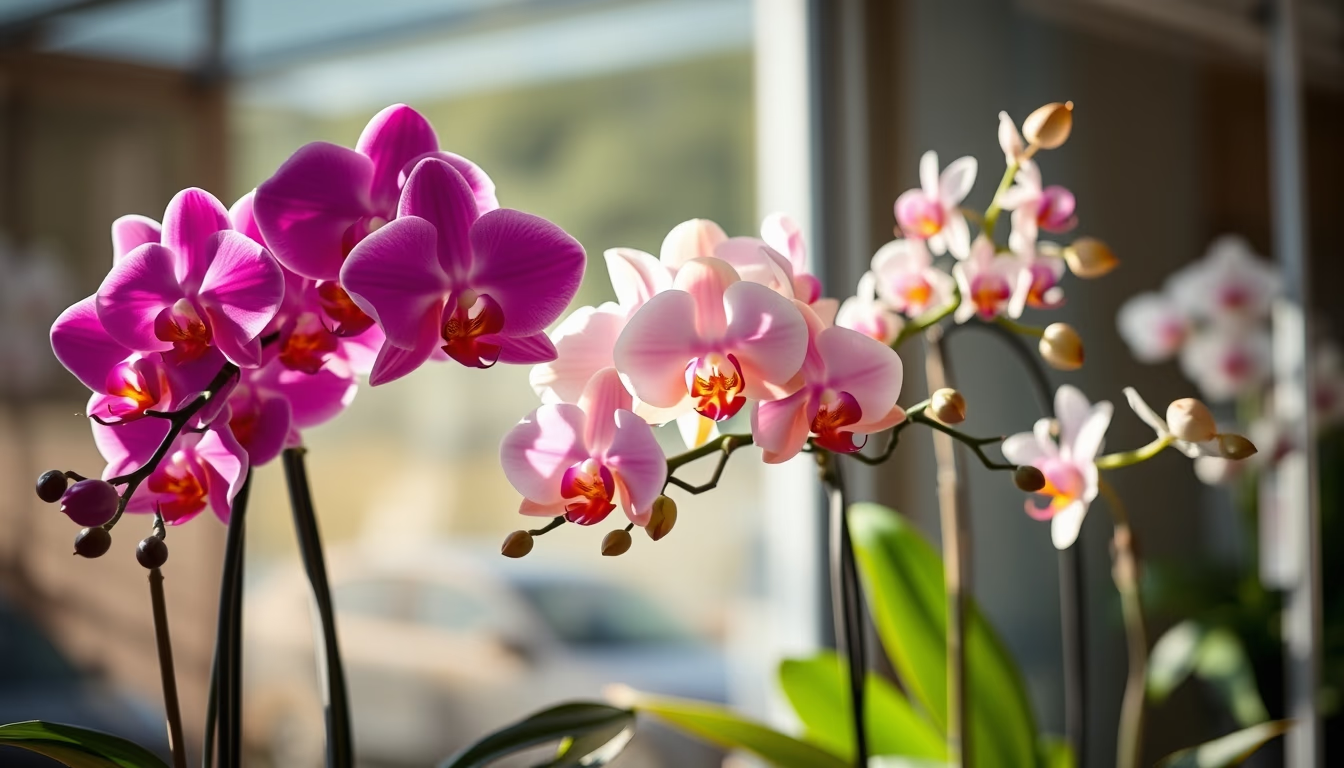
Orchid greenhouses in Asia are true hubs of horticultural innovation, especially in countries like Thailand, Singapore, Japan, and China. These controlled environments allow the cultivation of thousands of species, from native to hybrids created for floriculture. Thailand, for example, is one of the world's largest exporters of cut orchids, with emphasis on dendrobium and phalaenopsis. The tropical and subtropical climate of much of the region facilitates cultivation, but greenhouses ensure protection against pests, regulation of temperature and humidity, and permit off-season blooming.
Historically, orchids hold deep cultural significance in East Asia. In China, they symbolize nobility and refinement, appearing in paintings and poems for centuries. In Japan, orchids are associated with beauty and elegance, cultivated in traditional wooden and glass greenhouses dating back to the Edo period. In Singapore, the Botanic Garden houses one of the world's largest orchid collections, featuring the national hybrid Vanda ‘Miss Joaquim’. Many of these greenhouses are open to the public, functioning as tourist attractions and research centers.
Technically, modern greenhouses use automated irrigation, ventilation, and shading systems, along with special substrates like pine bark and coconut fiber. The use of shade nets and misting systems helps recreate the ideal microclimate for each species. Some Asian greenhouses are designed in pyramid or dome shapes to maximize natural light intake, while others opt for tunnel greenhouses for large-scale commercial cultivation. Greenhouse production also reduces pressure on wild populations, many of which are threatened by predatory collection.
Interestingly, the tilt-shift miniature effect has been used in photographs of greenhouses to highlight the symmetry and organization of pots, creating a model-like impression. This effect, however, does not alter the reality of intensive specialized cultivation that occurs in these places. Asian greenhouses exemplify how the ancient tradition of orchid cultivation adapts to modern market demands, combining art and science.
Frequently Asked Questions
Why are orchid greenhouses so common in Asia?
Due to favorable climate, skilled labor, and cultural tradition. Countries like Thailand and Singapore invest in technology to produce high-quality orchids for export and tourism.
Which orchid species are most cultivated in Asian greenhouses?
The most common are Phalaenopsis, Dendrobium, Cattleya, and Oncidium. Hybrids like Vanda ‘Miss Joaquim’ (symbol of Singapore) are also prominent.
How does environmental control work in an orchid greenhouse?
Ventilation, misting, shading, and automated irrigation systems are used. Sensors monitor temperature (usually 20-30°C), humidity (60-80%), and light levels to mimic the natural habitat.
Direct URL
https://pub-c7d6a6ea828543ac903a74a341ccb2e1.r2.dev/imagens/orchid-greenhouse-asian-tilt-shift-miniature-fresh12.avifHow to credit
Include a visible link back to UtilizAí. Copy one of the snippets below:
<a href="https://xn--utiliza-eza.com/en/midia/imagens/orchid-greenhouse-asian-tilt-shift-miniature-fresh12">Orchid greenhouse asian</a> by <a href="https://xn--utiliza-eza.com">UtilizAí</a>, licensed under <a href="https://creativecommons.org/licenses/by/4.0/">CC BY 4.0</a>.
[Orchid greenhouse asian](https://xn--utiliza-eza.com/en/midia/imagens/orchid-greenhouse-asian-tilt-shift-miniature-fresh12) by [UtilizAí](https://xn--utiliza-eza.com), CC BY 4.0
License: CC-BY-4.0