Orchid greenhouse asian
1344×768 · AVIF · CC BY 4.0
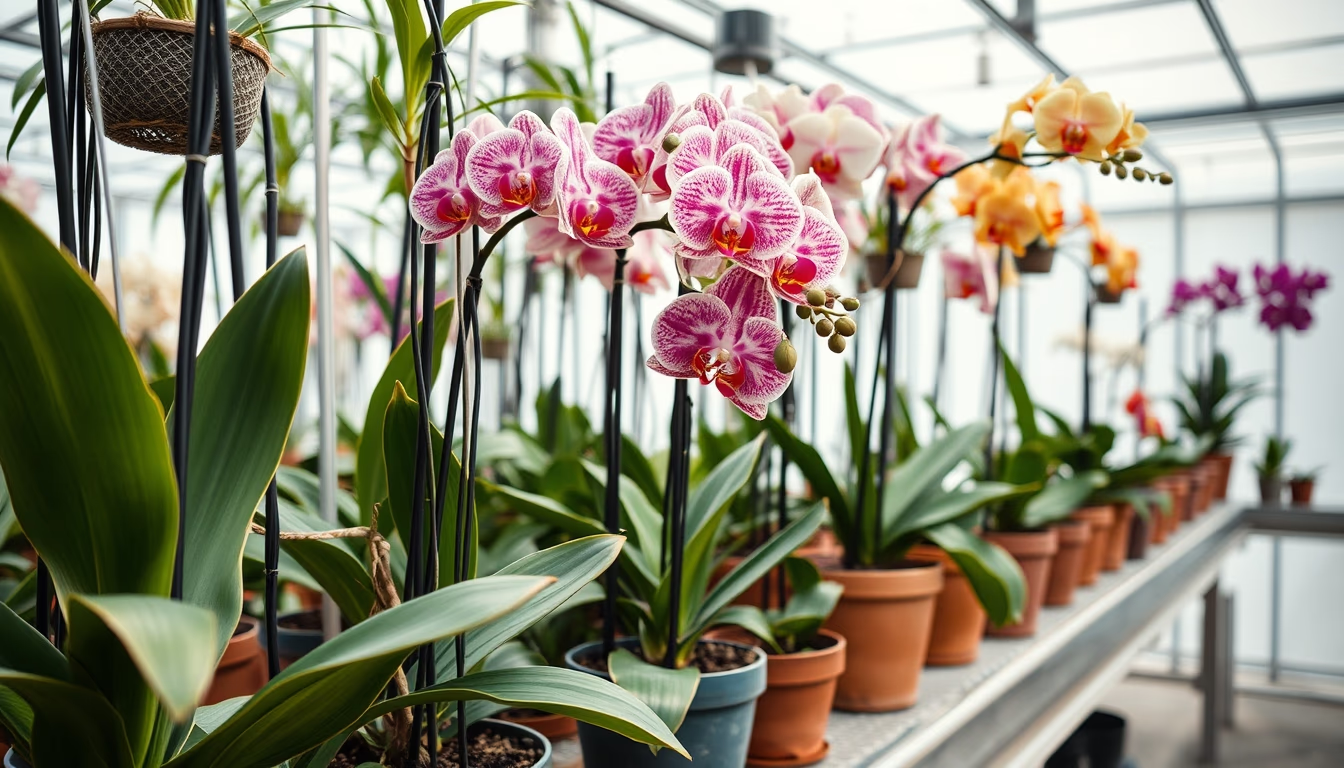
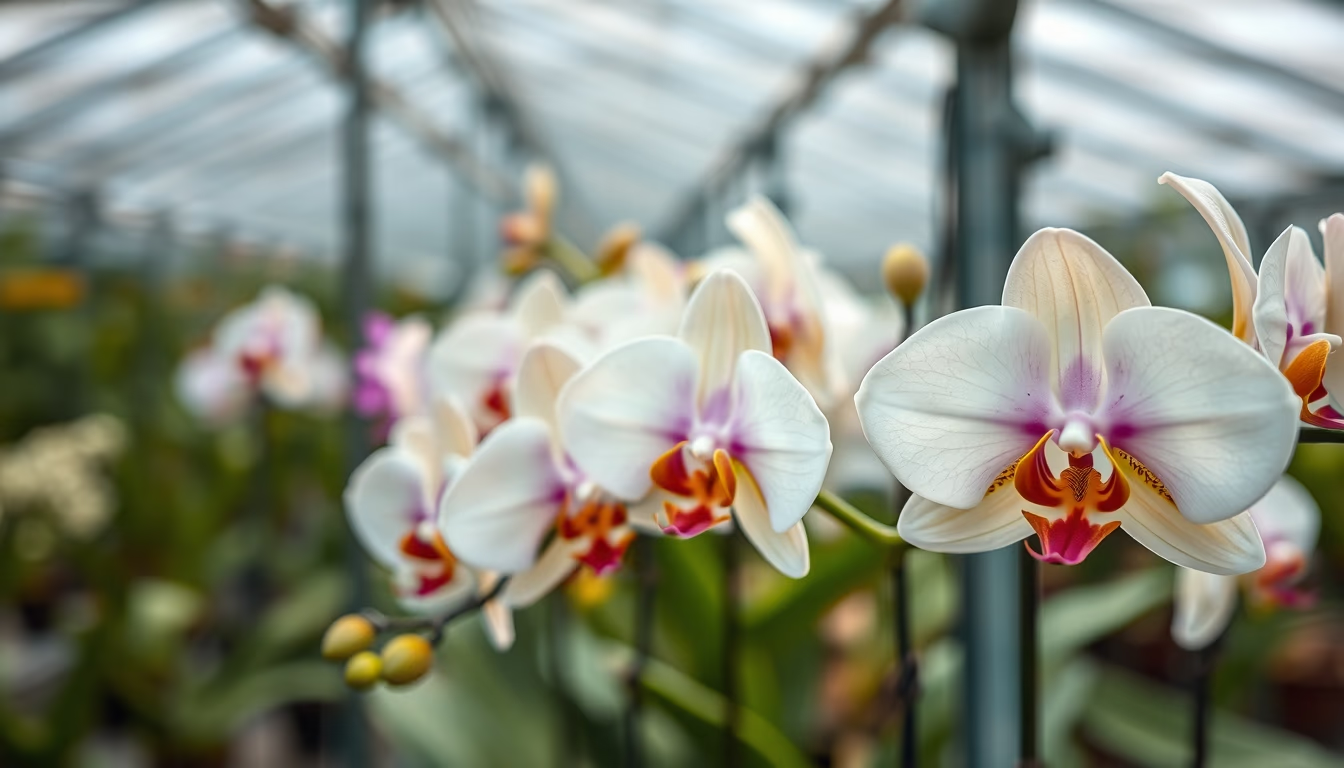
Orchid greenhouses in Asia are commercial production hubs combining traditional techniques and innovation to cultivate thousands of species.
About this subject
Asia is the world's largest hub for commercial orchid production, with countries like Thailand, Singapore, Taiwan, and China leading the global market. Asian greenhouses are designed to replicate ideal tropical conditions: high humidity, controlled temperatures between 20°C and 30°C, and cross-ventilation to prevent fungi. Unlike home cultivation, commercial greenhouses use automated mist irrigation systems, substrates such as pine bark and coconut fiber, and balanced NPK fertilization specific to each phenological stage.
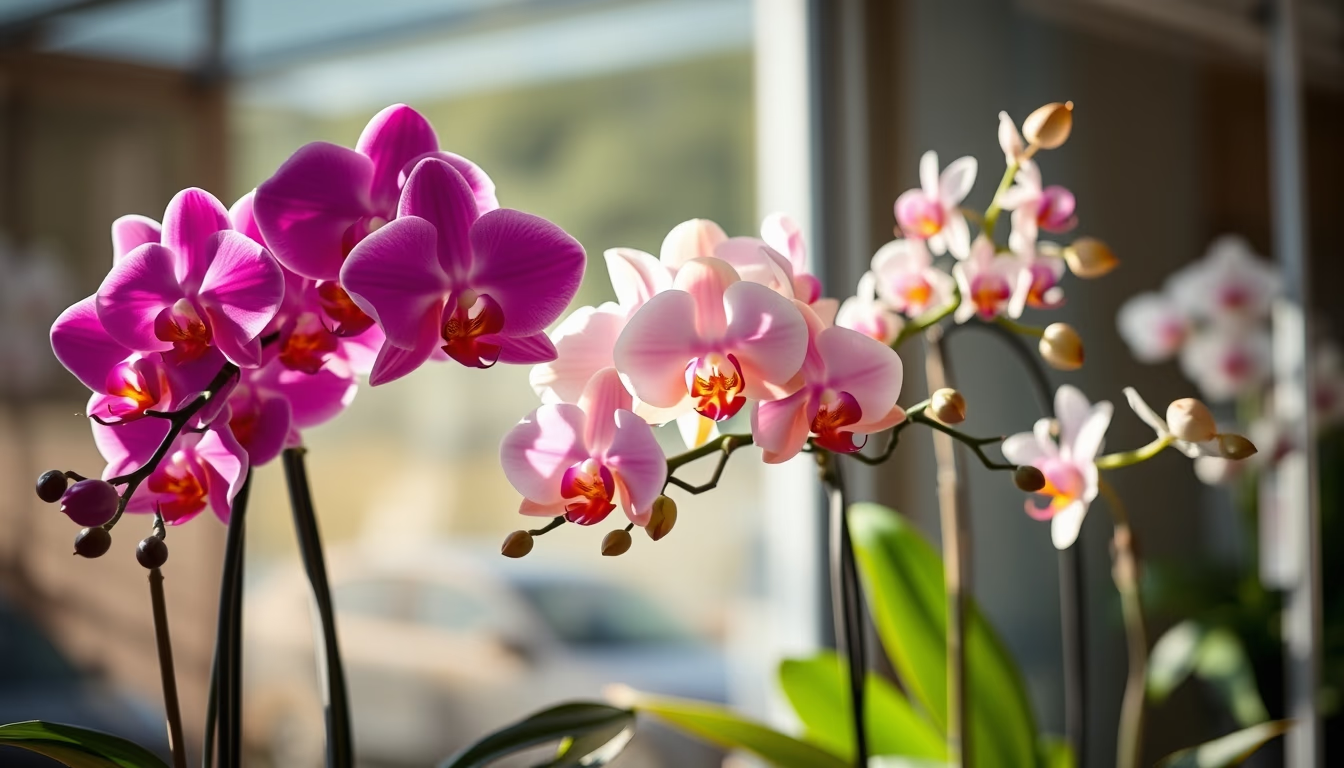
The most commonly grown orchids in Asian greenhouses are genera Dendrobium, Phalaenopsis, Cattleya, and Oncidium. Thailand, for example, exports over 200 million flower stems annually, mainly to Japan, the United States, and Europe. The cut orchid market moves billions of dollars, and greenhouses operate in production cycles that can yield up to three harvests per year from selected hybrids.
A technical highlight is the use of cuttings and in vitro micropropagation to ensure identical and pathogen-free clones. Modern greenhouses employ sensors for humidity, temperature, and light integrated with agricultural management software. Additionally, artificial lighting with specific photosynthetic spectrum LEDs allows cultivation in regions with low sunlight, such as Japanese and Korean megacities.
Culturally, the orchid symbolizes elegance and prosperity in various Asian cultures. In Japan, the orchid (ran) is associated with nobility and is given at formal ceremonies. In China, the Cymbidium orchid represents fertility and is used in New Year decorations. Asian greenhouses not only supply the cut flower market but also provide potted plants for interiors, driving the landscaping and decoration segment.
Frequently Asked Questions
What types of orchids are most commonly grown in Asian greenhouses?
The most common genera are Dendrobium, Phalaenopsis, Cattleya, and Oncidium. Thailand is a leader in Dendrobium production for cut flowers.
How do Asian greenhouses control the environment for orchid cultivation?
They use automated misting systems, temperature and humidity control, cross-ventilation, and supplemental LED lighting to simulate ideal tropical conditions.
What is the cultural significance of orchids in Asia?
In Japan, orchids symbolize nobility and are used in formal ceremonies. In China, they represent prosperity and fertility, especially Cymbidium during New Year.
Direct URL
https://pub-c7d6a6ea828543ac903a74a341ccb2e1.r2.dev/imagens/orchid-greenhouse-asian-commercial-product-photography-fresh2.avifHow to credit
Include a visible link back to UtilizAí. Copy one of the snippets below:
<a href="https://xn--utiliza-eza.com/en/midia/imagens/orchid-greenhouse-asian-commercial-product-photography-fresh2">Orchid greenhouse asian</a> by <a href="https://xn--utiliza-eza.com">UtilizAí</a>, licensed under <a href="https://creativecommons.org/licenses/by/4.0/">CC BY 4.0</a>.
[Orchid greenhouse asian](https://xn--utiliza-eza.com/en/midia/imagens/orchid-greenhouse-asian-commercial-product-photography-fresh2) by [UtilizAí](https://xn--utiliza-eza.com), CC BY 4.0
License: CC-BY-4.0