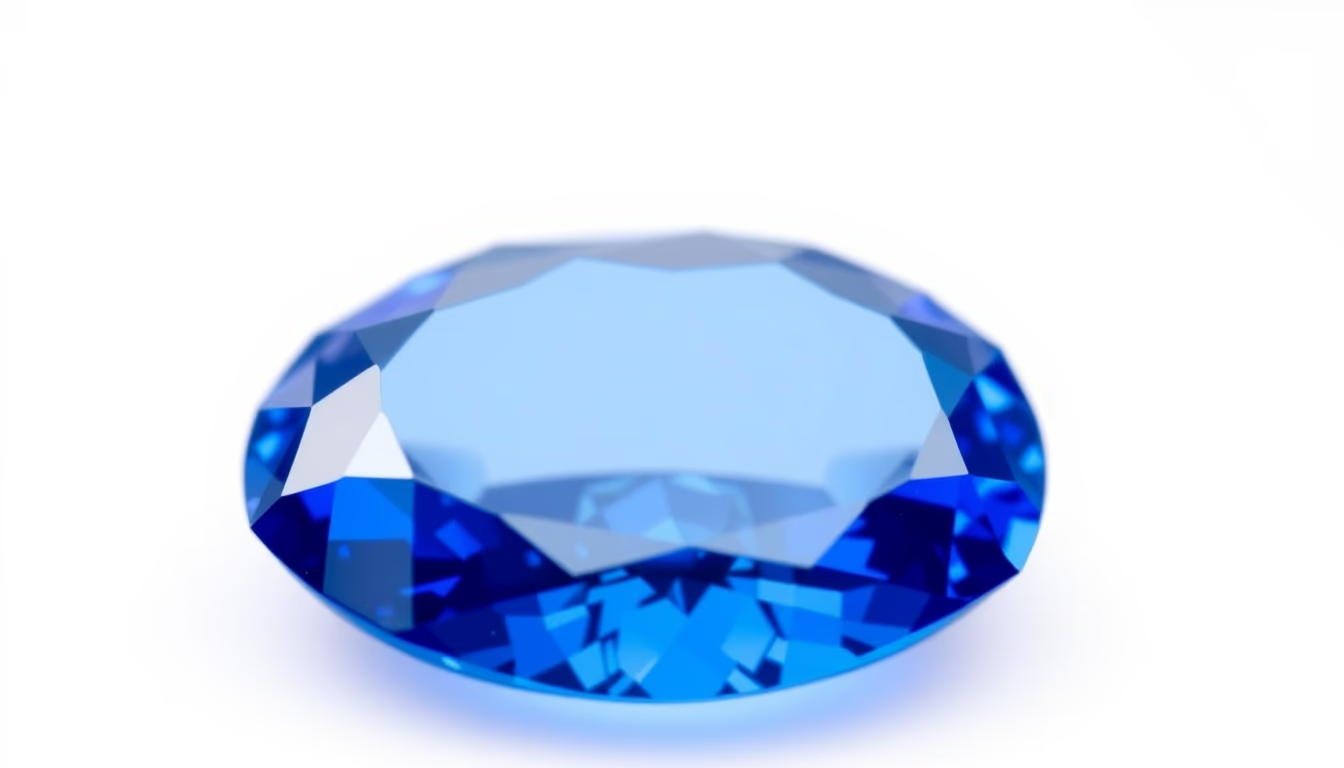
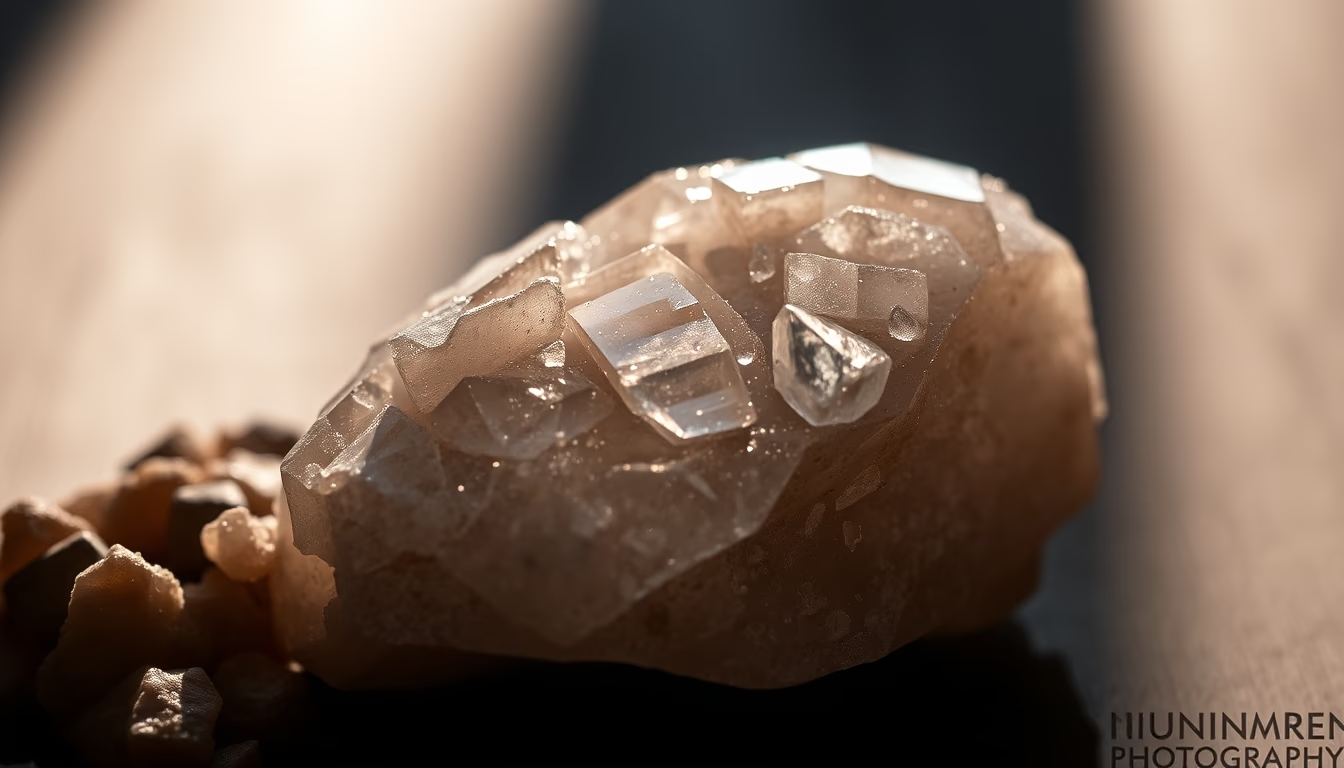
Opal play of color
1344×768 · AVIF · CC BY 4.0

Opals exhibit a unique optical phenomenon called play of color, with flashes of light that shift depending on the viewing angle.
About this subject
The play of color in opals is a spectacular optical effect that occurs when light interacts with microscopic spheres of hydrated silica, arranged in a regular three-dimensional structure. These spheres, with diameters between 150 and 400 nanometers, diffract white light, breaking it into spectral colors. The result is a display of vibrant colors that change with the movement of the gem, like a natural kaleidoscope.
This phenomenon is the main factor determining the value of a precious opal. Australian opals, especially those from Lightning Ridge and Coober Pedy, are world-renowned for their intense and varied play of color. In Brazil, opals from Piauí, such as those from the municipality of Pedro II, also exhibit beautiful color plays, though they tend to be more milky and less vibrant than Australian ones.
The play of color is not permanent. Over time, exposure to abrupt temperature or humidity changes can degrade the internal structure of the opal, reducing or eliminating the phenomenon. Therefore, gems like opal require specific care, such as avoiding chemicals and thermal shocks. Preserving the play of color is one of the biggest challenges for collectors and jewelers.
Interestingly, the term "opal" derives from the Sanskrit "upala", meaning "precious stone", and the Greek "opallios", which denoted a color change. In ancient Rome, opals were considered symbols of purity and hope. Today, opal is the national gemstone of Australia and one of the world's most coveted gems, with rare specimens fetching prices higher than equivalent-sized diamonds.
Frequently Asked Questions
What causes the play of color in opals?
The play of color is caused by the diffraction of white light as it passes through microscopic spheres of hydrated silica, arranged in a regular structure that acts as a diffraction grating.
Where are the best opals with play of color found?
The most famous opals come from Australia, especially Lightning Ridge and Coober Pedy. In Brazil, Piauí also produces opals with play of color, but generally less intense.
Can the play of color disappear over time?
Yes, abrupt changes in temperature or humidity can damage the internal structure of the opal, causing the play of color to degrade or disappear.
Direct URL
https://pub-c7d6a6ea828543ac903a74a341ccb2e1.r2.dev/imagens/opal-play-of-color-magazine-editorial-p7.avifHow to credit
Include a visible link back to UtilizAí. Copy one of the snippets below:
<a href="https://xn--utiliza-eza.com/en/midia/imagens/opal-play-of-color-magazine-editorial-p7">Opal play of color</a> by <a href="https://xn--utiliza-eza.com">UtilizAí</a>, licensed under <a href="https://creativecommons.org/licenses/by/4.0/">CC BY 4.0</a>.
[Opal play of color](https://xn--utiliza-eza.com/en/midia/imagens/opal-play-of-color-magazine-editorial-p7) by [UtilizAí](https://xn--utiliza-eza.com), CC BY 4.0
License: CC-BY-4.0