Olympic flags stadium
1344×768 · AVIF · CC BY 4.0
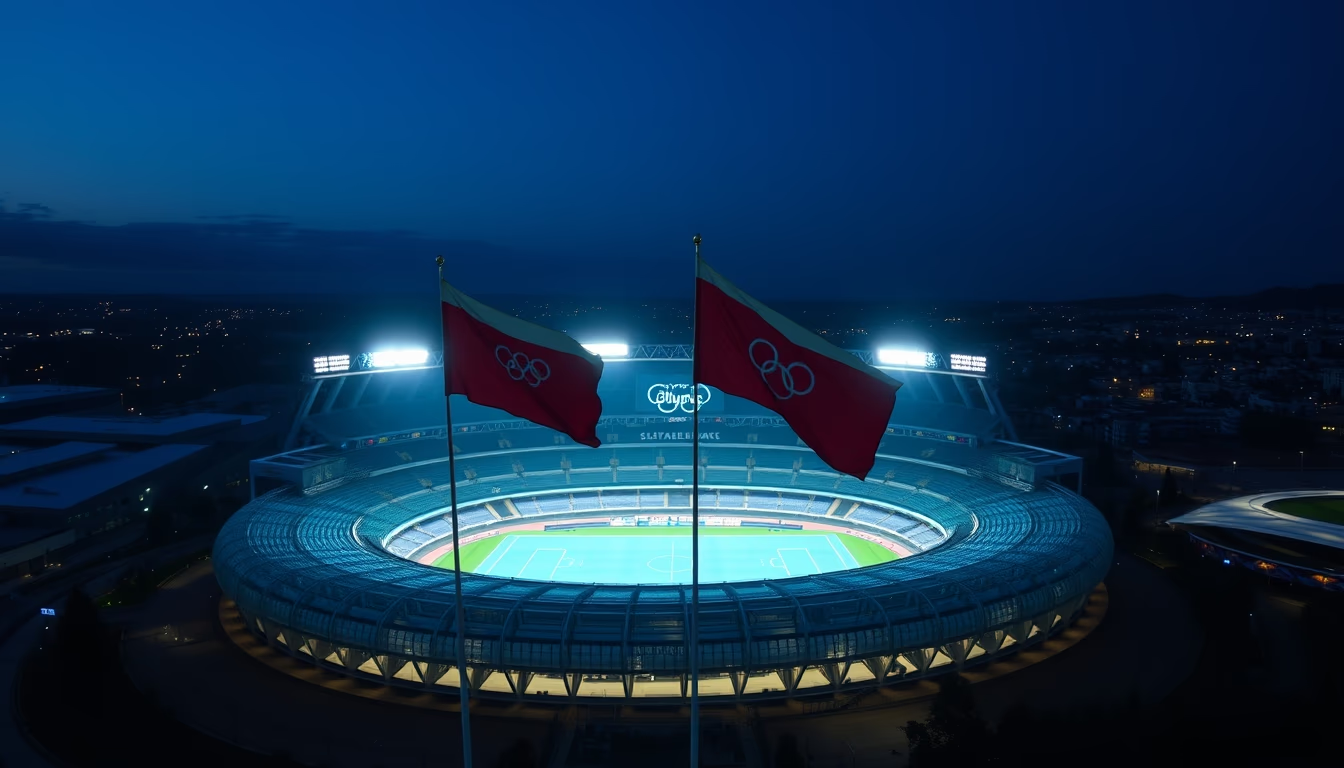
The Olympic flag, with its five interlocking rings, represents the union of continents and is hoisted in stadiums during the Olympic Games.
About this subject
Created by Baron Pierre de Coubertin in 1913 and first presented at the 1920 Antwerp Olympic Games, the Olympic flag is one of the most recognized symbols in world sports. The five colored rings (blue, yellow, black, green, and red) on a white background represent the five inhabited continents: Africa, the Americas, Asia, Europe, and Oceania. Each color was chosen because it appears in all national flags at the time, symbolizing the universality of the Olympic movement.
In stadiums, the Olympic flag is hoisted during the opening ceremony of the Games and remains flying until the closing ceremony, when it is passed to the next host city. The main stadium of each Olympic edition, such as the Tokyo Olympic Stadium or the Beijing National Stadium, displays the flag on a central mast, often visible in aerial drone shots that show the scale of the event and the crowd present.
Traditionally, the Olympic flag is made of silk or synthetic fabric, measuring 3 meters wide by 2 meters high, though larger versions are used in stadiums to ensure visibility. The official version is kept at the Olympic Museum in Lausanne, Switzerland, but replicas are produced for each edition of the Games. Interestingly, the original 1920 flag was stolen in 2000 and never recovered, replaced by a new one in Sydney.
The presence of the Olympic flag in stadiums is not limited to the Games: it is also raised at related events, such as Olympic Day (June 23) and at national competitions organized by Olympic committees. Its image in aerial drone shots symbolizes not only sport but also peace and international cooperation, core values of Olympism.
Frequently Asked Questions
How many rings does the Olympic flag have and what do they represent?
The Olympic flag has five interlocking rings in blue, yellow, black, green, and red on a white background. They represent the five inhabited continents: Africa, the Americas, Asia, Europe, and Oceania.
Where is the original Olympic flag kept?
The original 1920 Olympic flag was stolen in 2000 and never recovered. The current official version is kept at the Olympic Museum in Lausanne, Switzerland.
Why is the Olympic flag hoisted in stadiums during the Games?
It symbolizes the unity of athletes from around the world and the Olympic values of friendship, respect, and excellence. It is raised at the opening ceremony and remains until the closing ceremony.
Direct URL
https://pub-c7d6a6ea828543ac903a74a341ccb2e1.r2.dev/imagens/olympic-flags-stadium-aerial-drone-shot-fresh0.avifHow to credit
Include a visible link back to UtilizAí. Copy one of the snippets below:
<a href="https://xn--utiliza-eza.com/en/midia/imagens/olympic-flags-stadium-aerial-drone-shot-fresh0">Olympic flags stadium</a> by <a href="https://xn--utiliza-eza.com">UtilizAí</a>, licensed under <a href="https://creativecommons.org/licenses/by/4.0/">CC BY 4.0</a>.
[Olympic flags stadium](https://xn--utiliza-eza.com/en/midia/imagens/olympic-flags-stadium-aerial-drone-shot-fresh0) by [UtilizAí](https://xn--utiliza-eza.com), CC BY 4.0
License: CC-BY-4.0