Olives in clay jar
1344×768 · AVIF · CC BY 4.0
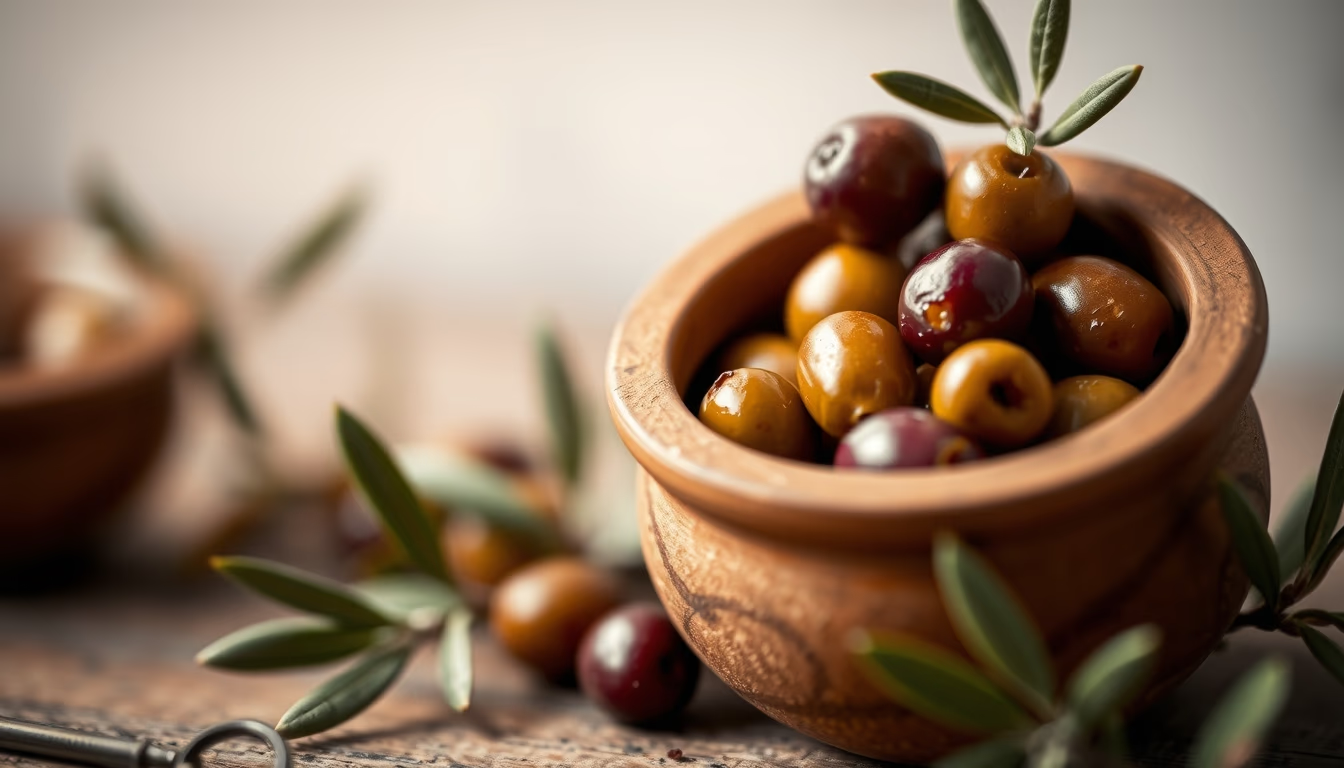
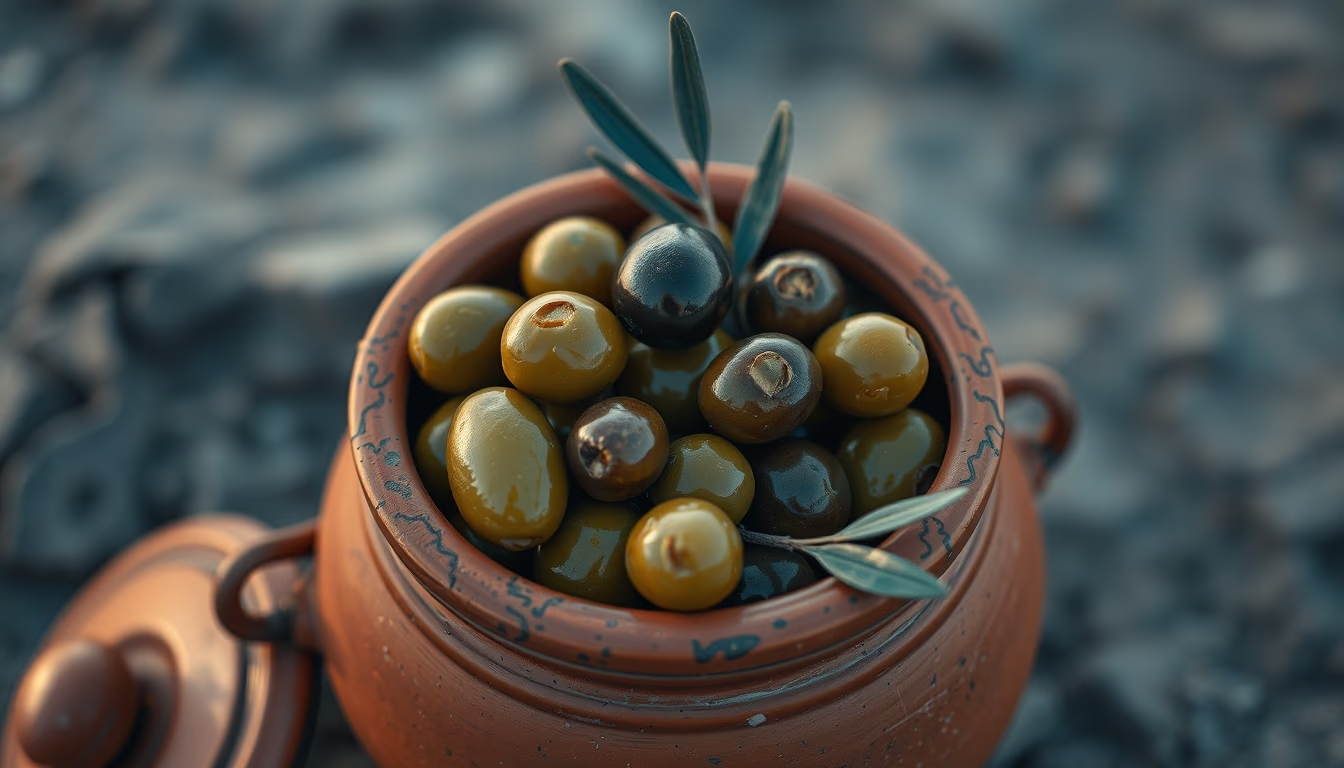
Olives preserved in clay jars are an ancient Mediterranean tradition, combining flavor with age-old techniques.
About this subject
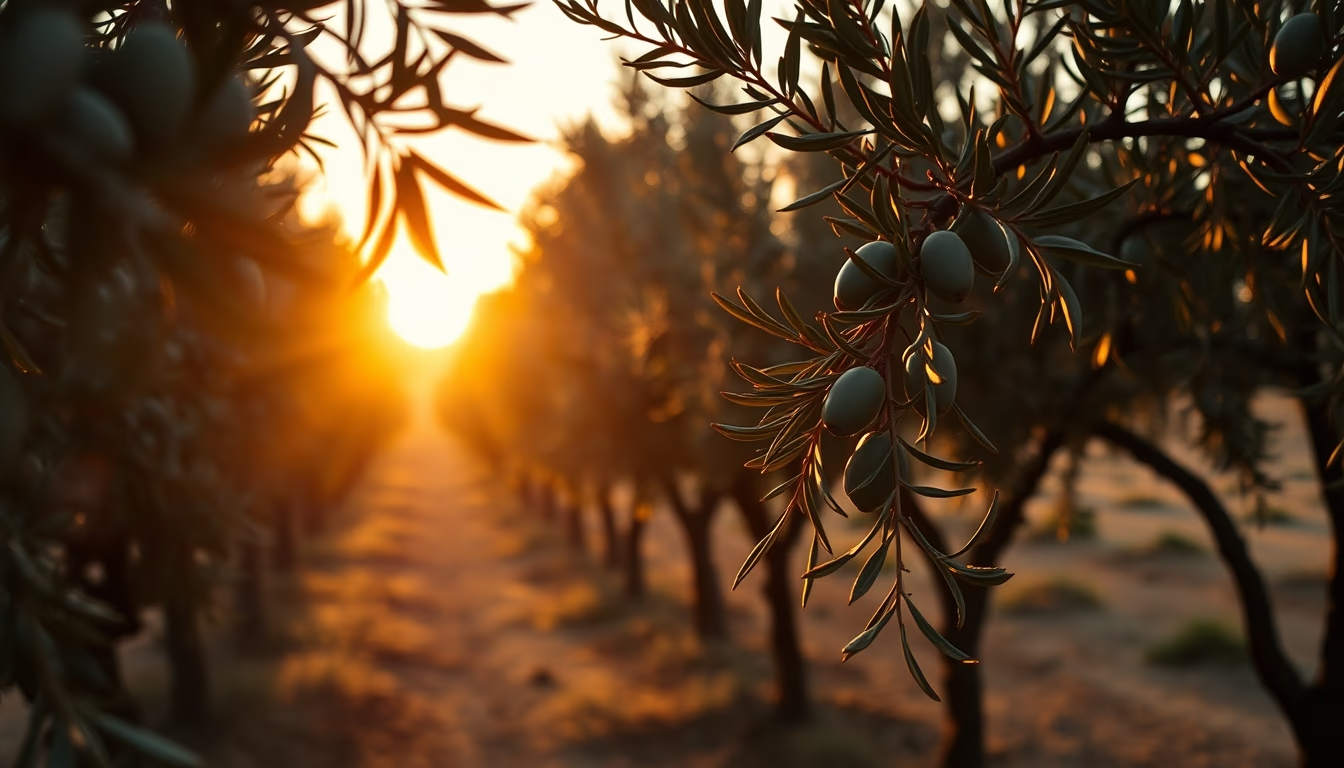
Olives are the fruit of the olive tree, cultivated for over 6,000 years in the Mediterranean region. They are widely consumed fresh, preserved, or pressed for oil. Preserving olives in clay jars is an ancient technique dating back to antiquity, when pottery was the primary storage material. The porous clay allows air and moisture exchange, creating an ideal environment for slow fermentation, which enhances flavor and texture.
In Mediterranean cuisine, preserved olives are essential in salads, cheese and meat platters, and as appetizers. The curing process in brine or oil inside clay jars can last weeks or months, depending on the variety. Different regions boast unique recipes, such as Greek Kalamata olives or Spanish Manzanilla olives, each with distinct taste and color characteristics.
Besides culinary value, clay jar preservation offers practical benefits. The material maintains stable temperature, protecting olives from thermal fluctuations. It is also environmentally sustainable, as clay is a natural and renewable resource. Today, many artisanal producers and chefs prefer clay jars for their sensory and aesthetic qualities, despite modern packaging alternatives.
Interestingly, the technique of preserving olives in clay amphorae was perfected by Phoenicians and Romans, who spread it throughout the Empire. Archaeological excavations have found amphorae containing olive residues, proving the longevity of this method. Currently, global olive production exceeds 20 million tons annually, led by Spain, Italy, and Greece.
Frequently Asked Questions
Why use clay jars for preserving olives?
Clay jars allow air and moisture exchange, creating an ideal environment for slow fermentation. They also maintain stable temperature and are environmentally sustainable.
How long does it take to cure olives in a clay jar?
The process can take from a few weeks to months, depending on the olive variety and the recipe used (brine, oil, or natural fermentation).
Which countries are the largest olive producers?
Spain, Italy, and Greece lead global olive production, accounting for a large share of the world's supply.
Direct URL
https://pub-c7d6a6ea828543ac903a74a341ccb2e1.r2.dev/imagens/olives-in-clay-jar-tilt-shift-miniature-p8.avifHow to credit
Include a visible link back to UtilizAí. Copy one of the snippets below:
<a href="https://xn--utiliza-eza.com/en/midia/imagens/olives-in-clay-jar-tilt-shift-miniature-p8">Olives in clay jar</a> by <a href="https://xn--utiliza-eza.com">UtilizAí</a>, licensed under <a href="https://creativecommons.org/licenses/by/4.0/">CC BY 4.0</a>.
[Olives in clay jar](https://xn--utiliza-eza.com/en/midia/imagens/olives-in-clay-jar-tilt-shift-miniature-p8) by [UtilizAí](https://xn--utiliza-eza.com), CC BY 4.0
License: CC-BY-4.0