Olives in clay jar
1344×768 · AVIF · CC BY 4.0
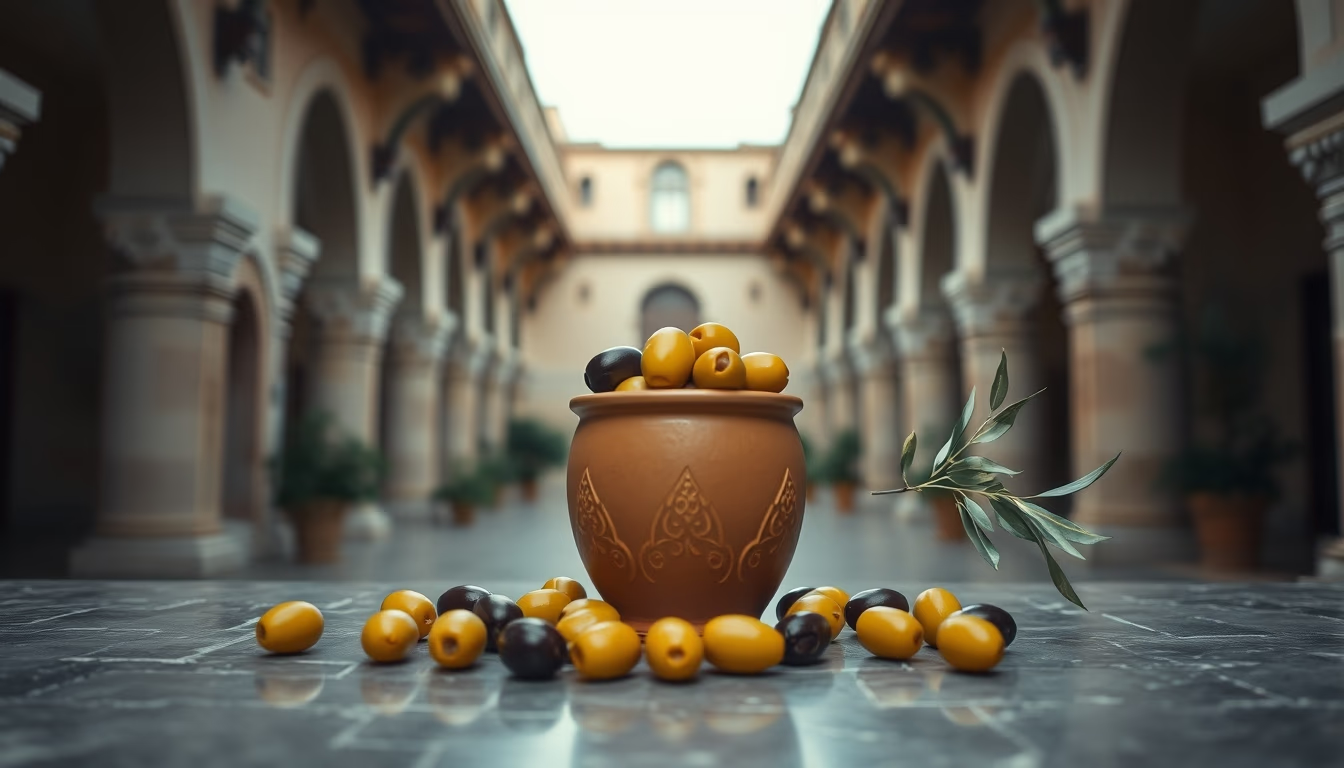
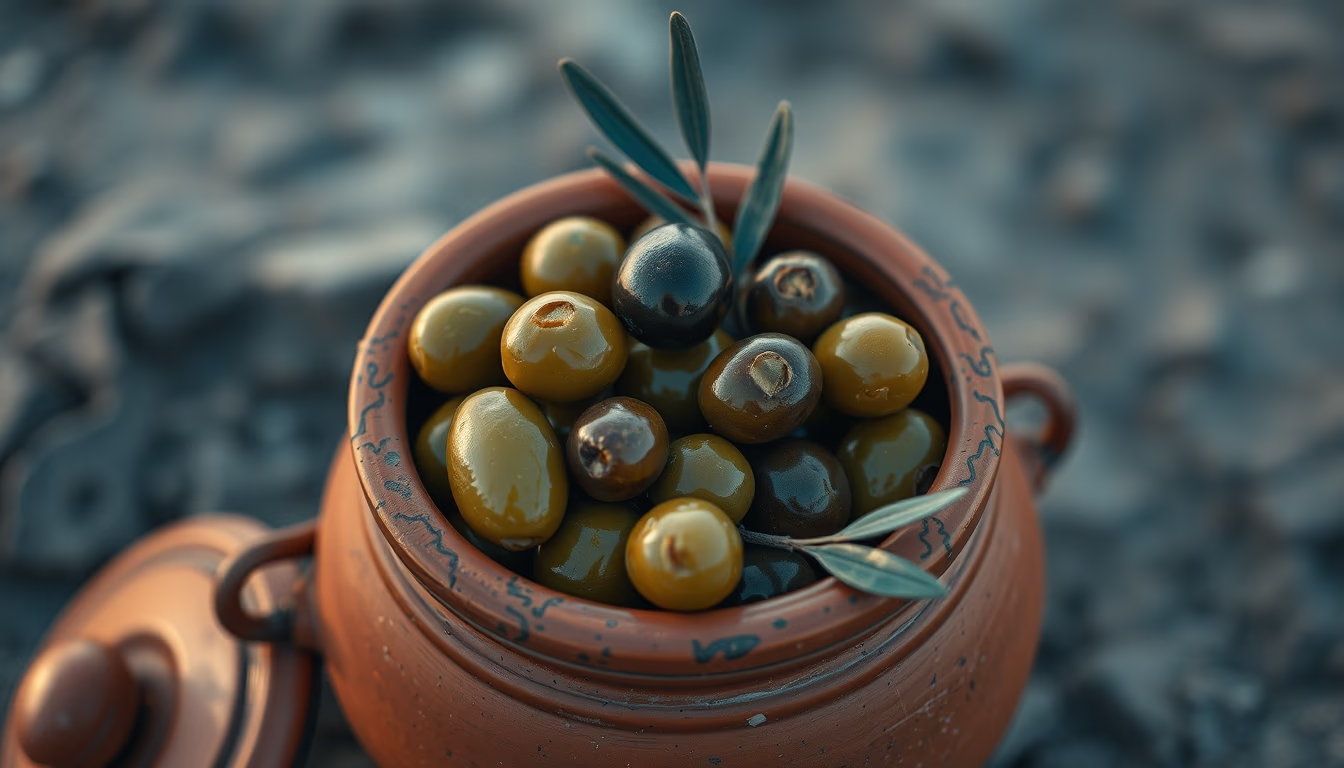
Olives cured in clay jars: a traditional method preserving flavor and texture, used for millennia in the Mediterranean and adapted in Brazil.
About this subject
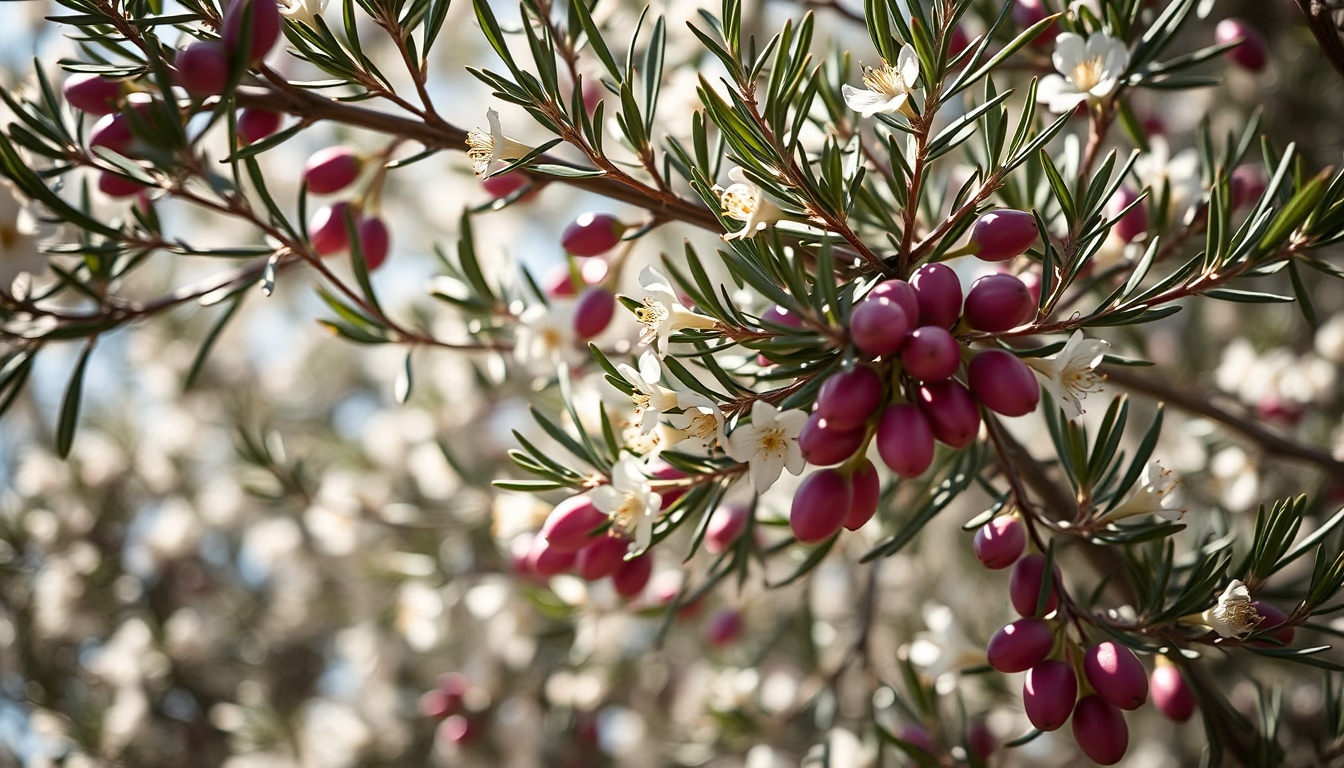
Olives are the fruit of the olive tree (Olea europaea), a symbol of Mediterranean culture. To be edible, they must undergo a curing process to remove oleuropein, a bitter compound. One of the oldest methods uses clay pots, which maintain a stable temperature and allow controlled gas exchange. This container, known as an amphora in ancient Greece or talha in southern Europe, is still used in parts of Italy, Spain, and Portugal for natural fermentation.
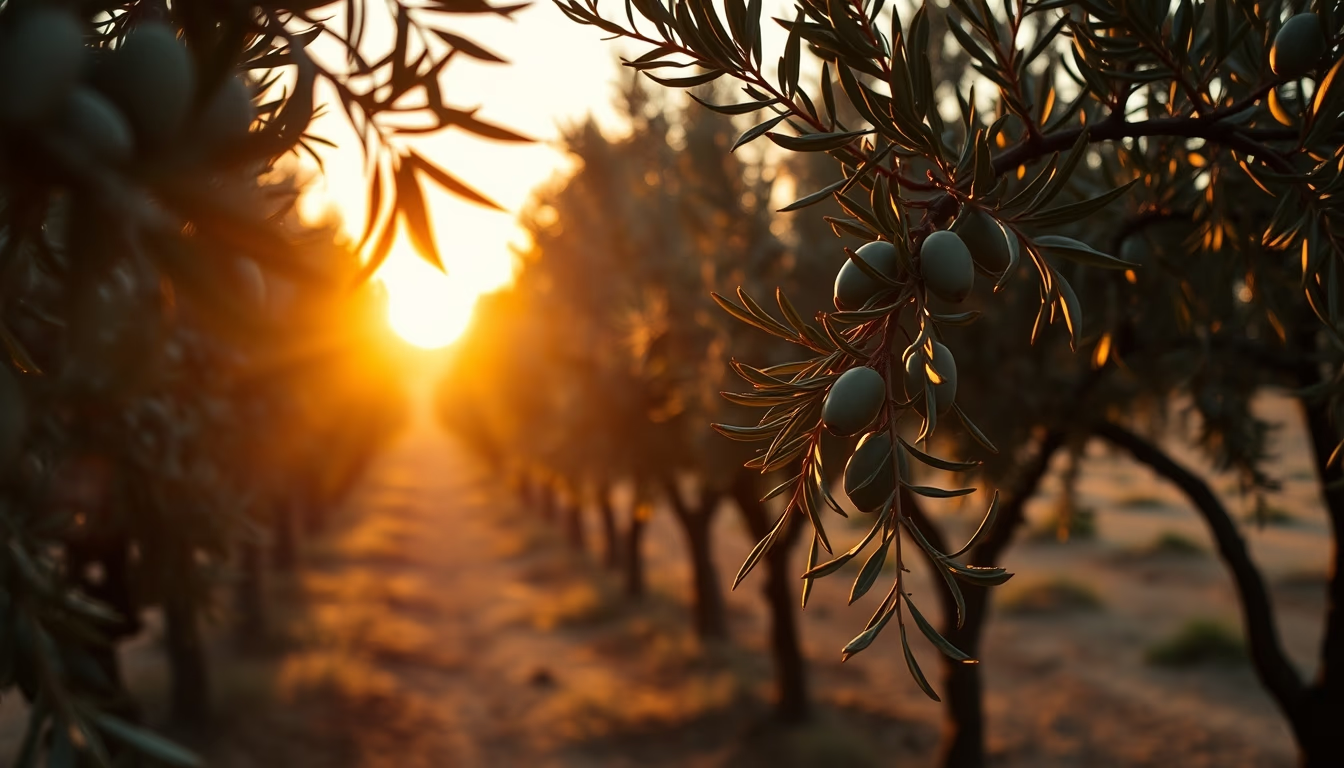
In Brazil, Italian and Portuguese immigration brought the tradition of preserving olives in clay jars, especially in the South and Southeast. The process involves washing fresh olives, making cuts to release bitterness, and submerging them in brine or salted water inside the jar. The porous clay encourages beneficial bacteria, resulting in a complex flavor. Unlike industrial methods, clay curing can take months but yields crisper, more aromatic olives.
Historically, clay amphorae were used not only for olives but also for wine and olive oil, found in archaeological sites dating back to 3000 BC. Today, chefs value this artisanal method for rescuing sensory profiles lost in mass production. Besides taste, clay-cured olives are rich in probiotics and antioxidants, supporting gut and cardiovascular health.
Interesting fact: in some Brazilian regions, like the Serra Gaúcha, local producers use typical clay pots (moringas) to cure olives from home orchards, maintaining a tradition passed down through generations.
Frequently Asked Questions
Why use clay pots for curing olives?
Clay pots maintain a stable temperature and are porous, allowing ideal gas exchange during fermentation. This promotes beneficial microorganisms, resulting in firm-textured olives with a more complex flavor.
How long does it take to cure olives in a clay jar?
The process can take 3 to 6 months, depending on olive size and salt concentration. Homemade methods may require periodic brine changes to prevent mold.
What is the difference between clay-cured and industrial olives?
Clay-cured olives undergo natural fermentation without chemical additives, preserving probiotics and antioxidants. Industrial methods use lye to speed up the process, which can alter flavor and reduce nutrients.
Direct URL
https://pub-c7d6a6ea828543ac903a74a341ccb2e1.r2.dev/imagens/olives-in-clay-jar-architectural-photography-p1.avifHow to credit
Include a visible link back to UtilizAí. Copy one of the snippets below:
<a href="https://xn--utiliza-eza.com/en/midia/imagens/olives-in-clay-jar-architectural-photography-p1">Olives in clay jar</a> by <a href="https://xn--utiliza-eza.com">UtilizAí</a>, licensed under <a href="https://creativecommons.org/licenses/by/4.0/">CC BY 4.0</a>.
[Olives in clay jar](https://xn--utiliza-eza.com/en/midia/imagens/olives-in-clay-jar-architectural-photography-p1) by [UtilizAí](https://xn--utiliza-eza.com), CC BY 4.0
License: CC-BY-4.0