Olives in clay jar
1344×768 · AVIF · CC BY 4.0
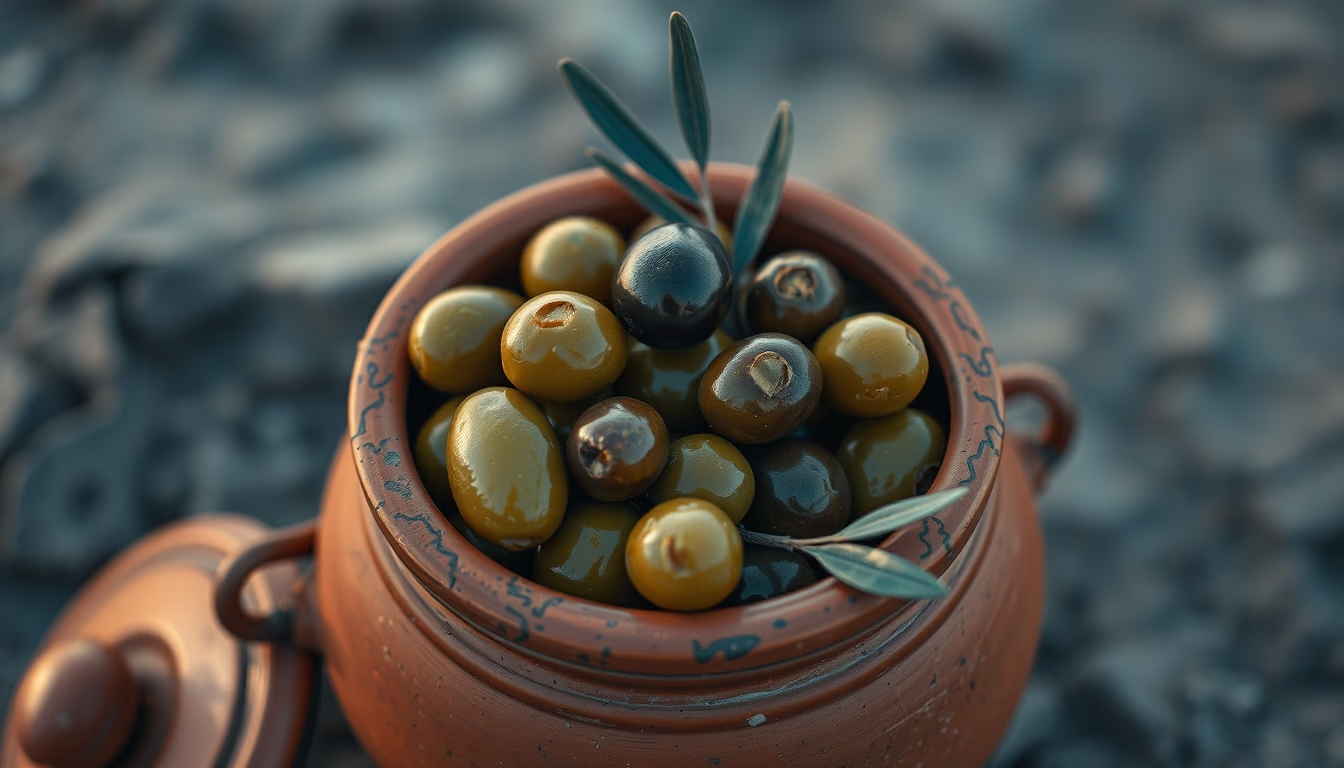
Olives preserved in clay jars: an ancient Mediterranean tradition that enhances flavor and texture, keeping olive culture alive.
About this subject
The preservation of olives in clay jars is a practice dating back over 5,000 years, originating in the Fertile Crescent and spread by civilizations such as the Phoenicians, Greeks, and Romans. Clay jars, often called amphorae, have porous walls that allow controlled micro-oxygenation, essential for the natural fermentation of olives. This process reduces the characteristic bitterness of oleuropein and develops complex flavors with fruity and slightly earthy notes.
Different curing methods are employed: green olives may be treated with lye and then washed, while ripe olives undergo brine or sun drying. In clay jars, the brine is often flavored with herbs like rosemary, thyme, and garlic, typical of the Mediterranean diet. The mild temperature and stable humidity of the clay favor beneficial bacteria, resulting in a probiotic product.
Culturally, clay jars symbolize hospitality and family tradition in countries like Greece, Italy, Spain, and Morocco. In Greece, Kalamata olives are famously cured in clay amphorae with red wine vinegar. In Italy, taggiasche olives are preserved in terracotta jars with extra virgin olive oil. This artisanal technique is experiencing a revival, with small producers valuing the terroir and sustainability of local clay.
The use of clay jars also impacts texture: olives maintain superior firmness compared to canned ones, as they undergo less aggressive pasteurization. Studies indicate that antioxidant polyphenols, such as hydroxytyrosol, are better preserved in this method. For the consumer, this means a tastier and more nutritious product, aligned with the trend of naturally fermented foods.
Frequently Asked Questions
Why are olives preserved in clay jars?
Clay jars allow micro-oxygenation and natural fermentation, enhancing flavor and texture. They also better preserve nutrients and polyphenols, resulting in a healthier and tastier product.
What is the origin of the tradition of storing olives in clay?
The practice originated in the Fertile Crescent over 5,000 years ago, adopted by Phoenicians, Greeks, and Romans. Clay amphorae were used for transport and preservation of foods, including olives.
Are olives in clay jars different from canned ones?
Yes. Clay jar olives undergo natural curing, maintaining firmness and complex flavors, while canned olives are pasteurized, altering texture and reducing beneficial compounds. The clay also imparts a characteristic earthy aroma.
Direct URL
https://pub-c7d6a6ea828543ac903a74a341ccb2e1.r2.dev/imagens/olives-in-clay-jar-aerial-drone-shot-p12.avifHow to credit
Include a visible link back to UtilizAí. Copy one of the snippets below:
<a href="https://xn--utiliza-eza.com/en/midia/imagens/olives-in-clay-jar-aerial-drone-shot-p12">Olives in clay jar</a> by <a href="https://xn--utiliza-eza.com">UtilizAí</a>, licensed under <a href="https://creativecommons.org/licenses/by/4.0/">CC BY 4.0</a>.
[Olives in clay jar](https://xn--utiliza-eza.com/en/midia/imagens/olives-in-clay-jar-aerial-drone-shot-p12) by [UtilizAí](https://xn--utiliza-eza.com), CC BY 4.0
License: CC-BY-4.0