Olive tree blossoms spring
1344×768 · AVIF · CC BY 4.0
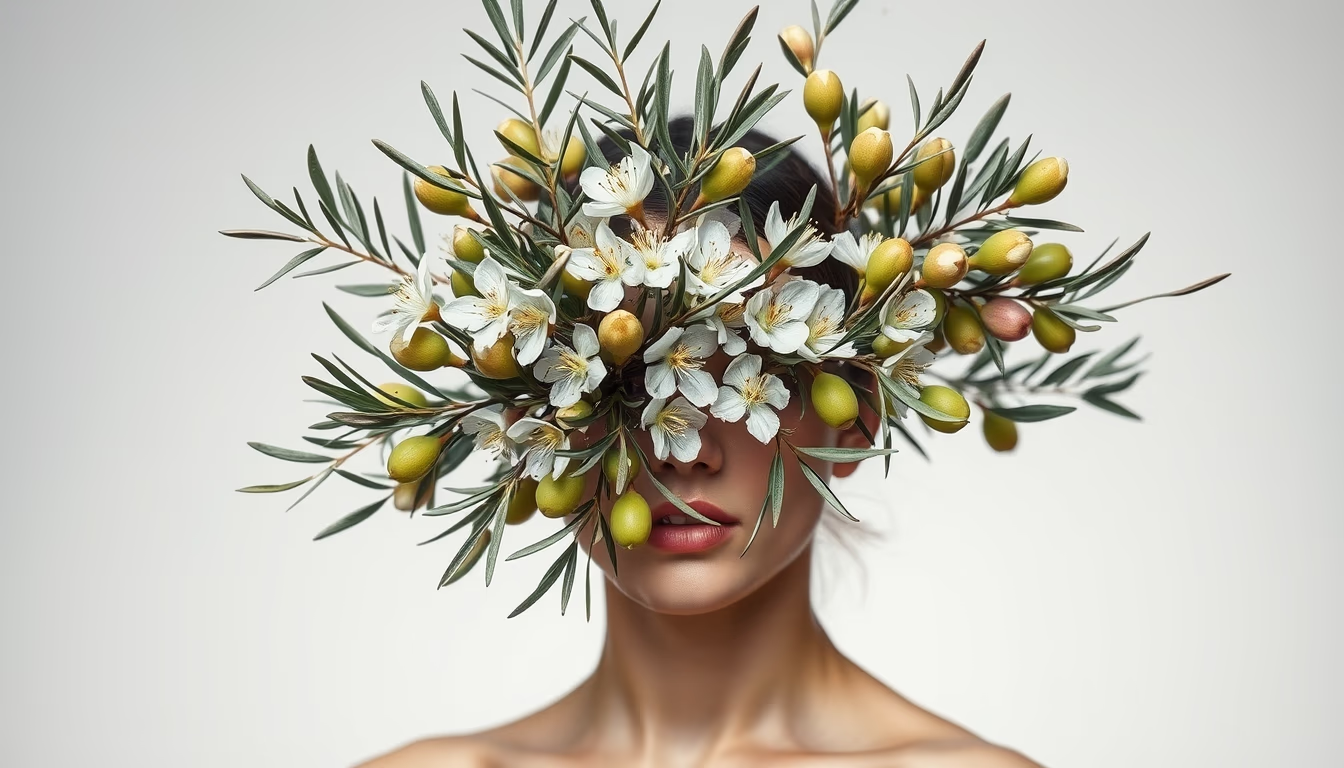
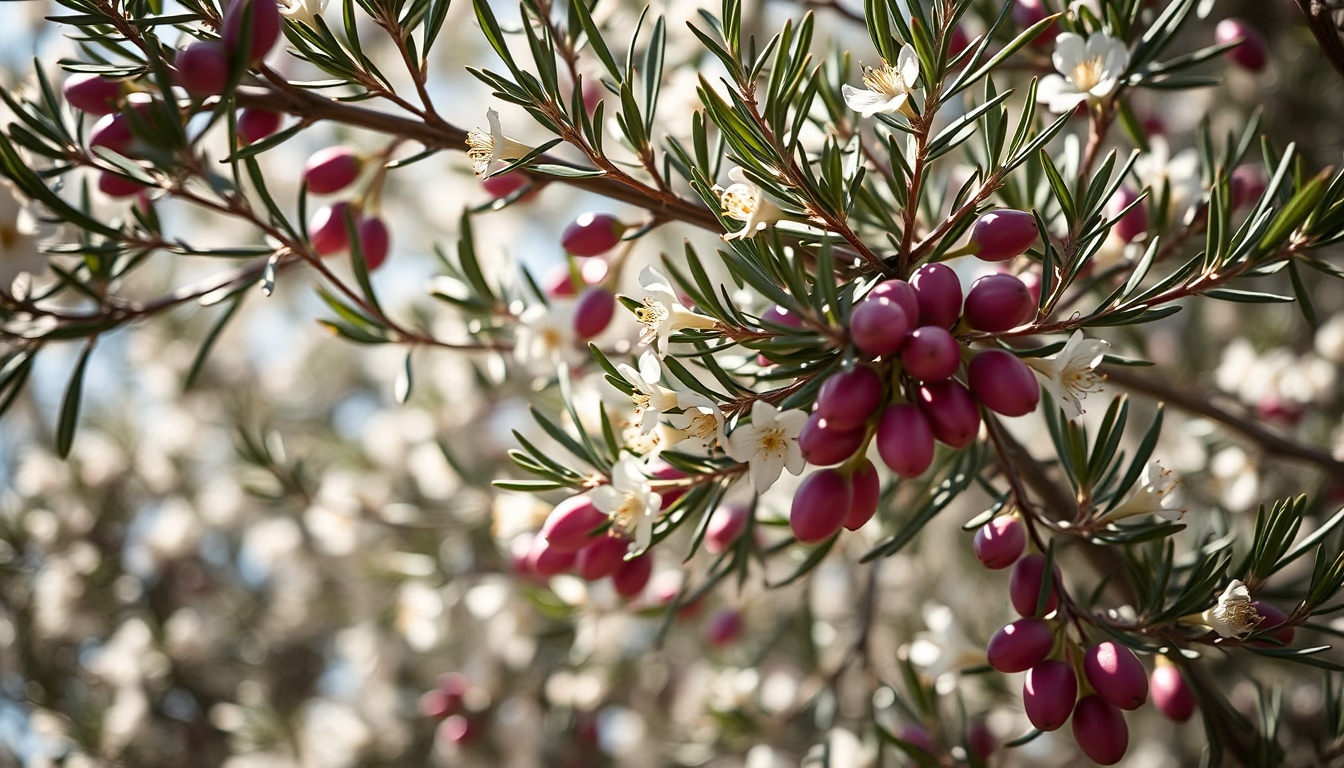
The spring blossom of olive trees signals the start of the olive production cycle, with flowers that develop into olives for oil and table use.
About this subject
The olive tree (Olea europaea) is an ancient tree cultivated in Mediterranean climates. Its blossoming occurs between April and June in the Northern Hemisphere, depending on variety and weather. The flowers are small, white or yellowish, arranged in panicles. Each flower can become an olive, but only a small percentage set fruit. Pollination is primarily wind-driven, though insects may also help.
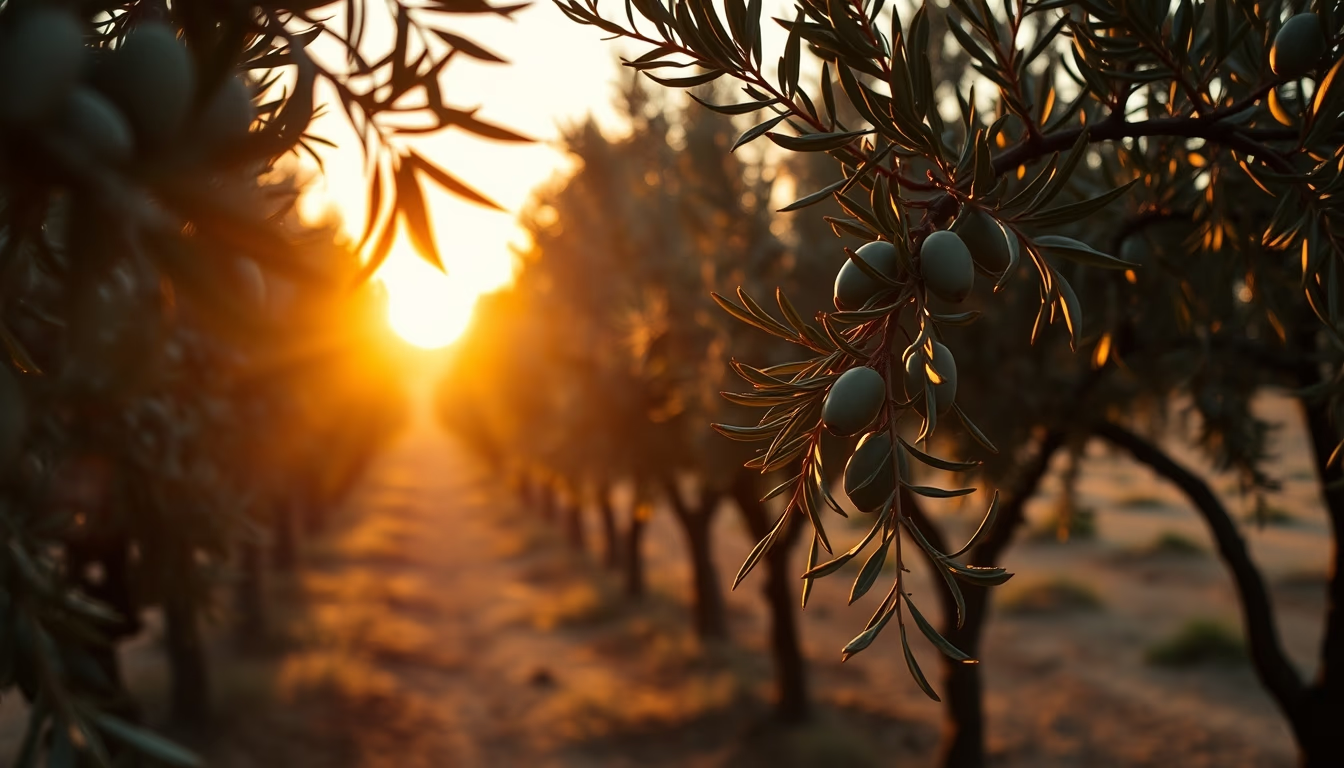
Olive trees hold deep cultural significance. In Greek mythology, Athena gifted Athens an olive tree. Olive branches symbolize peace and victory since antiquity, used in the Olympic Games. Agriculturally, olive farming is an economic staple in Spain, Italy, Greece, Portugal, and increasingly in Brazil (Rio Grande do Sul, Minas Gerais, and Serra da Mantiqueira). Brazil is the largest olive oil producer in the Southern Hemisphere, with record harvests in recent years.
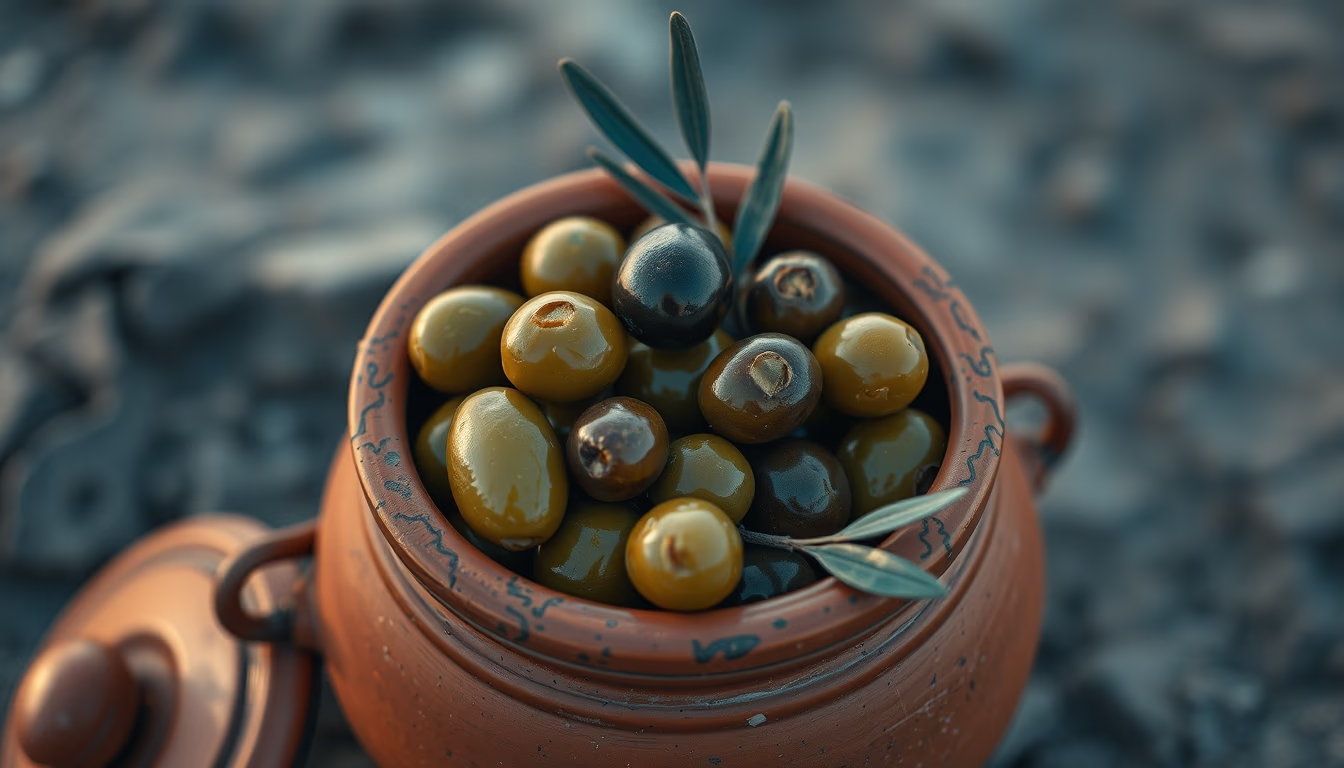
Fun facts: an olive tree may take 4 to 8 years for its first significant harvest. Century-old trees still bear fruit. Blooming is weather-sensitive: late frosts can destroy flowers and compromise the crop. Besides oil, green and black olives are consumed as table olives. In the Serra da Mantiqueira, olive harvesting for oil occurs between February and April.
Frequently Asked Questions
When does olive tree blossom in Brazil?
In Brazil, olive tree blossom occurs between September and November, during spring in the Southern Hemisphere. Key producing regions are Serra da Mantiqueira (MG, SP, RJ) and Rio Grande do Sul.
How many flowers are needed to produce one kilogram of olive oil?
It takes about 500 kg of olives to produce 1 liter of oil. Each olive comes from a flower, so a single tree may have thousands of flowers, but only a fraction set fruit.
Does olive tree require cross-pollination?
Most olive varieties are self-fertile, but cross-pollination can boost yield. Wind is the primary pollinator.
Direct URL
https://pub-c7d6a6ea828543ac903a74a341ccb2e1.r2.dev/imagens/olive-tree-blossoms-spring-studio-editorial-portrait-p8.avifHow to credit
Include a visible link back to UtilizAí. Copy one of the snippets below:
<a href="https://xn--utiliza-eza.com/en/midia/imagens/olive-tree-blossoms-spring-studio-editorial-portrait-p8">Olive tree blossoms spring</a> by <a href="https://xn--utiliza-eza.com">UtilizAí</a>, licensed under <a href="https://creativecommons.org/licenses/by/4.0/">CC BY 4.0</a>.
[Olive tree blossoms spring](https://xn--utiliza-eza.com/en/midia/imagens/olive-tree-blossoms-spring-studio-editorial-portrait-p8) by [UtilizAí](https://xn--utiliza-eza.com), CC BY 4.0
License: CC-BY-4.0