Olive oil tasting glasses
1344×768 · AVIF · CC BY 4.0

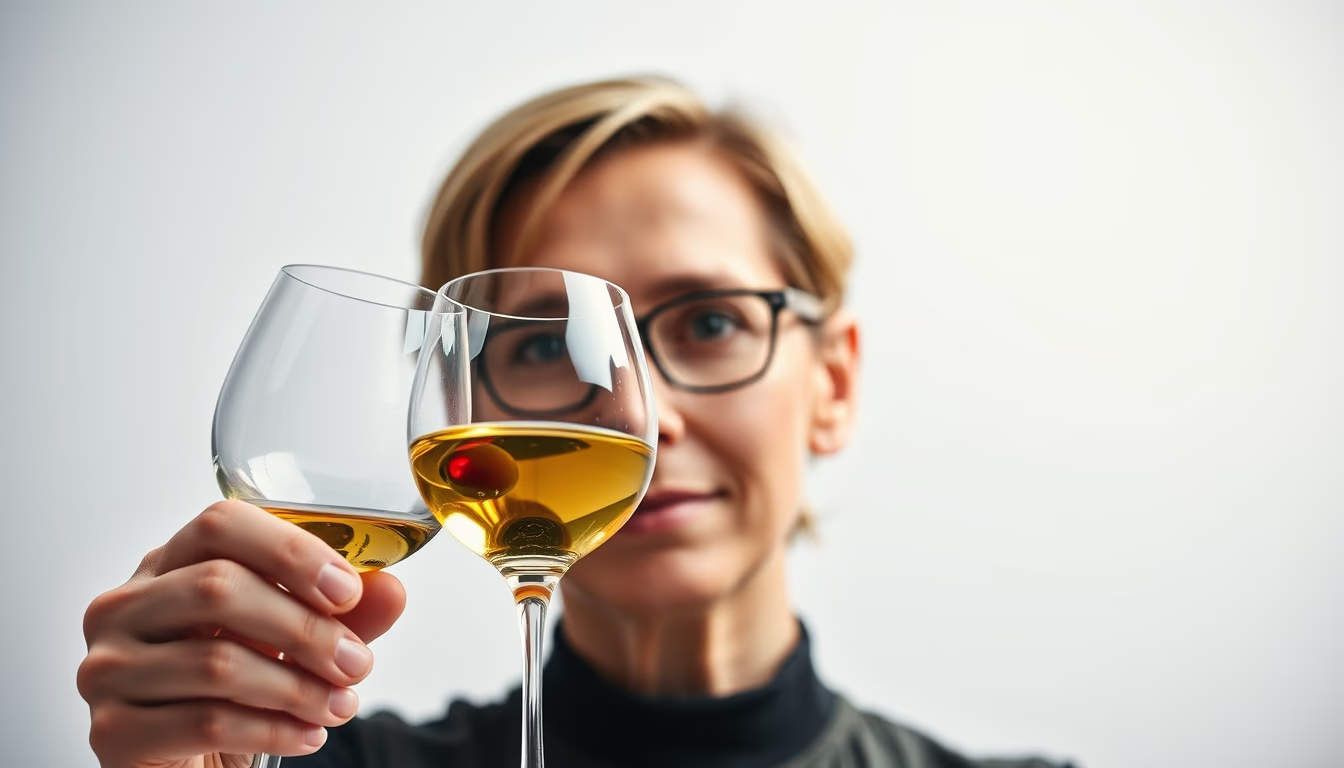
Olive oil tasting glasses have a specific shape to concentrate aromas and enable precise sensory evaluation, being essential in competitions and professional analysis.
About this subject
Olive oil tasting glasses, also known as tasting cups, are designed to optimize the sensory evaluation of olive oil. Unlike regular glasses, their shape is standardized: typically transparent glass with a slightly rounded body and a tapered or covered rim. This design helps retain volatile compounds, allowing the taster to perceive the aroma (olfactory phase) before tasting the liquid. In international competitions such as the International Olive Oil Award, judges use these glasses to evaluate attributes like fruitiness, bitterness, and pungency, following methodologies from the International Olive Council.
The choice of material also matters: clear glass avoids visual interference with the oil's color, which can range from green to gold. The typical capacity is about 30 ml, enough for a sample that the taster gently warms with their hands to release aromas. Some models include a lid to concentrate odors, especially in blind tastings. Beyond professional use, these glasses are adopted in olive oil sommelier courses and specialty stores, where customers sample different varieties.
Interestingly, the design derives from ancient wine-tasting cups but adapted for olive oil, which has higher viscosity and more subtle aroma. The cultural importance is significant in producing countries like Italy, Spain, Greece, and increasingly Brazil (with emerging production in Minas Gerais, Rio Grande do Sul, and Bahia). Olive oil tasting is a practice that values sensory quality and authenticity, combating fraud. Thus, the glasses are technical tools reflecting the rigor of sensory analysis.
Frequently Asked Questions
What is the difference between an olive oil tasting glass and a regular glass?
The tasting glass has a tapered shape or lid to concentrate aromas, while regular glasses disperse volatiles. It is made of clear glass to avoid interfering with visual assessment of the oil's color.
How to properly use an olive oil tasting glass?
Pour about 30 ml of oil, hold the glass with your hand to slightly warm it, swirl to release aromas, then inhale the odor before tasting. In professional tastings, the glass is covered and a sensory analysis protocol is followed.
Where can I buy olive oil tasting glasses?
Specialty stores for wine and oil utensils, gourmet shops, or online platforms like Amazon. They are also sold by olive oil producer associations, such as the International Olive Council's affiliated organizations.
Direct URL
https://pub-c7d6a6ea828543ac903a74a341ccb2e1.r2.dev/imagens/olive-oil-tasting-glasses-long-exposure-p6.avifHow to credit
Include a visible link back to UtilizAí. Copy one of the snippets below:
<a href="https://xn--utiliza-eza.com/en/midia/imagens/olive-oil-tasting-glasses-long-exposure-p6">Olive oil tasting glasses</a> by <a href="https://xn--utiliza-eza.com">UtilizAí</a>, licensed under <a href="https://creativecommons.org/licenses/by/4.0/">CC BY 4.0</a>.
[Olive oil tasting glasses](https://xn--utiliza-eza.com/en/midia/imagens/olive-oil-tasting-glasses-long-exposure-p6) by [UtilizAí](https://xn--utiliza-eza.com), CC BY 4.0
License: CC-BY-4.0